How to
How to add fish to a new tank
The tank is cycled and the fish are in a bag on the counter. The next hour matters, and so does how many of them there are.
Fin & Filter earns a commission when you buy through the links on this page. It costs you nothing and it does not decide what we rank. How we’re funded.
We have not used any of this gear. Every pick below is chosen from published manufacturer specifications and the arithmetic on how we pick, which you can re-run yourself.
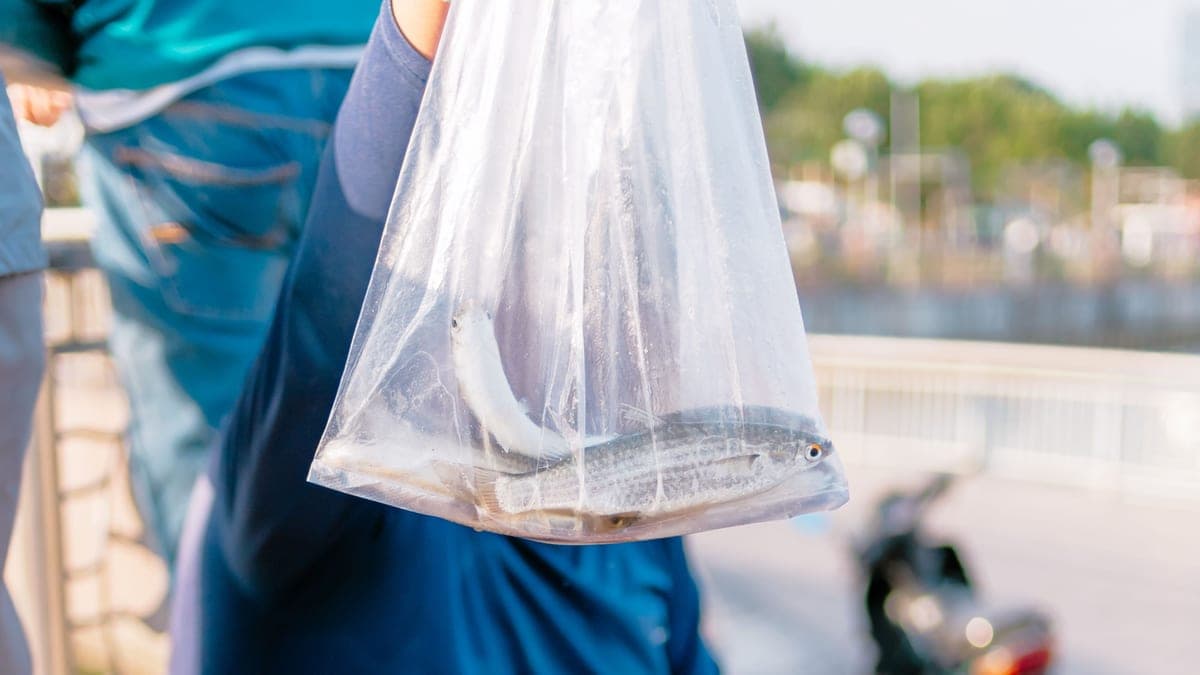
Float the sealed bag for 15 to 20 minutes to match temperature, then add small amounts of tank water to the bag over about half an hour, then net the fish into the tank and discard the bag water. Add only a few fish at a time — even in a cycled tank — and wait two weeks between additions while testing ammonia and nitrite.
Two things are happening here and they are worth separating. Acclimation is about the individual fish surviving the next few hours. Stocking pace is about the tank surviving the next few weeks. Beginners are usually told about the first and not the second.
Before you leave for the shop
- Confirm the tank is cycled. Dose ammonia to 2 ppm and check it reads 0 ppm ammonia and 0 ppm nitrite 24 hours later. Not clear water — that test. See how to cycle a fish tank.
- Do a water change first if nitrate is high from cycling. Fish should arrive into clean water.
- Check the temperature is stable at your target and has been for a day.
- Know exactly what you are buying, including adult size and group requirements. Decide before you are standing in front of the tanks.
- Plan a short journey home. Every extra hour in a bag is ammonia accumulating in a very small volume.
Acclimation, step by step
- Turn the aquarium light off and leave it off for the rest of the day. Bright light on top of a move is more stress than the fish needs.
- Float the sealed bag on the surface for 15 to 20 minutes. This equalizes temperature, which is the parameter fish are least tolerant of changing quickly.
- Open the bag and roll the top down so it floats on its own, or clip it to the rim.
- Add about half a cup of tank water to the bag, then repeat every five minutes for around half an hour. This equalizes pH and hardness gradually — a sudden change in either is a real shock.
- Net the fish out and into the tank. Do not pour the bag in.
- Discard the bag water. It has been accumulating ammonia since the shop and may carry whatever the shop's system carries.
- Leave the light off and do not feed today. Fish will not eat while stressed and uneaten food becomes ammonia.
- Watch, without intervening. Hiding on the first day is normal.
Why a cycled tank can still spike
This surprises people who did everything right, so it is worth explaining properly.
A bacterial colony sizes itself to its food supply. During a fishless cycle you fed it a specific ammonia dose, and it grew to process exactly that much. Add fish producing more ammonia than that dose and the colony is temporarily under-sized. It will catch up — bacterial populations grow — but catching up takes days, and during those days ammonia is measurable.
That is why the advice is a few fish at a time even in a properly cycled tank. Each small addition raises the load by an amount the colony can absorb while it grows.
The stocking schedule
| When | What to add | What to do after |
|---|---|---|
| Week 1 | The first small group — a school of nano fish, or a single betta | Test ammonia and nitrite daily for a week |
| Week 3 | The next small group, if both read zero all week | Test daily again for a week |
| Week 5 | The next group | Same routine |
| Week 7+ | Continue until you reach your planned stocking | Then settle into weekly testing |
If ammonia or nitrite appears at any point, stop adding fish, change water, and wait until both hold at zero for a full week before continuing.
Dosing a bacterial supplement alongside each addition is a reasonable hedge — it is the moment those products are most useful. See do bacteria starters work.
Quick picks
What to have ready before they arrive
| # | Product | Best for | Price |
|---|---|---|---|
| 1 | No image API Freshwater Master Test Kit The only way to know whether the colony kept up with the new load. | The two weeks after every addition | |
| 2 | No image Seachem Stability Tops up the colony at exactly the moment the bioload jumps. | Dosed alongside each new group of fish |
Rows link to the full write-up further down this page. Prices come from the live price layer only; where there is no live figure the button reads “Check price” rather than showing a remembered number.
Quarantine, if you can
The gold standard is a separate small tank where new fish spend two to four weeks before joining the main tank. Most beginners do not have one and we are not going to pretend otherwise, but it is worth knowing what it prevents.
Shop tanks are frequently on shared systems, so a disease in one tank is potentially in all of them. Introducing an infected fish directly puts everything you already own at risk. A quarantine tank is a 10 gallon tank, a heater, and a sponge filter kept running in your main tank so it is instantly cycled.
If you cannot quarantine: buy from shops whose tanks look well kept, avoid any tank containing a dead or visibly sick fish, and watch new arrivals closely for the first fortnight.
The first week
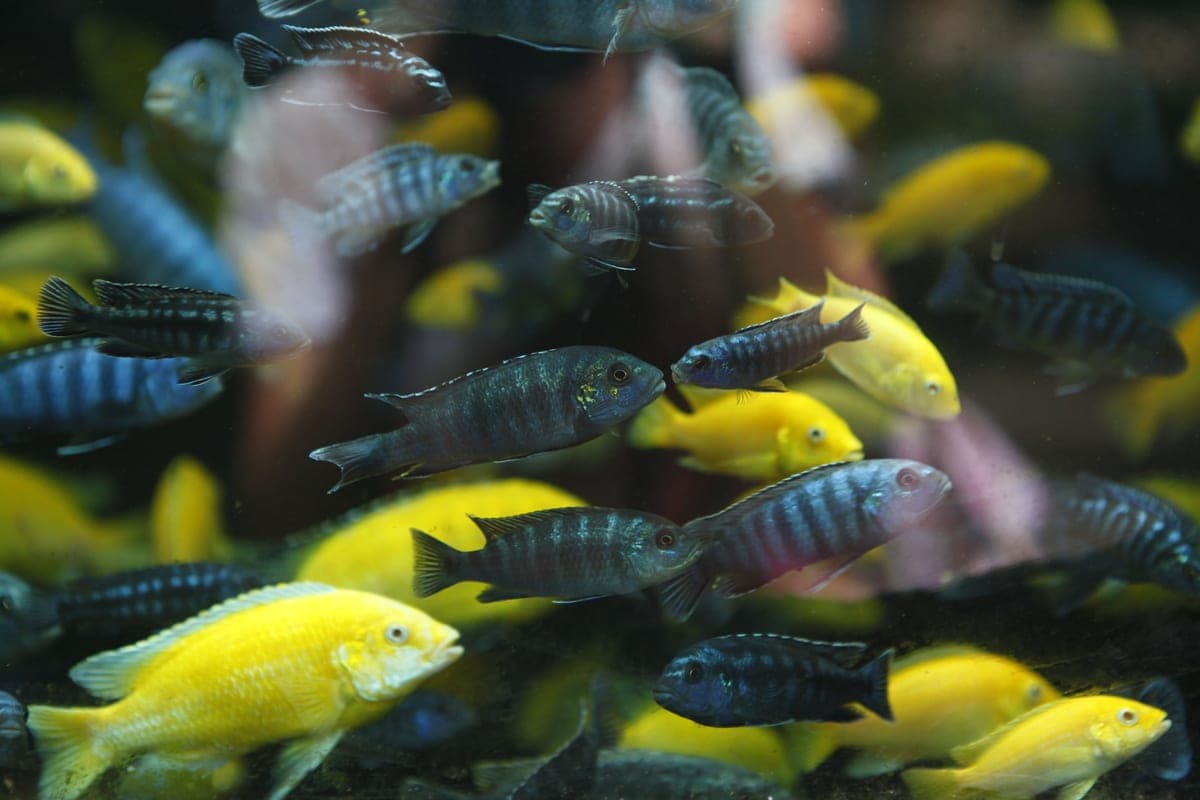
- Do not feed on day one. From day two, feed a very small amount once a day — what they finish in under a minute.
- Test ammonia and nitrite daily. This is the week a problem would show.
- Expect hiding. New fish take days to settle, and shy behavior is not illness.
- Do not add anything else, including another fish, a new decoration or a treatment.
- Watch for clamped fins, gasping or refusal to eat after day three. Those are the signs worth acting on, and the first thing to do is test the water.
If ammonia or nitrite appears, go to how to lower ammonia fast and treat it as a fish-in cycle until it clears.
Questions people actually ask
Frequently asked questions
+ How do you acclimate fish to a new tank?
+ How many fish can I add at once?
+ Why should I not pour the bag water into the tank?
+ How long should I wait between adding fish?
+ Should I feed new fish on the first day?
+ Do I need a quarantine tank?
Where the numbers came from
Sources
Read next
Related on Fin & Filter
How many fish in a 10 gallon tank?
Why the inch-per-gallon rule fails, the three real constraints, and worked stocking combinations.
How to cycle a fish tank
What cycling actually is, the fishless method start to finish, and the exact test result that means it is done.
How to lower ammonia in a fish tank fast
The emergency protocol in order: water change first, conditioner second, stop feeding, and what not to do.