A filter does two jobs, and beginners are usually sold on the wrong one. The obvious job is mechanical: pulling visible muck out of the water so the tank looks clean. The job that keeps fish alive is biological: giving nitrifying bacteria a large, oxygenated surface to colonize, so ammonia is converted before it reaches a concentration that burns gills.
That distinction has a practical consequence. A filter is not something you clean until it is spotless — the brown gunk in the media *is* the bacteria colony. Rinse the sponge in a bucket of old tank water when flow drops, never under the tap, and never replace every piece of media at once.
The correction almost nobody applies
Filters are rated in gallons per hour, and the standard advice is to turn your tank volume over roughly four to six times an hour for a lightly stocked or planted tank, and six to eight times for a typical community tank. So a 10 gallon community tank wants around 60 GPH.
Here is the part the shelf label leaves out: that rating is measured with empty media and no head height. Loaded with sponge, ceramic and carbon, and lifting water back up into the tank, real throughput runs commonly 25 to 40% lower. A filter rated at exactly 60 GPH is therefore under-filtering a 10 gallon community tank from the day you plug it in.
So we divide. Assume roughly a 30% loss, and the minimum figure to shop for is required flow divided by 0.7. For that 10 gallon community tank: 60 divided by 0.7 is about 85, so look for a filter rated around 85 GPH or higher, not 60. Every filter roundup on this site states that computed number for every pick, and the full working is on how we pick.
Hang-on-back or sponge
For a first freshwater tank the realistic choice is between a hang-on-back power filter and an air-driven sponge filter, and it is genuinely a choice rather than a right answer.
- Hang-on-back. More flow, a chemical stage if you want one, tidy — everything hangs behind the tank. Costs more to run because most models take cartridges, and the cartridge holds a large share of your bacteria, so replacing it wholesale sets the cycle back.
- Sponge filter. Cheap, no cartridges ever, and the gentlest option in the tank, which is why it is the default recommendation for bettas and shrimp. Needs an air pump, airline and a check valve that are usually sold separately, has no chemical stage, and sits visibly in the tank.
We work the whole comparison through on sponge filter vs hang-on-back. If you keep a betta, start with do I need a filter for a betta — the answer is yes, but the flow question is the real one.
Flow can be too high, and that is not a joke
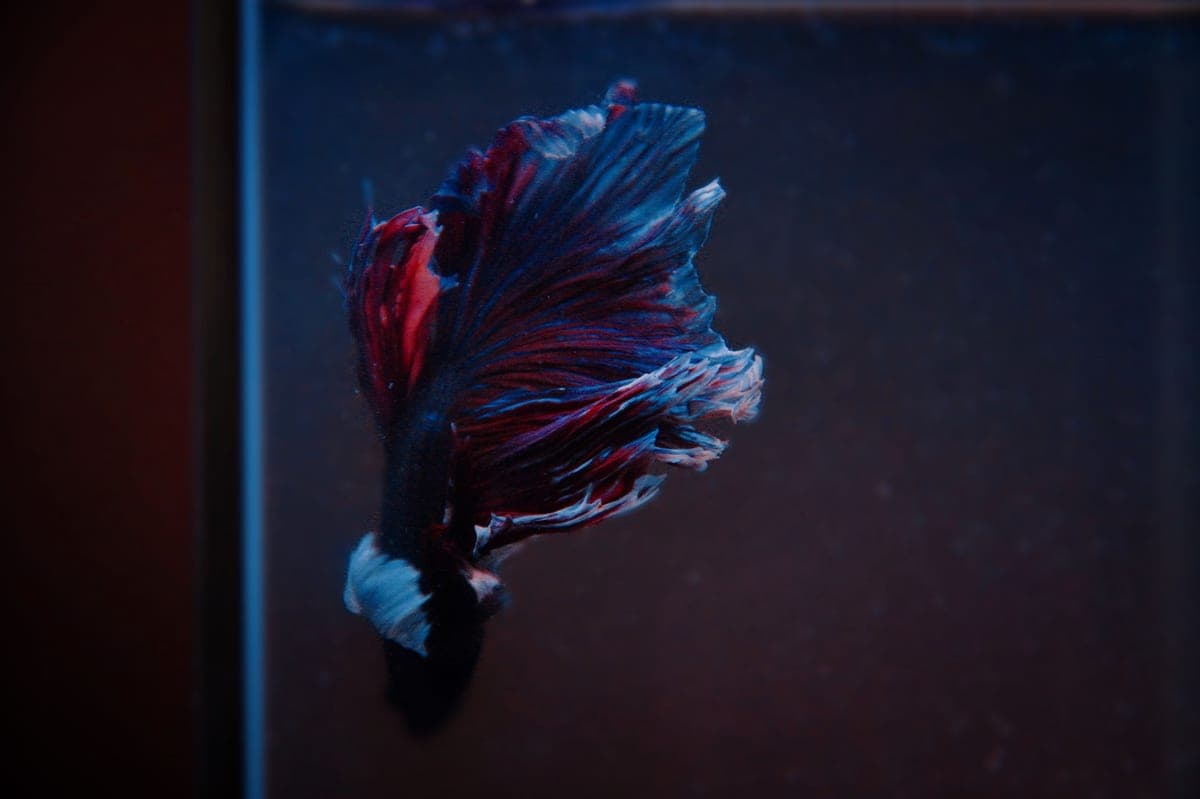
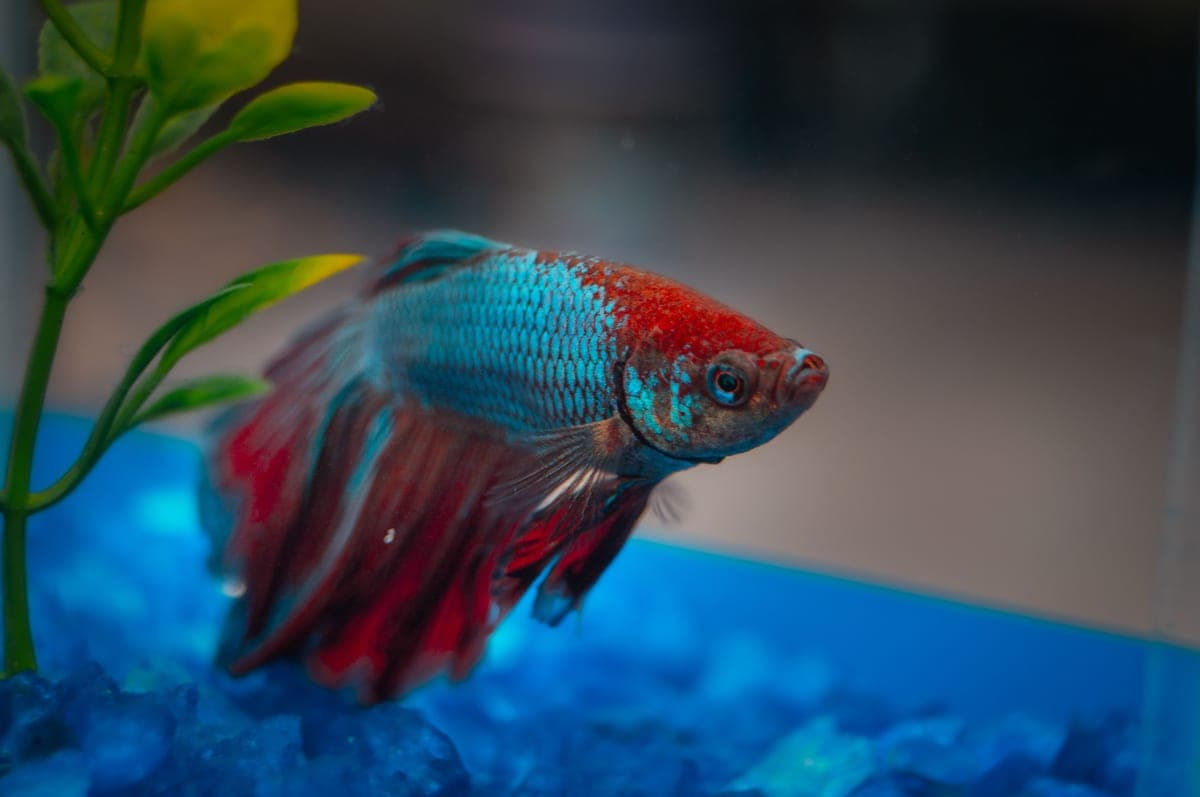
Undersizing is the common error, but oversizing has victims too. A betta has long, heavy fins and is a poor swimmer in current; a filter rated for 30 gallons on a 5 gallon tank will pin it against the glass and exhaust it. Shrimp and fry get pulled into intakes. The fixes are cheap and boring: a flow-control knob if the model has one, a sponge over the intake, or a baffle cut from a plastic bottle over the outflow.
Where to start
If you already know your tank volume, go straight to the size-specific shortlist: best filter for a 10 gallon tank or best filter for a 20 gallon tank. If you want to run the numbers on a size we have not covered, how to size an aquarium filter shows the whole calculation with a worked example.
A new filter, however good, is sterile. It contains no bacteria, so on the day it goes in it converts no ammonia at all. That is what the next hub is for.