If you read one hub on this site, read this one. Everything else is optimization. This is the part that is the difference between fish that live and fish that die in the first fortnight, and it is the part the box the tank came in did not mention.
What is actually happening in the water
Fish excrete ammonia. So does uneaten food, and so does anything that dies in the tank. Ammonia is acutely toxic — it burns gill tissue, and there is no concentration of it that is comfortable for a fish.
In an established tank, two groups of bacteria handle it. The first converts ammonia into nitrite. Nitrite is also toxic — it stops the blood carrying oxygen properly. The second group converts nitrite into nitrate, which is far less toxic and which you remove by changing water. That chain is the nitrogen cycle, and “cycling a tank” means growing those two bacterial colonies until they can keep up with the fish you intend to keep.
The catch is timing. The bacteria are not in the box, not in the filter cartridge, and not in the gravel. They arrive slowly and they multiply slowly, so a new tank takes weeks to develop the capacity a stocked tank needs. Fish added on day one produce ammonia into water with nothing to process it, and the concentration climbs until it poisons them. That is new tank syndrome, and it is the most common cause of a beginner's fish dying.
Do it without fish
A fishless cycle grows the same bacteria using a bottled ammonia source instead of a living animal. It takes a similar amount of time, it is dramatically kinder, and it lets you deliberately overshoot the load so the finished filter has headroom. There is no version of this where the fish-in method is better for the fish. The full procedure is on how to cycle a fish tank and the day-by-day version is on the fishless cycle, step by step.
You cannot do any of this without a test kit
Cycling is invisible. Ammonia is invisible, nitrite is invisible, and the water is clear the entire time. Without a test kit you are not cycling a tank, you are waiting an arbitrary number of days and hoping — and the finish line is not a date, it is a reading.
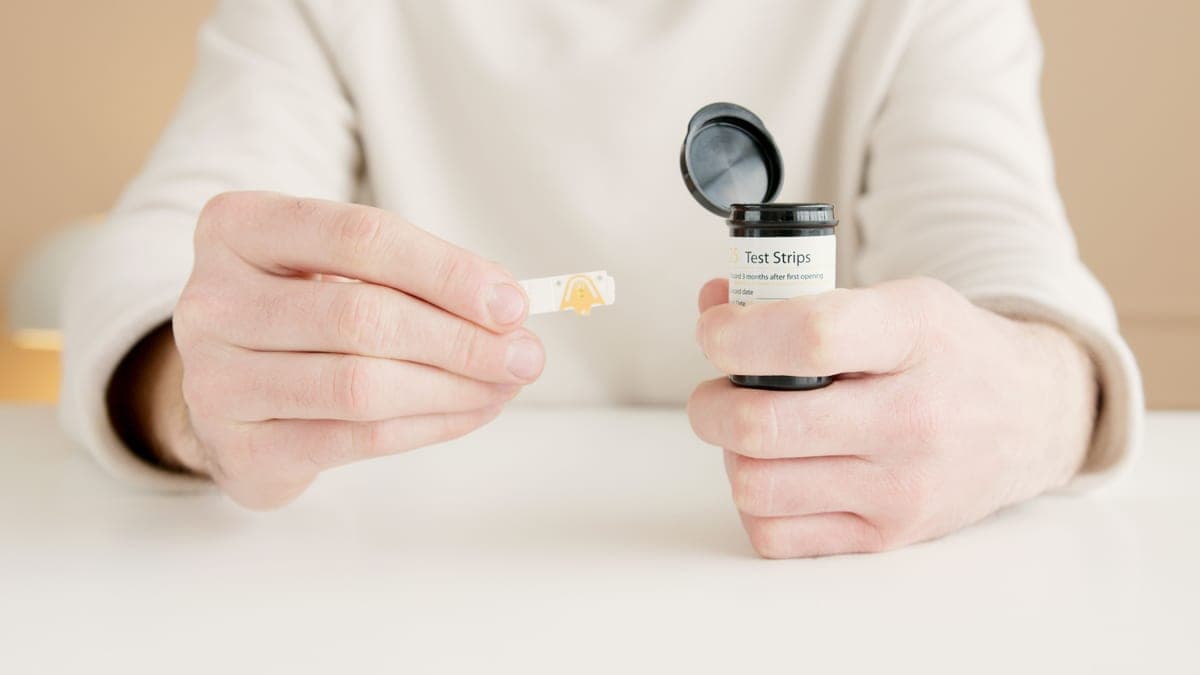
One specific warning worth more than the rest of this page: the most commonly sold multi-parameter test strips do not test ammonia at all. Tetra's EasyStrips 6-in-1 reads nitrate, nitrite, hardness, chlorine, alkalinity and pH — six parameters, ammonia not among them. A beginner buys them to watch a cycle and cannot see the one compound that is killing the fish. We cover the whole strips-versus-liquid question on test strips vs liquid test kits, and the shortlist is on best aquarium test kits.
Bottled bacteria: useful, oversold, not a shortcut past testing
Bottled nitrifying bacteria genuinely can accelerate a cycle. It is a live culture, though, which means a hot warehouse or a freezing delivery van can kill it before it reaches you and there is no way to tell by looking at the bottle. Treat it as a head start that sometimes works, not as a guarantee that lets you skip testing. We compare the main products on bottled bacteria compared.
How you know it is finished
The tank is cycled when you can add a full dose of ammonia and, 24 hours later, read 0 ppm ammonia and 0 ppm nitrite, with nitrate present. Not “it has been four weeks”, not “the water looks clear”. Two zeros within 24 hours, twice in a row. Then you add fish, slowly, which is the next hub.