You have a cycled tank. This is the point where it becomes tempting to buy everything that looks interesting in one trip, and it is the point where the second-most-common beginner failure happens: overstocking a tank whose filter cannot carry the load.
Why one inch per gallon fails
The rule says a 10 gallon tank holds ten inches of fish. It is memorable, it is easy, and it ignores four things that decide the actual answer.
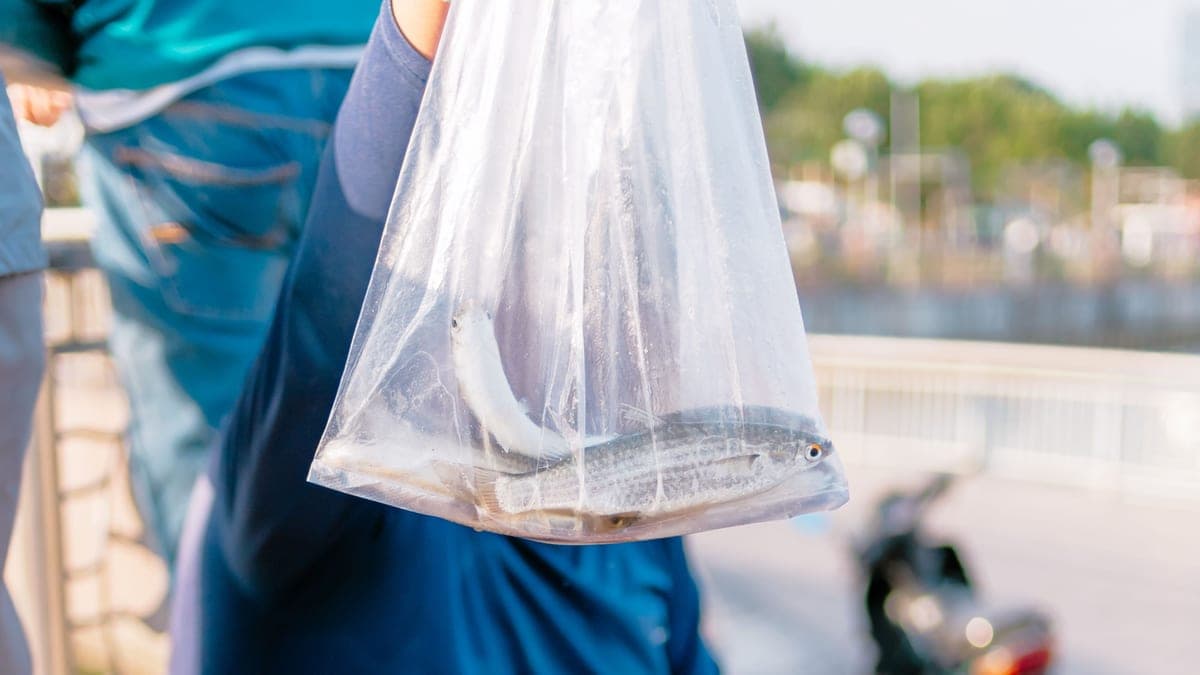
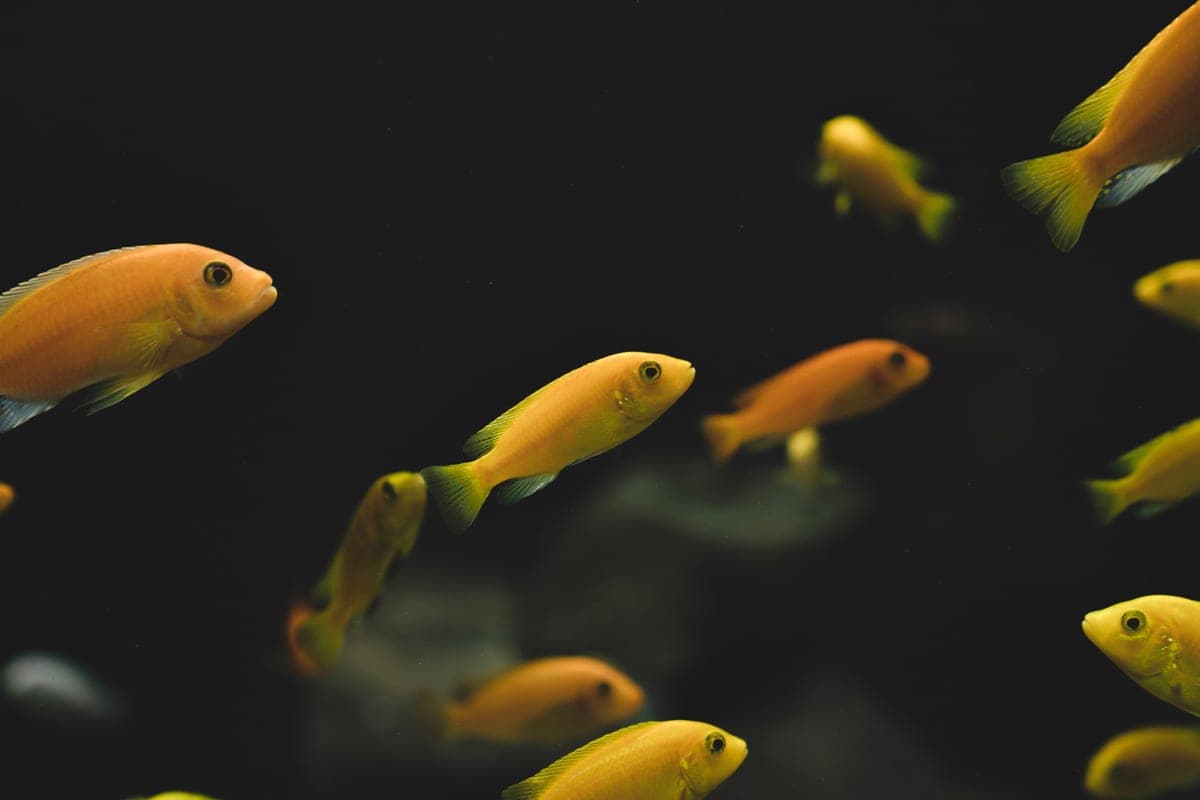
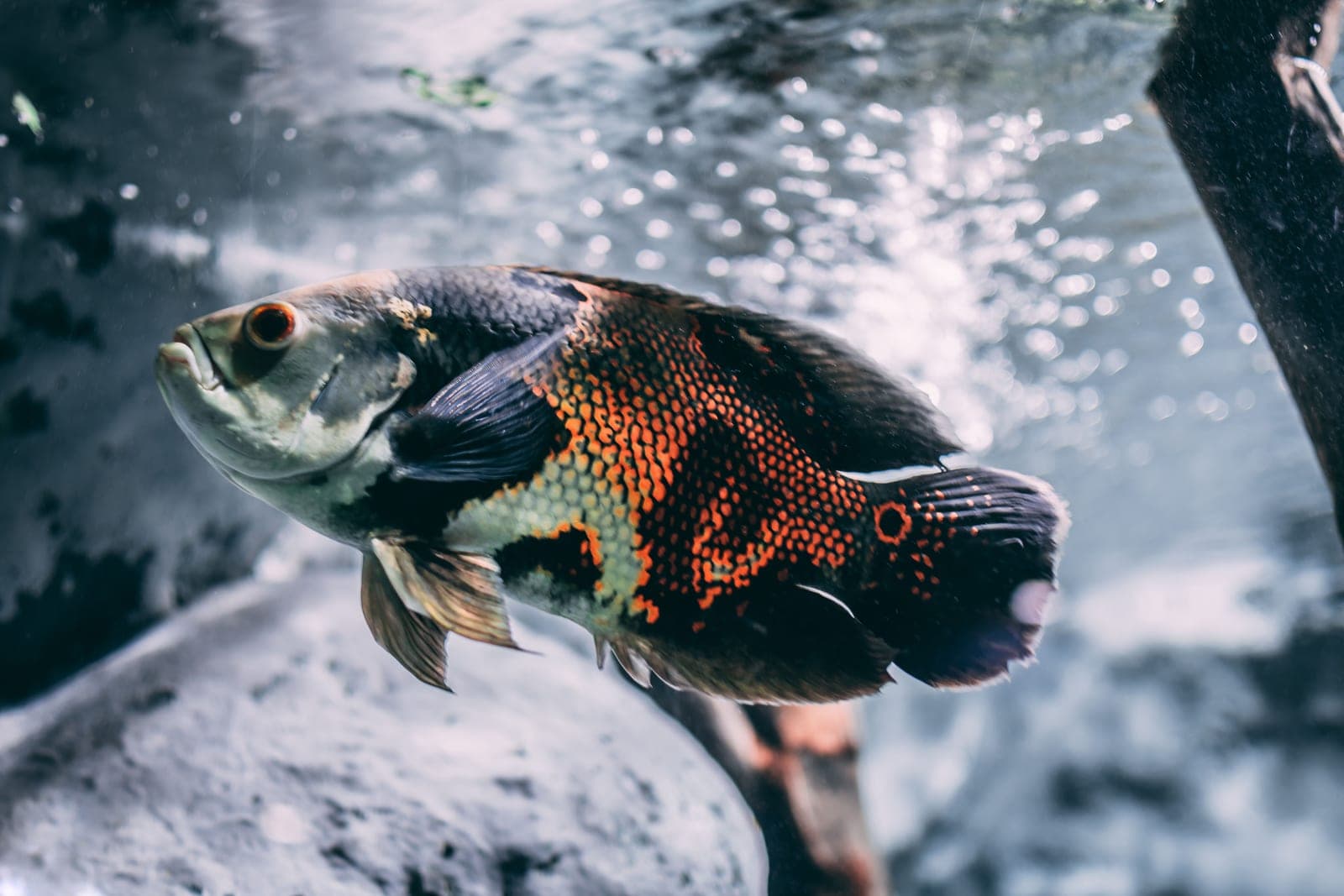
- Adult size, not shop size. The fish in the bag is a juvenile. A common pleco sold at two inches reaches well over a foot. Stocking against purchase-day length guarantees you are wrong within a year.
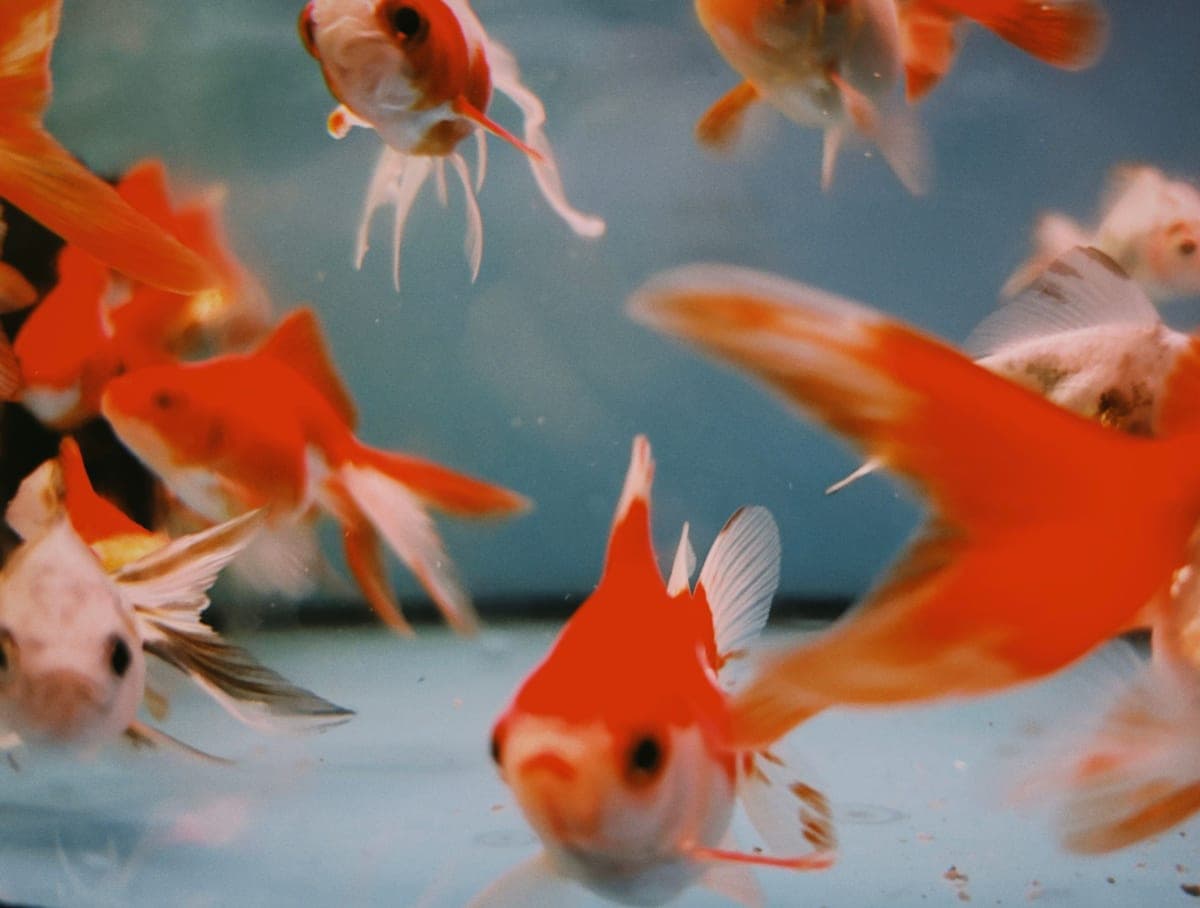
- Body mass, not length. A three-inch goldfish is a thick-bodied animal producing far more waste than three one-inch tetras. Length is a poor proxy for bioload.
- Footprint, not volume. A tall narrow tank and a long shallow tank of the same gallonage are not equivalent. Surface area drives gas exchange, and swimming length matters to active species.
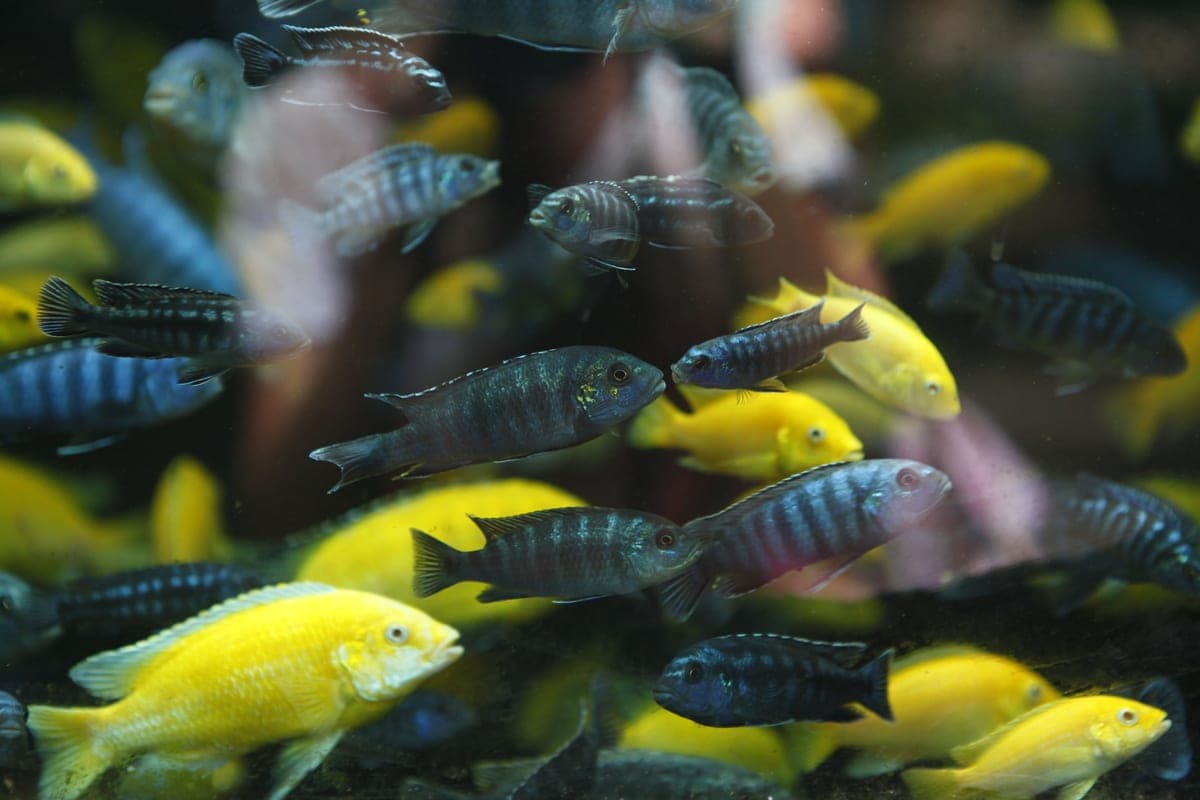
- Schooling minimums. Many popular small fish are shoaling species that are stressed and short-lived kept in twos and threes. “Fits” has to mean “fits a proper group”, which changes the arithmetic entirely.
What we use instead, per species: adult size, bioload, tank footprint and the minimum group the species needs to behave normally. The worked version for the most-asked case is on how many fish in a 10 gallon tank.
Hardy is a real category, and it is where to start
Some fish tolerate the swings a first tank inflicts on them — a temperature drift, a late water change, a slightly imperfect parameter. Others do not, and a beginner who starts with a delicate species learns the hobby by watching things die. Start hardy, and add the interesting ones once the tank has been boring for two months. The shortlist is on the hardiest fish for beginners.
Where the hobby genuinely disagrees
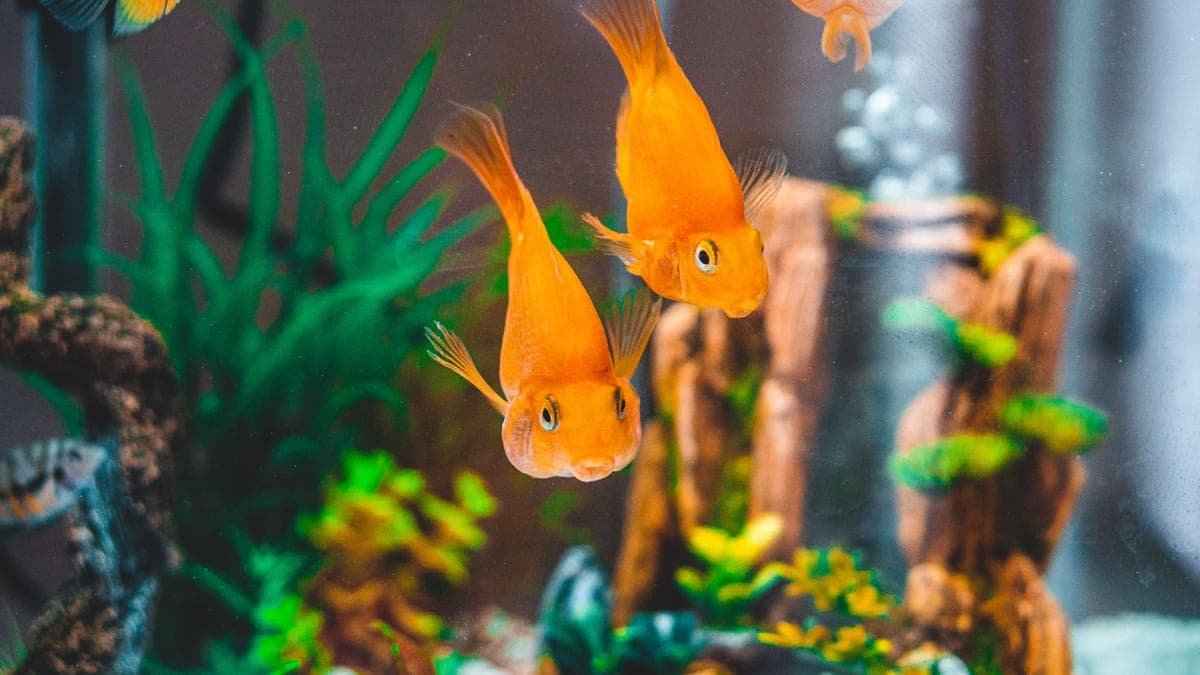
Goldfish minimum tank size is the classic case, and we are not going to invent a consensus that does not exist. Published minimums for a single fancy goldfish range from around 20 gallons to considerably more, common (single-tail) goldfish are a much larger animal again and are widely considered a pond fish, and thoughtful keepers disagree in good faith. What everyone agrees on is that the small bowl on the shop shelf is not it. We publish the range and the reasoning on goldfish tank size rather than picking a number and pretending it is settled.
Add them slowly, and never all at once
A cycled filter carries the load it has been trained for. Doubling the bioload overnight outruns the bacteria you spent weeks growing, and ammonia reappears in a tank that was fine yesterday. Add a small group, wait, test, and add the next group only once the readings have stayed at zero. The procedure, including acclimation, is on how to add fish to a new tank.
A note on what this hub does not sell
No live fish are linked anywhere on this site. Amazon does not sell them, and we would not link them if it did — a fish is not a product you should buy from a page. This hub recommends live plants, nets and acclimation gear, and otherwise sends you to a local shop where you can look at the animal before you commit to it.