Step by step
How to set up a 10 gallon fish tank
Eight steps from box to running tank. The eighth one is the hard one, because it is where you wait instead of buying fish.
Fin & Filter earns a commission when you buy through the links on this page. It costs you nothing and it does not decide what we rank. How we’re funded.
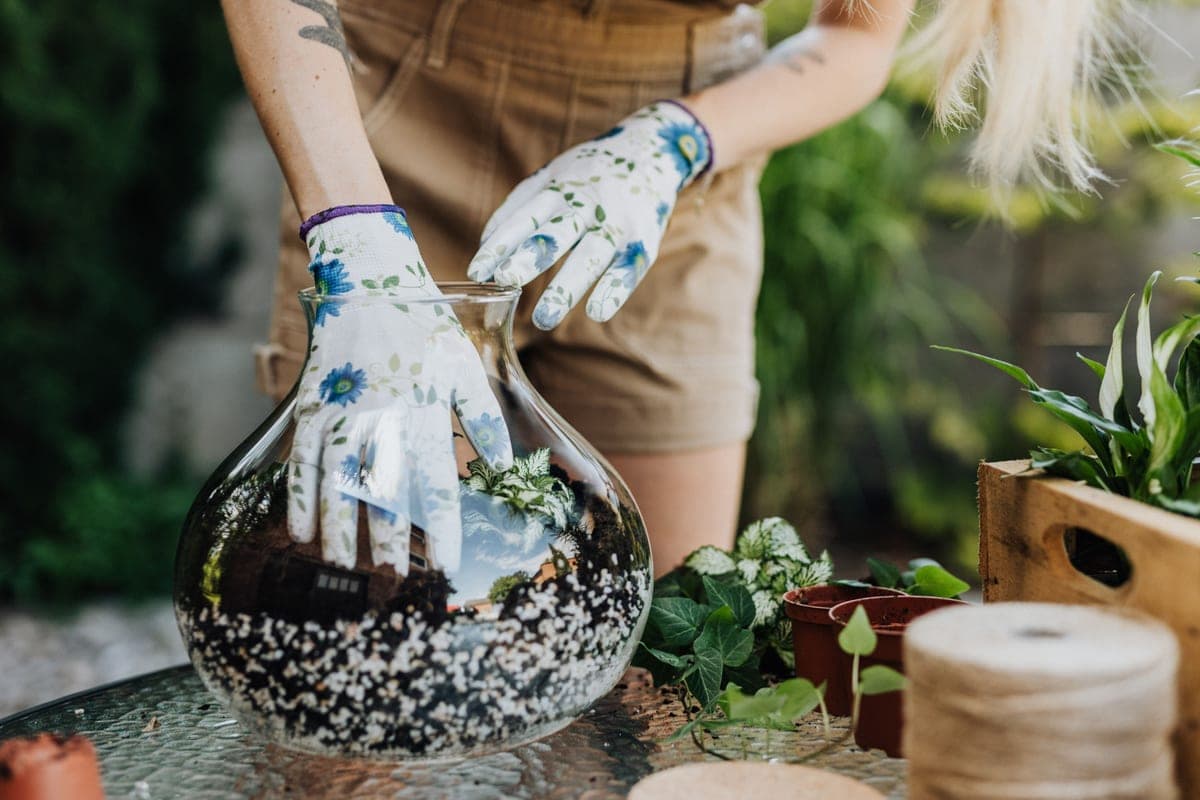
We have not used any of this gear. Every pick below is chosen from published manufacturer specifications and the arithmetic on how we pick, which you can re-run yourself.
Rinse the substrate until the water runs clear, place the tank on a level surface that can carry about 110 lb, add substrate and hardscape, fill with dechlorinated water, fit and start the filter and heater, let the temperature stabilize, then cycle the tank for several weeks before adding any fish.
The whole physical setup takes an afternoon. What takes weeks is the invisible part afterwards, and the most common mistake in this entire process is treating the afternoon as the finish line.
Before you start: check the surface
A filled 10 gallon tank weighs roughly 110 lb, concentrated on a footprint of about 20 by 10 inches. It needs to be level, or the water line will visibly slope and the glass will be stressed unevenly along one seam.
Keep it out of direct sunlight, which drives algae harder than any lighting decision you will make, and away from a radiator or a drafty door, both of which fight the heater. Once it is filled you are not moving it, so get this right first.
The eight steps
- Rinse the substrate. In a bucket, in batches, with plain water and no soap, until the runoff is clear. This takes longer than you expect and skipping it is the single most common cause of a new tank that stays cloudy for days.
- Place the empty tank. Level surface, out of direct sun, near a power outlet, with a few inches of clearance behind it for a hang-on-back filter. Check it is level before anything goes in.
- Add substrate and hardscape. Roughly an inch to an inch and a half of gravel or sand. Add rocks and wood now, while you can reach the bottom without flooding your sleeve.
- Fill with dechlorinated water. Pour onto a plate or your hand so you do not blast a crater in the substrate. Treat the water with a conditioner at the dose printed on the bottle. Chlorine and chloramine kill the bacteria you are about to spend weeks growing.
- Fit the filter and heater. Heater near the filter outflow or intake so water actually moves past it — a heater in a dead corner heats a pocket and switches off early. Both must be fully submerged before you plug them in.
- Start both, and leave them. Give it 24 hours to reach a stable temperature. Confirm it with a thermometer in the water, not with the heater dial, which is a setting rather than a reading.
- Add plants, if you are using them. Java fern and anubias must not be buried; their rhizome rots in substrate. Tie or wedge them onto wood or rock instead. See best aquarium plants for beginners.
- Cycle the tank. Do not buy fish. The filter is sterile and converts no ammonia at all. Go to how to cycle a fish tank and start a fishless cycle.
Setting up a 10 gallon tank for a betta
Same eight steps, two changes. First, flow: a betta has long, heavy fins and is a poor swimmer in current. Either run a sponge filter, or turn a hang-on-back's flow control down and baffle the outflow with a piece cut from a plastic bottle. Second, the lid: bettas jump, so the hood needs to actually cover the tank, including any gap where the filter hangs.
A heater is not optional for a betta in most homes. They are tropical, and a room that drops several degrees overnight puts them through a swing they tolerate badly even if the daytime temperature looks fine. More on the flow question at do I need a filter for a betta.
Quick picks
What to have on the table before you start
| # | Product | Best for | Price |
|---|---|---|---|
| 1 | No image API Freshwater Master Test Kit You cannot run any of the steps after setup without a way to read ammonia. | Buy it before the tank has water in it | |
| 2 | No image Seachem Prime Removes chlorine and chloramine, which kill fish and the bacteria you are about to grow. | The fill water needs treating before it goes in | |
| 3 | No image Various Aquarium thermometer A heater dial is a setting. This is a reading. | The step people skip, and then misdiagnose for weeks |
Rows link to the full write-up further down this page. Prices come from the live price layer only; where there is no live figure the button reads “Check price” rather than showing a remembered number.
Common setup mistakes
| Mistake | What happens | Fix |
|---|---|---|
| Not rinsing substrate | Persistent cloudy water for days, and a hunt for a chemical fix to a rinsing problem | Rinse in batches until runoff is clear |
| Filling from the tap untreated | Chlorine kills the bacteria you are trying to grow | Condition every drop of water that enters the tank, always |
| Plugging in a heater before it is submerged | Thermal shock can crack the glass tube | Submerge, wait, then plug in |
| Heater in a dead corner | Thermostat satisfies early; the far end of the tank stays cold | Place it in the filter's flow path |
| Washing the filter media before first use | Nothing bad — but rinsing it later under the tap kills the colony | Rinse media in old tank water only, from now on |
| Adding fish on day one | New tank syndrome, and this is the one that is fatal | Cycle first. Weeks, not days. |
What you should have running by the end of the afternoon
- A level, filled tank of dechlorinated water, out of direct sun
- A filter rated at roughly 85 GPH or more, running and moving the surface
- A heater sized to your room's lift, submerged, in the flow path
- An in-tank thermometer reading a stable temperature
- A liquid test kit on the shelf next to it, unopened but present
- No fish
That last line is the whole point. Next step: how to cycle a fish tank.
Questions people actually ask
Frequently asked questions
+ How long after setting up a tank can I add fish?
+ Do I need to wash the tank before using it?
+ Should I run the filter before adding fish?
+ How much does it cost to set up a 10 gallon fish tank?
Where the numbers came from
Sources
Read next
Related on Fin & Filter
The fishless cycle, step by step
The full four-week protocol: what to buy, what to dose, what each reading means, and how to finish.
The best 10 gallon aquarium kits
Ten gallons is the classic first tank. Which kit clears the flow arithmetic, and what to add.
Where to place your filter and heater
Put the heater in the flow, the filter across the long axis, and always leave a drip loop. Why each rule exists.