Stocking guide
Easy live plants for a beginner tank
Most beginner plant failures are two mistakes: not enough light, or a buried rhizome. Both are avoidable, and the plants below forgive nearly everything else.
Fin & Filter earns a commission when you buy through the links on this page. It costs you nothing and it does not decide what we rank. How we’re funded.
We have not used any of this gear. Every pick below is chosen from published manufacturer specifications and the arithmetic on how we pick, which you can re-run yourself.
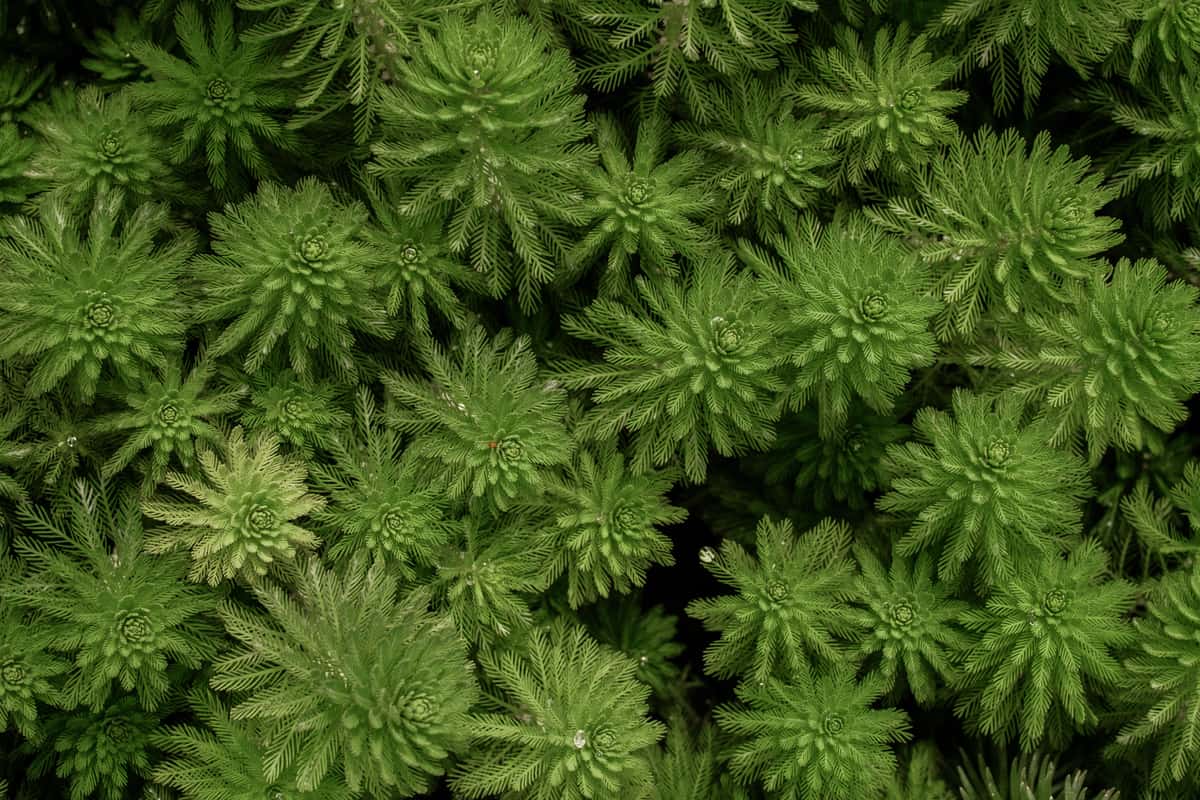
Java fern, anubias and hornwort. All three tolerate the low light a stock aquarium hood produces, need no injected CO2, and are not demanding root feeders. The one technique that matters: java fern and anubias grow from a rhizome that must sit above the substrate, not buried in it.
Live plants make a tank look better and behave better, and they are much easier than the hobby's high-tech corner suggests — provided you pick species matched to the equipment you actually own rather than the equipment in the photographs.
Quick picks
Easy live plants for a beginner tank
| # | Product | Best for | Price |
|---|---|---|---|
| 1 | No image Various Beginner live plants (java fern, anubias, hornwort) Java fern, anubias and hornwort survive conditions that kill most aquarium plants. | A first planted tank, under a stock kit light with no CO2 | |
| 2 | No image Various Liquid aquarium plant fertilizer Supplies trace nutrients a low-tech tank eventually runs out of. Useless if the problem is light. | A planted tank that has stopped growing, not a new one |
Rows link to the full write-up further down this page. Prices come from the live price layer only; where there is no live figure the button reads “Check price” rather than showing a remembered number.
What live plants actually do
- Consume nitrate, which is the end product of your nitrogen cycle and the thing your weekly water change exists to remove. A well-planted tank accumulates it more slowly.
- Take up some ammonia directly, which is a small buffer against a spike — emphatically not a substitute for a filter.
- Compete with algae for the same nutrients and light. A tank with healthy growing plants has fewer algae problems than a bare one.
- Give fish cover. Shy species behave far more naturally with somewhere to hide, and you see more of them, not less.
- Oxygenate during the day through photosynthesis. They consume oxygen at night, which is only a consideration in a heavily planted, heavily stocked tank.
What they do not do
This matters because plants get sold as a filtration shortcut, which is the same category of error as the unfiltered betta bowl.
The two mistakes that kill beginner plants
1. Burying the rhizome
Java fern and anubias are not planted, they are attached. Both grow from a rhizome — a thick horizontal stem that the leaves and roots emerge from — and that rhizome must be exposed to the water.
Bury it and it rots. The plant does not die immediately; it declines over weeks, leaves yellow and turn transparent, and the keeper concludes the plant was difficult. Tie the rhizome to a piece of wood or a rock with cotton thread or a small elastic band, or simply wedge it between two rocks. The roots will attach on their own within a couple of months and you can remove the thread.
2. Not enough light
A stock aquarium hood light is dim by planted-tank standards, and it is dimmer still after a year of use as the LEDs age. Most plants sold in shops want more light than a kit hood provides, which is why the tank that looked beautiful in the shop melts at home.
The three plants above tolerate low light specifically, which is the whole reason to start with them. If you want the more demanding species, upgrade the light before buying the plants rather than after they fail.
Do not compensate with a longer photoperiod. Eight hours is plenty, and running the light for twelve or fourteen hours grows algae far more reliably than it grows plants.
Getting them into the tank
- Inspect and rinse. Look for snails and snail eggs — small jelly blobs on the undersides of leaves — and rinse under lukewarm water. Remove any dead or melting leaves before it goes in.
- Remove the pot and the rock wool if there is any. Rock wool left around roots rots and fouls the water.
- Attach the rhizome plants, do not plant them. Cotton thread onto wood or rock; it rots away by the time the roots have gripped.
- Let hornwort float, or wedge the base loosely. It has no true roots and buried stems rot.
- Plant before the fish if you can. Plants establish faster without anything grazing or digging, and it means the tank is doing something useful during the cycle.
- Expect a melt. Most plants shed some leaves adapting to new water, then push out new growth adapted to it. New growth is the signal, not the state of the old leaves.
Ongoing care, which is very little
- Eight hours of light a day, on a timer. Consistency matters more than duration.
- Remove dying leaves as they appear. A decaying leaf adds to the ammonia load.
- Do not fertilize a new tank, and only fertilize an established one that has actually stopped growing.
- Trim hornwort when it takes over, which it will. It is a fast grower and that is the trade for its usefulness.
- Leave anubias alone. It grows very slowly and interfering with it is the main way people damage it.
Questions people actually ask
Frequently asked questions
+ What are the easiest aquarium plants for beginners?
+ Do live plants need special lighting?
+ Why are my aquarium plants dying?
+ Do live plants replace a filter?
+ Do I need fertilizer for aquarium plants?
+ Will live plants bring snails into my tank?
Where the numbers came from
Sources
Read next
Related on Fin & Filter
The hardiest fish for a first aquarium
Which species tolerate a beginner's mistakes, what each needs, and the popular fish that should not be first.

How often to change aquarium water
The 25%-weekly default, how nitrate sets your real schedule, and the water change mistakes to avoid.
How to cycle a fish tank
What cycling actually is, the fishless method start to finish, and the exact test result that means it is done.