Buying guide
The best aquarium plants for a betta tank
Plants in a betta tank are furniture rather than decoration. The fish rests on them, hides behind them and behaves visibly differently for having them — and the wrong ones shred its fins.
Fin & Filter earns a commission when you buy through the links on this page. It costs you nothing and it does not decide what we rank. How we’re funded.
We have not used any of this gear. Every pick below is chosen from published manufacturer specifications and the arithmetic on how we pick, which you can re-run yourself.
Anubias is the best single plant for a betta tank: thick broad leaves the fish will actually rest on, growing under any stock kit light and attaching to wood or rock so substrate does not matter. Add java fern for height and hornwort floating at the surface for shade. All three are low-light, which means they work under the LED that came with your tank. Avoid hard plastic plants entirely — they tear fins.
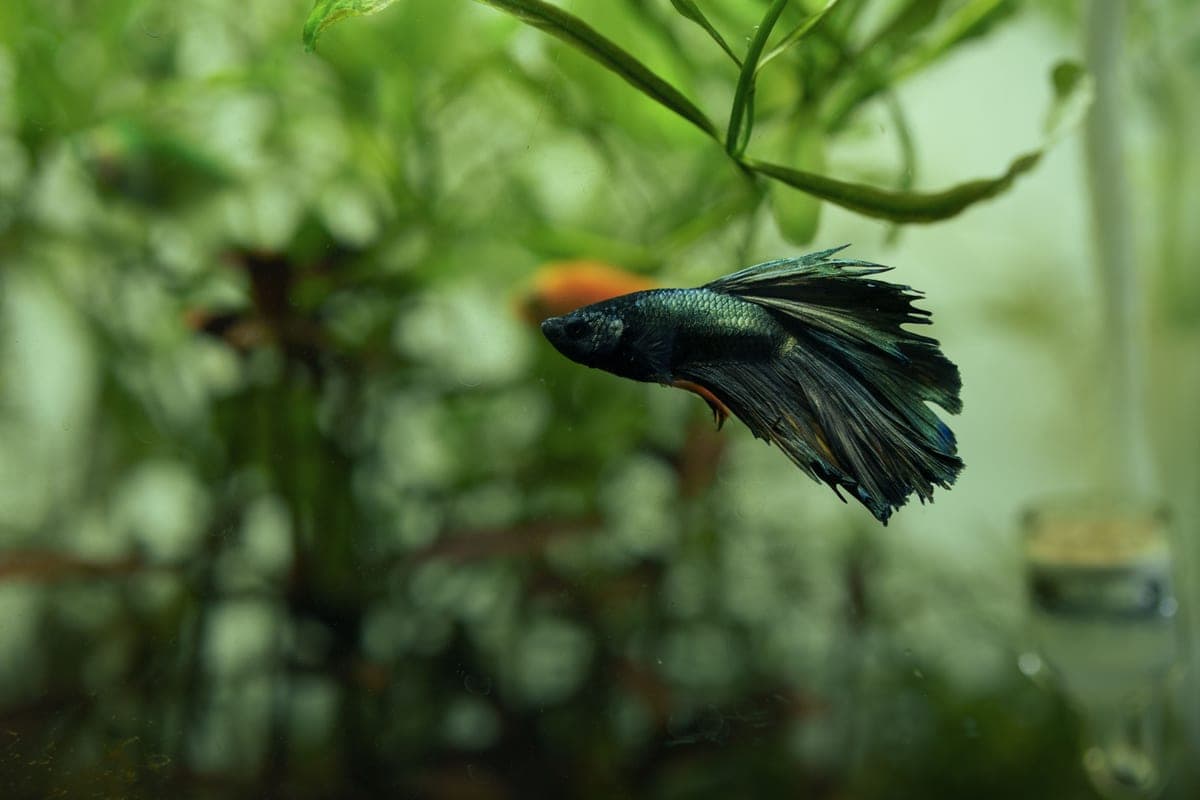
Plants change betta behavior more visibly than almost anything else you can add. A betta in a bare tank patrols and hides; the same fish in a planted tank rests on leaves, sits under floating cover and uses the whole space. That is not decoration, it is enrichment, and it is the reason this page is in the stocking hub rather than the equipment one.
Quick picks
The best aquarium plants for a betta tank
| # | Product | Best for | Price |
|---|---|---|---|
| 1 | 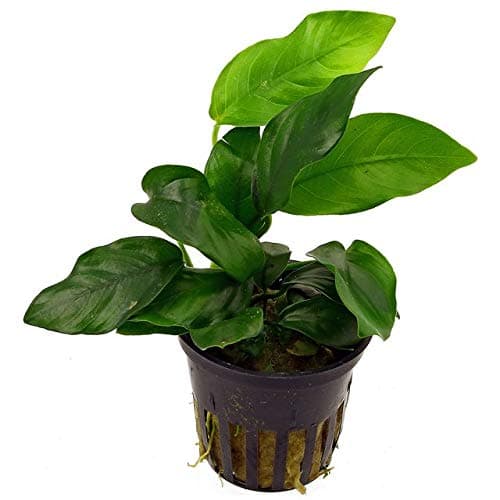 Various Anubias (potted) Thick, rigid, broad leaves that hold a fish's weight, growing under any stock kit light. | The best resting surface in a betta tank | $7.95 on Amazon #ad How we’re funded · price as of September 14, 2026 |
| 2 | 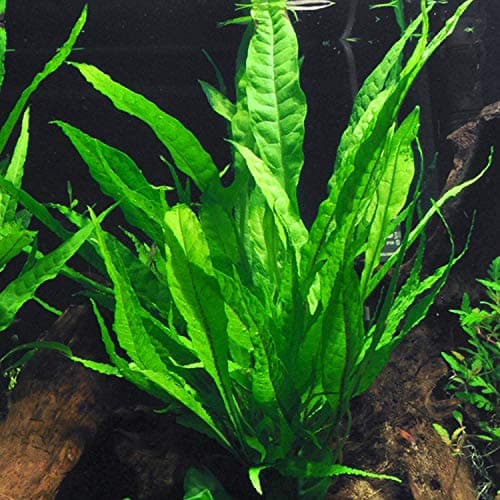 Various Java Fern (Microsorum pteropus), bare root Broad soft leaves that reach toward the surface, and the other plant that grows attached rather than planted. | Height and cover, on the same no-substrate terms | $5.99 on Amazon #ad How we’re funded · price as of September 14, 2026 |
| 3 | 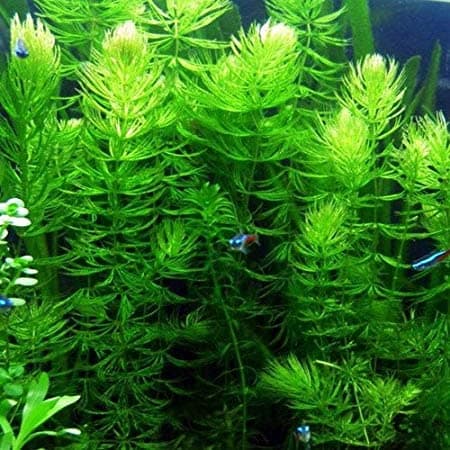 Various Hornwort (Ceratophyllum demersum) Floats, grows fast, and gives a betta shade at the surface on day one rather than in six months. | Instant surface cover with zero planting | $9.97 on Amazon #ad How we’re funded · price as of September 14, 2026 |
| 4 | 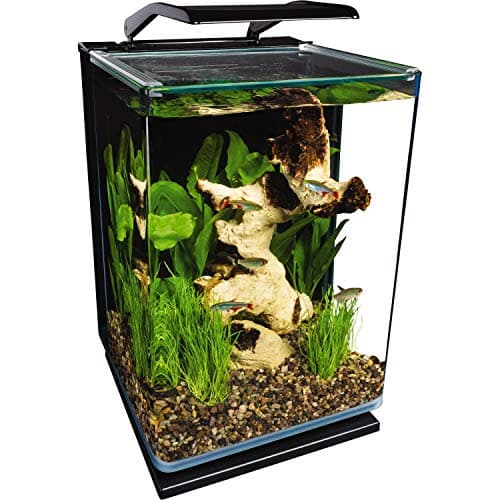 Marineland Portrait Glass LED Aquarium Kit, 5 Gallon An enclosed 5 gallon with a built-in light, which is what makes low-light plants a realistic plan. | The tank the plants are going into | |
| ! | 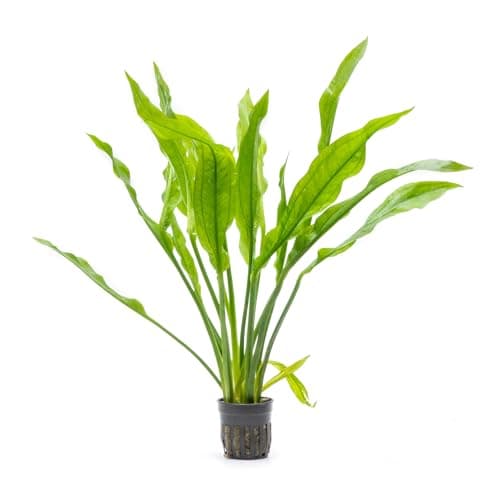 Various Amazon Sword (Echinodorus bleheri) A fine plant in the wrong tank — it is a background plant for a 20 gallon and up, and a root feeder besides. Skip this one — see why below | Not a 5 gallon betta tank | $9.99 on Amazon #ad How we’re funded · price as of September 14, 2026 |
Rows link to the full write-up further down this page. Prices come from the live price layer only; where there is no live figure the button reads “Check price” rather than showing a remembered number.
The three things a betta plant has to be
State the criteria before the picks, because they rule out most of what is sold for betta tanks.
- Soft or broad, never sharp. Bettas have long, delicate fins that snag and tear, and a torn fin is an open door to infection. This single criterion eliminates most hard plastic plants and a lot of spiky live species.
- Low light. The fixture in a betta tank is usually whatever came with the kit. A plant that needs a planted-specific light will melt under it, and a melting plant adds decaying matter to a small volume.
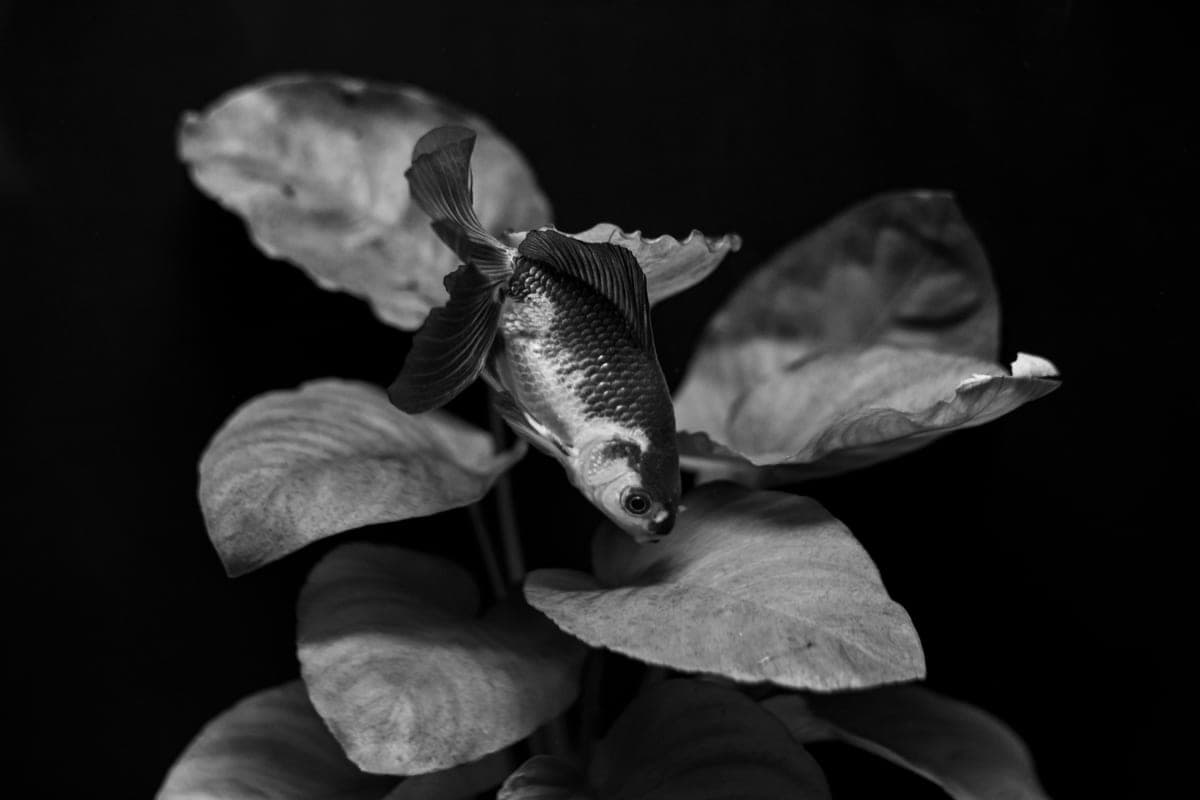
- Something to rest on, near the surface. This is the betta-specific one. The fish rests, so give it a platform — broad rigid leaves at mid height and floating cover above.
How we judged these
Alongside the three criteria above, one practical filter: can a beginner keep it alive in a tank that is also new? Every pick here grows without CO2 injection, without a fertilizer routine and without a specialist substrate, because a betta tank is usually somebody's first tank and the plant should not be the hardest thing in it.
What we did not judge on: growth rates, or comparative fin-safety testing. We have not kept these plants under controlled conditions and nobody has published a citable comparison. The claims above are the listings' own low-light statements plus well-established planting requirements — notably the rhizome rule, which is the single most common way anubias and java fern are killed. The method is on how we pick.
Pick 1
Various Anubias (potted)
The best resting surface in a betta tank
The number
Listed as a low-light aquatic plant. Rhizome-mounted rather than buried, so it needs no substrate and suits a bare-bottom or gravel tank equally.
If a betta tank gets one plant, make it this one. Anubias leaves are thick and rigid enough that a betta will lie directly on them, and that behavior is the whole point — a fish with somewhere to rest near the surface spends more time in the open and less time wedged behind the heater.
It is also close to unkillable by a beginner's standards. It grows in low light, so a stock kit hood is enough. It attaches to wood or rock rather than being planted, so substrate choice is irrelevant. And it is tough enough that a curious betta cannot damage it.
The slow growth is a feature in a small tank. No trimming routine, no sudden shading of everything beneath it, no weekly maintenance task added to the list.
The honest costs. That same slowness makes anubias leaves a favorite surface for spot algae, because they sit still for months — in a bright tank you will be wiping them by hand. Potted plants arrive in rock wool that should be removed before mounting. And the one rule that kills it: never bury the rhizome, the thick horizontal stem the leaves grow from. Buried, it rots, and the plant dies from the middle out.
| Light | Low light. Listed as a low-light aquatic plant |
|---|---|
| Planting | Rhizome tied to wood or rock, never buried |
| Leaf | Thick and rigid, and tough enough that it is rarely eaten |
| Growth | Very slow, which is why it stays tidy without trimming |
| What it does not do | The slow growth cuts both ways: anubias leaves are a favorite surface for spot algae precisely because they sit still for months. In a bright tank you will be wiping leaves. Potted plants arrive in rock wool that should be removed before planting. |
Specs from Potted Anubias live freshwater aquarium plant, low light, Amazon listing. We have not used this unit.
#ad How we’re funded · price as of September 14, 2026
Pick 2
Various Java Fern (Microsorum pteropus), bare root
Height and cover, on the same no-substrate terms
The number
Sold and listed as a low-light plant. Attached to wood or rock; burying the rhizome rots it, which is the usual way beginners kill it.
Java fern does the job anubias does not: it grows tall. In a nano tank that matters, because a betta wants cover between the substrate and the surface rather than only at one level.
The leaves are broader and softer than anubias, which makes them good for draping over and poor as a rigid platform — the two plants complement each other rather than competing. Like anubias it mounts to hardscape rather than being planted, so it works over gravel, sand or a bare bottom.
It is genuinely low-light. A stock LED hood grows it, and it will survive in conditions where more demanding plants melt.
The honest costs. It is slow, and new plants frequently brown off before establishing — this looks like failure and usually is not, so resist pulling it out. Bare-root plants arrive without a pot, so you need thread, glue or a crevice to hold them. And the same rhizome rule applies: never bury it.
| Light | Low light. Sold and listed as a low-light plant |
|---|---|
| Planting | Attached to wood or rock, never buried. Burying the rhizome in substrate rots it, which is the usual way beginners kill it |
| Substrate | None needed, so it suits a bare-bottom or gravel tank equally |
| Leaf | Broad and soft, which is what makes it a resting surface for a betta |
| What it does not do | Slow. It grows at a pace that tests patience, and a new plant often browns off before it establishes, which looks like failure and usually is not. Bare-root plants arrive without a pot, so you need a way to attach them. |
Specs from Java Fern Bare Root, Microsorum pteropus, low light, Amazon listing. We have not used this unit.
#ad How we’re funded · price as of September 14, 2026
Pick 3
Various Hornwort (Ceratophyllum demersum)
Instant surface cover with zero planting
The number
Undemanding on light and requires no planting at all. Fast growth is what makes it useful against algae — it competes for the same nutrients.
The fast-growing counterweight to the two slow plants above, and the one that solves a specific betta problem immediately: surface cover.
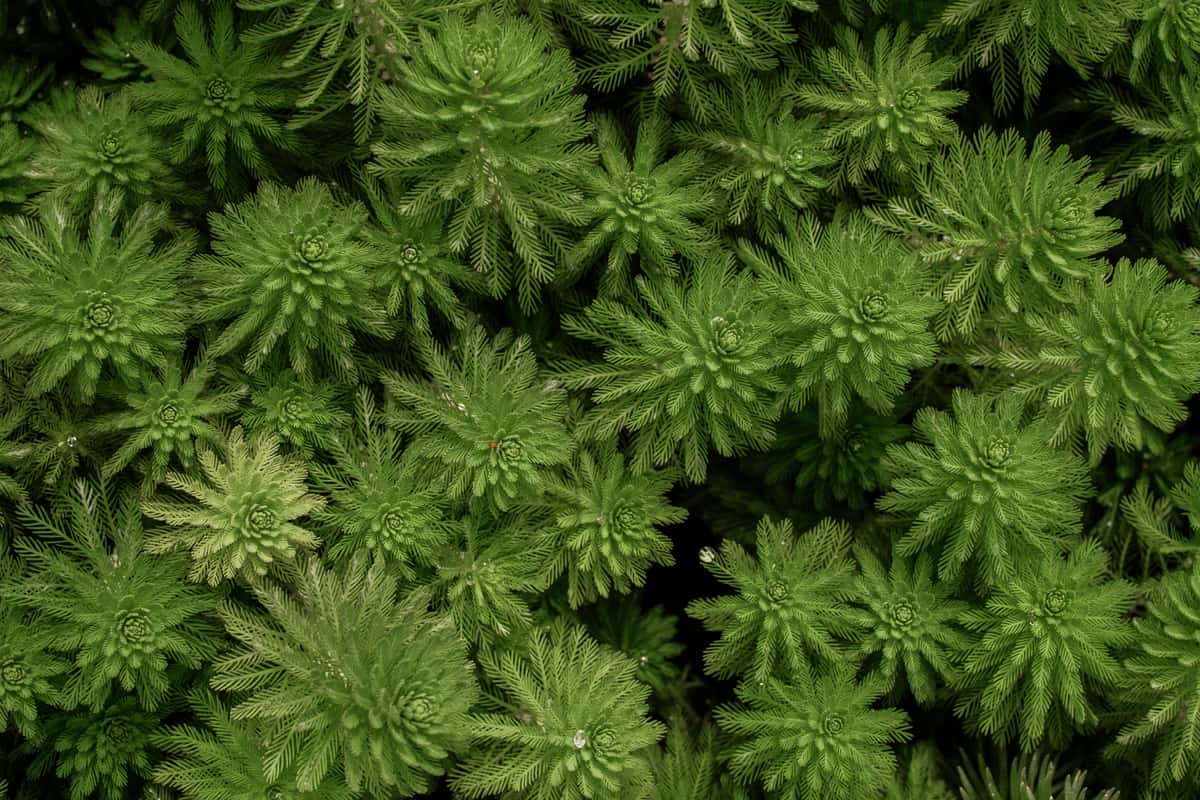
Bettas are surface-oriented fish that dislike being fully exposed from above, and floating plants give them a shaded canopy to sit under. Hornwort needs no planting, no substrate and no attachment — you drop it in and it floats. That makes it the only plant here that works the day it arrives.
It also earns its place on water quality. Fast growth means real nutrient uptake, so hornwort competes directly with algae for the nitrate and phosphate in the water, which is why heavily planted tanks tend to have clearer water than bare ones.
The honest costs, and they are real. It sheds. Hornwort drops needles, especially after a move or a parameter change, and those needles end up in the filter and the substrate. It grows fast enough to shade everything beneath it, so it needs thinning rather than admiring. And in a 5 gallon tank it can take over the surface within weeks.
| Light | Undemanding. Grows in low light and faster in bright light |
|---|---|
| Planting | None required. It floats, which is why it needs no substrate at all |
| Growth rate | Fast, which is what makes it useful against algae — it competes for the same nutrients |
| What it does not do | It sheds. Hornwort drops needles, especially after a move or a parameter change, and those needles end up in the filter and the substrate. It also grows fast enough to shade everything beneath it, so it needs thinning rather than admiring. |
Specs from Hornwort Ceratophyllum live aquarium plant, Amazon listing. We have not used this unit.
#ad How we’re funded · price as of September 14, 2026
Pick 4
Marineland Portrait Glass LED Aquarium Kit, 5 Gallon
The tank the plants are going into
The number
5 gallons with a built-in LED. Every plant on this page is chosen to grow under a stock kit light rather than a planted-specific fixture.
Worth an entry because the plant list on this page is written around a specific constraint: the light that came with the tank.
A stock kit LED is modest, and that is precisely why anubias, java fern and hornwort are the picks — all three grow under it. Choosing plants that need a planted-specific fixture, and then buying that fixture, is how a betta tank turns into a much larger project than intended.
The enclosed canopy matters for the fish too. Bettas jump, and a lid is the cheapest insurance in this hobby.
The honest costs. No heater, which a betta needs. No test kit, substrate or dechlorinator. The tall portrait footprint gives less surface area per gallon than a long tank, which is a real compromise on gas exchange even though a betta breathes at the surface anyway. Cartridge-based filtration carries a recurring cost.
| Volume | 5 gallons |
|---|---|
| Construction | Curved glass with a vertical portrait footprint |
| Filtration | Hidden three-stage filtration built into the rear column |
| Lighting | Built-in LED |
| What it does not do | No heater, which a betta in this tank will need. No test kit, no substrate, no dechlorinator. The tall portrait shape gives less water surface per gallon than a conventional footprint, which is the opposite of what a small tank wants for gas exchange. Cartridge-based filtration, so it carries a recurring cost. |
Specs from Marineland Portrait Glass LED Aquarium Kit 5 Gallons, Amazon listing. We have not used this unit.
Skip this
Various Amazon Sword (Echinodorus bleheri)
Not a 5 gallon betta tank
The skip entry, and it is here because it is the plant most often bought for a betta tank by mistake. It looks exactly right in the shop: broad leaves, lush, green, obviously a plant a fish could hide in.
Two problems. First, size. An Amazon sword is a background plant that gets tall and wide, and in a 5 gallon tank it fills the entire aquarium within months, leaving the betta less swimming space rather than more. This is a plant for a 20 gallon and up.
Second, feeding. Unlike anubias and java fern, it is a true root feeder that wants a nutrient-bearing substrate or root tabs. Planted into the plain inert gravel most beginner tanks run, it survives rather than thrives, slowly shedding leaves — which then decay and add to the bioload in the smallest tank you could have put it in.
None of that makes it a bad plant. In a 20 gallon with a decent substrate it is a genuinely good centerpiece. In a 5 gallon betta tank on bare gravel it is the wrong plant in the wrong conditions, and the failure is slow enough that most people blame themselves rather than the match.
| Light | Tolerates moderate light; grows faster with more |
|---|---|
| Planting | A true root feeder — planted into substrate, unlike java fern and anubias |
| Size | A background plant. It gets tall, which is the point of it |
| What it does not do | It is the one plant here that genuinely wants a nutrient-bearing substrate or root tabs, so in plain inert gravel it will survive rather than thrive. It also outgrows a nano tank quickly — this is a plant for a 20 gallon and up, not a 5. |
Specs from Amazon Sword Echinodorus bleheri live plant for freshwater aquariums, Amazon listing. We have not used this unit.
Planting them without killing them
- Never bury the rhizome. Anubias and java fern grow from a thick horizontal stem. Buried in substrate it rots, and the plant dies from the middle. Tie or glue it to wood or rock instead.
- Remove the rock wool. Potted plants arrive with their roots packed in it; it should come off before planting or mounting.
- Expect melt. New plants frequently shed their first set of leaves as they adjust to your water. That is normal, not failure — leave them alone and wait.
- Thin the floaters. Hornwort will cover the whole surface if you let it, and a betta needs some open water to reach the air.
- Remove decaying leaves promptly. In a 5 gallon tank, rotting plant matter is a measurable ammonia source.
- Do not add fertilizer on day one. Dosing nutrients into a tank where nothing is growing yet feeds algae rather than plants.
If the tank is not set up yet, the complete equipment list is on the best betta tank setup, and the filtration question — which is the other betta-specific constraint — is on best filter for a betta. For plants beyond the betta case, easy live plants for beginners covers the wider list and the best low-light aquarium plants covers what grows under a weak fixture.
Questions people actually ask
Frequently asked questions
+ What plants are best for a betta tank?
+ Do bettas like live plants?
+ Are plastic plants bad for bettas?
+ Do betta tank plants need a special light?
+ Why is my anubias rotting?
+ Can I put an Amazon sword in a 5 gallon betta tank?
Where the numbers came from
Sources
Read next
Related on Fin & Filter
The best betta tank setup
The complete betta equipment list: tank, heat, gentle filtration, plants and food — and why the bowl on the shelf fails.
Easy live plants for a beginner tank
Java fern, anubias and hornwort — why these three, how to plant them correctly, and what they will not do.

The best low-light aquarium plants
What actually grows under a stock kit LED with no CO2, and the easy-looking plant that needs more light than you have.