Buying guide
The best betta tank setup
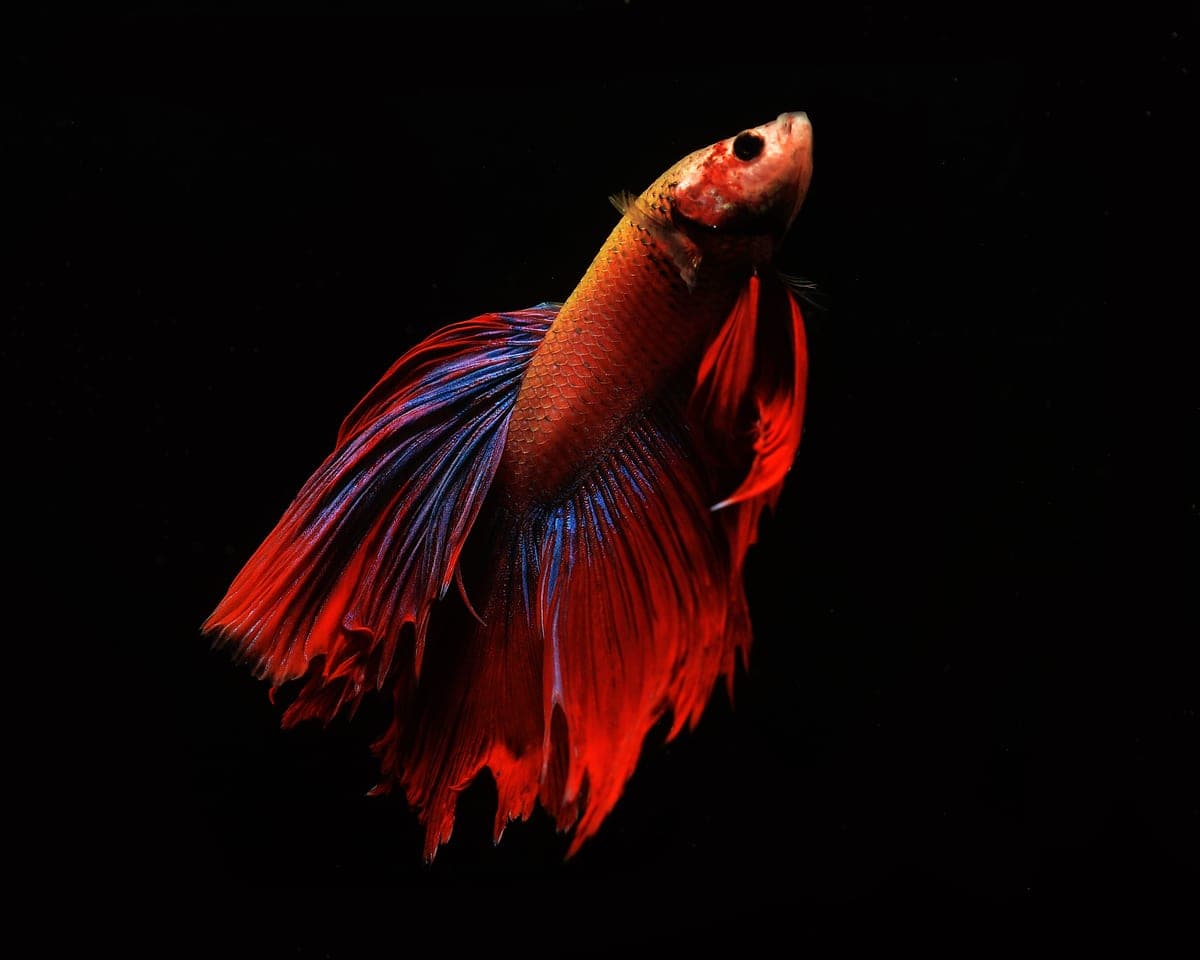
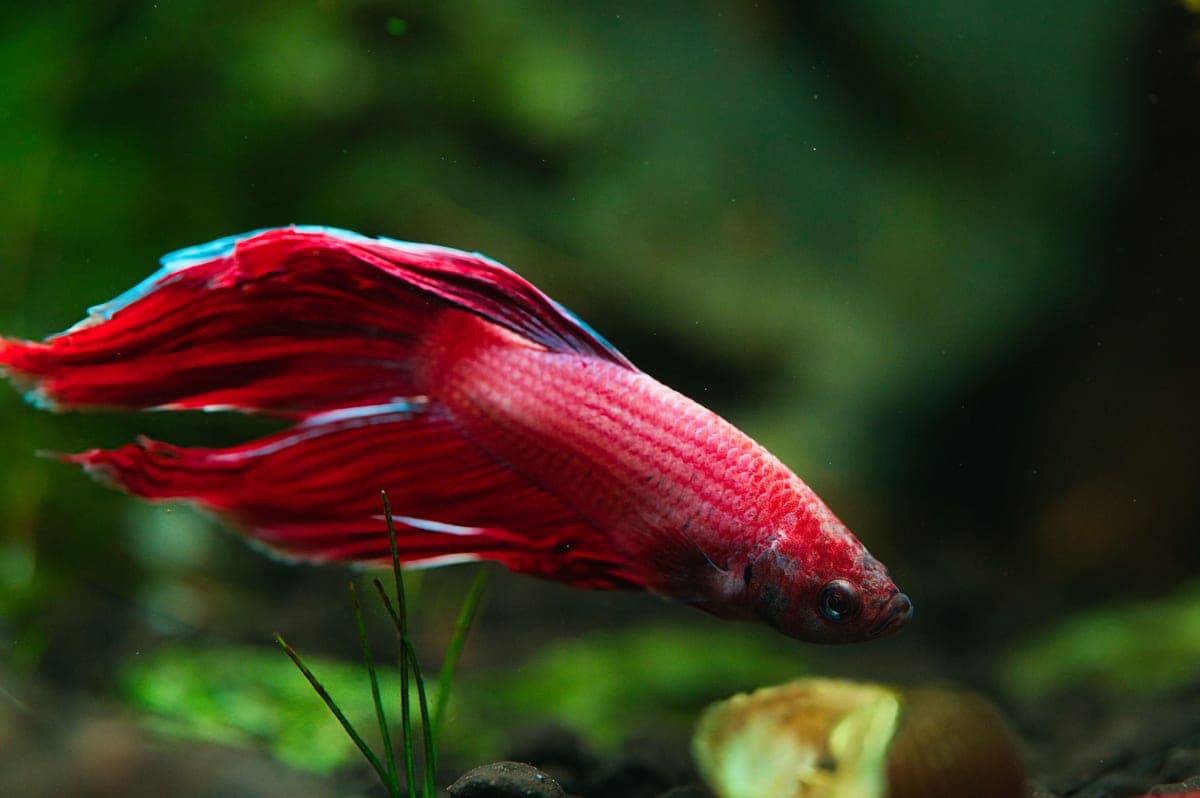
Bettas are sold as the fish that needs nothing. They are tropical fish that need heat, filtration and cycled water like any other, plus one thing most fish do not: gentle current.
Fin & Filter earns a commission when you buy through the links on this page. It costs you nothing and it does not decide what we rank. How we’re funded.
We have not used any of this gear. Every pick below is chosen from published manufacturer specifications and the arithmetic on how we pick, which you can re-run yourself.
A betta needs a heated, filtered, cycled tank of at least 5 gallons with gentle flow, a lid, and somewhere to rest near the surface. The complete list is: the tank and lid, an adjustable heater, a sponge filter with an air pump and check valve, substrate, a liquid test kit, dechlorinator, a broad-leaved low-light plant, and a small carnivorous pellet food. The bowl sold next to the fish is missing every one of those.
Bettas are the most mis-sold fish in the hobby. They are displayed in cups, sold alongside unheated bowls, and marketed as the fish you can keep on a desk with no equipment. They are tropical fish from warm, still, vegetated water, and they need the same things any tropical fish needs plus one requirement most do not have: low current.
Quick picks
The best betta tank setup
| # | Product | Best for | Price |
|---|---|---|---|
| 1 | 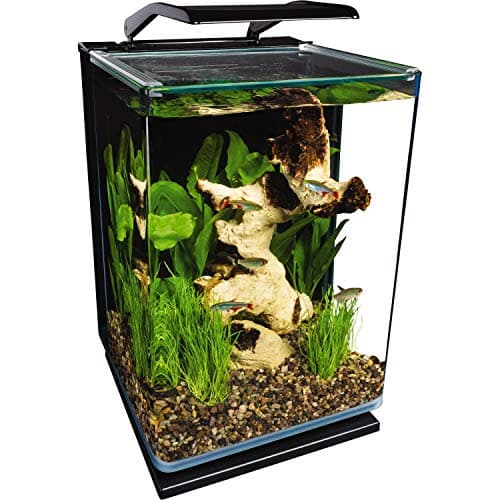 Marineland Portrait Glass LED Aquarium Kit, 5 Gallon Five gallons with an enclosed top, which covers the two things a betta tank needs most: volume and a lid. | The tank itself | |
| 2 | 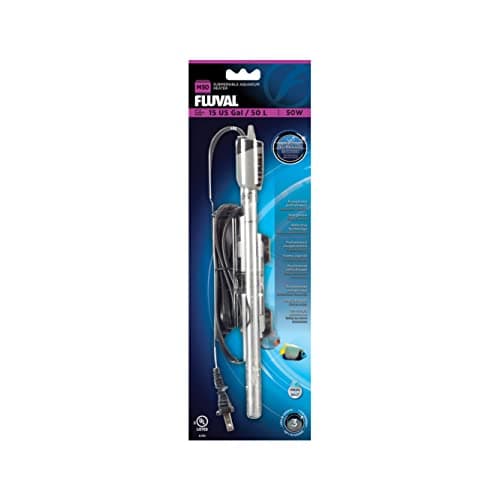 Fluval M50 Submersible Heater (50W) Bettas are tropical fish. An unheated room-temperature tank is the most common thing done wrong to them. | The single most-skipped item on a betta tank | $32.99 on Amazon #ad How we’re funded · price as of September 14, 2026 |
| 3 | 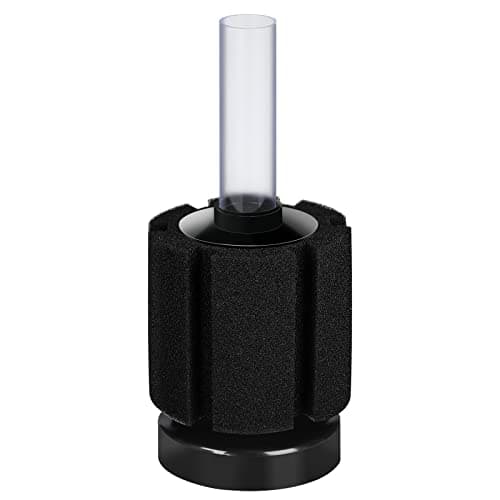 AQUANEAT Bio Sponge Filter (nano, up to 10 gallons) The gentlest biological filtration available, which is the specific requirement this fish adds. | Filtration a betta will not have to fight | $5.98 on Amazon #ad How we’re funded · price as of September 14, 2026 |
| 4 | 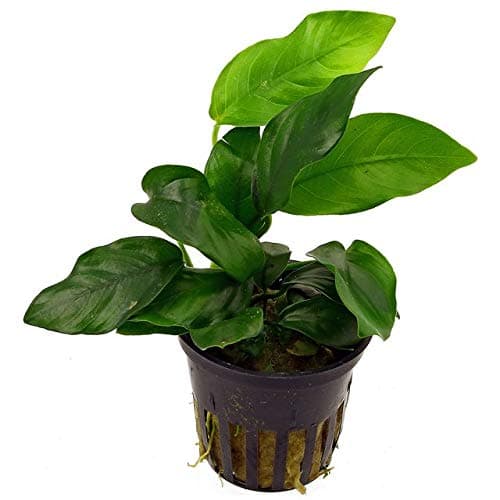 Various Anubias (potted) Broad, rigid, low-light leaves near the surface, which is what a betta actually uses. | Somewhere for the fish to rest | $7.95 on Amazon #ad How we’re funded · price as of September 14, 2026 |
| 5 | 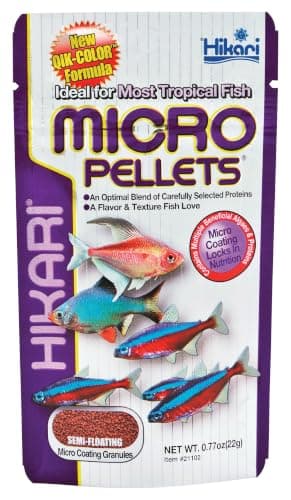 Hikari Tropical Micro Pellets A slow-sinking micro pellet sized for small mouths, which is the specific problem with feeding a betta flakes. | Feeding a small carnivorous mouth correctly | $5.90 on Amazon #ad How we’re funded · price as of September 14, 2026 |
| ! | 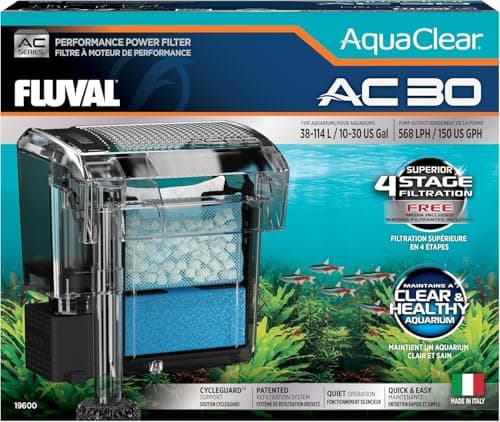 Fluval AquaClear 30 Power Filter An excellent filter, rated 150 GPH for 10 to 30 gallons, and far too much current for this fish. Skip this one — see why below | Nothing in a betta tank | $49.99 on Amazon #ad How we’re funded · price as of September 14, 2026 |
Rows link to the full write-up further down this page. Prices come from the live price layer only; where there is no live figure the button reads “Check price” rather than showing a remembered number.
What the shop version gets wrong
Worth listing plainly, because almost every new betta keeper has been sold at least two of these.
| The shop version | What actually happens | What to do instead |
|---|---|---|
| A bowl, no filter | No bacteria colony, so ammonia accumulates from day one. This is the single most common way a betta dies. | A cycled 5 gallon tank with a sponge filter |
| No heater — "they're hardy" | Held at room temperature a betta is sluggish, off its food and immune-suppressed. | An adjustable heater, checked with a thermometer |
| A strong hang-on-back filter | The fish is pinned against the glass or hides permanently in a dead corner. | A sponge filter, or a baffled and turned-down HOB |
| Fish added the same day as the tank | New tank syndrome. Invisible ammonia in clear water. | Cycle the tank first — weeks, not days |
| Plastic plants with hard edges | Torn fins, which then invite infection. | Live or silk plants with soft or broad leaves |
| No lid | Bettas jump. It is a genuinely common loss. | A kit with an enclosed canopy |
None of this is exotic care. It is the same list as any tropical tank, plus a lid and gentle flow.
How we judged this list
- Does it serve the fish's actual requirements? Heat, stable cycled water, and gentle flow. Anything that fails one of those is off the list regardless of how it is marketed.
- Is the flow controllable? This is the betta-specific criterion and it eliminates most filters sold for small tanks. A filter that cannot be turned down or baffled is the wrong filter here.
- Does it suit a small volume? Five gallons moves fast. Equipment that is fussy to service, or that cannot be maintained without disturbing the whole tank, is a poor fit.
What we did not judge on: appearance, and betta behavior claims. We have not kept these specific products and do not claim to have; the arguments here are drawn from published specifications plus the flow and wattage arithmetic on how we pick.
Pick 1
Marineland Portrait Glass LED Aquarium Kit, 5 Gallon
The tank itself
The number
5 gallons — above the minimum most keepers consider acceptable for a single betta, and the size the rest of this list is specified against.
Start with volume, because everything downstream is easier in more water. Five gallons is the floor most keepers accept for a single betta; a 10 gallon is better still and usually cheaper than the nicer nano kits, which is worth knowing before you commit to small.
The enclosed canopy matters more for this fish than for most. Bettas jump, and a betta on the carpet is the most avoidable loss in the hobby. A kit with a proper lid removes that risk without you having to improvise one.
The hidden rear-column filtration also suits a betta: nothing bulky hanging into a small tank, and the outflow returns along the back rather than driving down the middle.
The honest costs. No heater, which this fish genuinely needs. No test kit, no substrate, no dechlorinator. The tall portrait shape gives less surface area per gallon than a long footprint — tolerable for a betta, which breathes at the surface anyway, but it is a compromise. Cartridge-based filtration carries a recurring cost.
| Volume | 5 gallons |
|---|---|
| Construction | Curved glass with a vertical portrait footprint |
| Filtration | Hidden three-stage filtration built into the rear column |
| Lighting | Built-in LED |
| What it does not do | No heater, which a betta in this tank will need. No test kit, no substrate, no dechlorinator. The tall portrait shape gives less water surface per gallon than a conventional footprint, which is the opposite of what a small tank wants for gas exchange. Cartridge-based filtration, so it carries a recurring cost. |
Specs from Marineland Portrait Glass LED Aquarium Kit 5 Gallons, Amazon listing. We have not used this unit.
Pick 2
Fluval M50 Submersible Heater (50W)
The single most-skipped item on a betta tank
The number
50 W, published for tanks up to 15 US gallons across a 66-86 F adjustable range. On a 5 gallon tank that is 10 W per gallon, which covers a large lift.
This is where the pet-shop version of a betta setup fails hardest. Bettas come from warm, still water, and they are sold in unheated cups next to unheated bowls, which teaches people that heat is optional. It is not — a betta held cool is a sluggish, immune-suppressed fish that spends most of its time on the substrate.
The M50 is the straightforward answer for a 5 gallon: 50 W, adjustable rather than preset, on a computer-calibrated dial with a published 66 to 86 F range. Adjustable specifically matters for a betta because you may want the tank a touch warmer than a general community setting.
Generous wattage on a small tank is not a risk in the way people fear. A working thermostat reaches its setpoint and switches off. The failure that actually endangers a nano tank is a thermostat stuck on, and no wattage protects against that — a thermometer does.
The honest costs. No thermometer included, and on 5 gallons that is not optional. It is also physically long for a very small tank, so check it fits the depth before ordering.
| Wattage | 50 W |
|---|---|
| Stated tank size | Up to 15 US gal / 50 L |
| Temperature range | 66-86 F (19-30 C) |
| Thermostat | Computer-calibrated, adjustable dial |
| What it does not do | No thermometer. A heater dial is a setting, not a reading, and you still need something in the water telling you what the temperature actually is. |
Specs from Fluval, M50 Submersible Heater product page. We have not used this unit.
#ad How we’re funded · price as of September 14, 2026
Pick 3
AQUANEAT Bio Sponge Filter (nano, up to 10 gallons)
Filtration a betta will not have to fight
The number
No manufacturer publishes a GPH figure for an air-driven sponge filter. Its output is set by the air pump, which is exactly why it is controllable enough for a betta.
A betta has long, heavy fins and is a poor swimmer against current. That single fact is what separates a betta setup from any other small tank, and it is why the standard advice to buy the strongest filter that fits is wrong here.
A sponge filter solves it by construction rather than by adjustment. Rising air pulls water gently through a sponge that houses the bacteria, so you get real biological filtration with almost no current, and the output can be dialed down further with a valve in the air line.
It also has no cartridge, ever. The sponge is rinsed in old tank water and put back, which means routine maintenance does not throw away the colony — a real advantage on a small tank where the colony is small to begin with.
The honest costs. It needs an air pump, airline and a check valve, none of which are usually included, so price the whole set. It has no chemical stage. It sits visibly in the tank and there is nowhere to hide it in 5 gallons. And it bubbles audibly, which some people find soothing and some find maddening in a bedroom.
| Flow rating | Not published. Air-driven sponge filters carry no manufacturer GPH figure; output depends on the air pump you pair with it. |
|---|---|
| Filtration | Mechanical and biological. No chemical stage unless you add one. |
| Running cost | No cartridge. The sponge is rinsed in old tank water and reused. |
| What it does not do | No air pump, no airline and no check valve in most listings, so budget for all three. No chemical filtration, and there is no hiding it behind the hardscape. |
Specs from Fluval, AquaClear 20 product page (the hang-on-back flow comparison). We have not used this unit.
#ad How we’re funded · price as of September 14, 2026
Pick 4
Various Anubias (potted)
Somewhere for the fish to rest
The number
Listed as a low-light aquatic plant. Rhizome-mounted rather than buried, so it needs no special substrate.
Plants are not decoration in a betta tank, they are furniture. Bettas rest on things, and a fish that has broad leaves to lie on near the surface behaves visibly differently from one in a bare tank — more time out in the open, less time wedged behind the heater.
Anubias is the best fit for the job: thick rigid leaves that hold a fish's weight, tough enough that a curious betta will not shred them, and low-light so it grows under a stock kit hood. It attaches to wood or rock rather than being planted, so it works over any substrate or none.
It is also slow, which in a small tank is a feature rather than a fault — no trimming routine, no sudden shading.
The honest costs. That same slow growth makes anubias leaves a favorite surface for spot algae, because they sit still for months; in a bright tank you will be wiping them. Potted plants arrive in rock wool that should be removed before mounting, and the rhizome must never be buried or it rots.
| Light | Low light. Listed as a low-light aquatic plant |
|---|---|
| Planting | Rhizome tied to wood or rock, never buried |
| Leaf | Thick and rigid, and tough enough that it is rarely eaten |
| Growth | Very slow, which is why it stays tidy without trimming |
| What it does not do | The slow growth cuts both ways: anubias leaves are a favorite surface for spot algae precisely because they sit still for months. In a bright tank you will be wiping leaves. Potted plants arrive in rock wool that should be removed before planting. |
Specs from Potted Anubias live freshwater aquarium plant, low light, Amazon listing. We have not used this unit.
#ad How we’re funded · price as of September 14, 2026
Pick 5
Hikari Tropical Micro Pellets
Feeding a small carnivorous mouth correctly
The number
Guaranteed analysis: crude protein 43% min, crude fat 7% min, crude fiber 7% max, moisture 10% max, ash 17% max. Hikari sells it for bettas among other small-mouthed tropical fish.
Bettas are largely carnivorous with very small mouths, and a general community flake is the wrong shape and the wrong composition. Hikari sells these micro pellets specifically for bettas, tetras and other small-mouthed tropical fish.
The semi-floating behavior is the practical advantage: the pellets sit at the surface briefly and then sink slowly, so a fish that feeds at the top gets them and anything that misses is still reachable rather than lost in the substrate.
Portion control matters more with a betta than with almost any fish, because they will eat well past the point of sense and a bloated betta is a common and avoidable problem. A few pellets is a meal.
The honest costs. At 43% minimum protein it is the lowest of the three foods we compare elsewhere, with the highest ash maximum at 17%. Hikari's own ingredient list includes the artificial colors red 3 and yellow 5, which are there for the buyer's benefit rather than the fish's — if that matters to you, the alternatives are compared in our fish food roundup.
| Guaranteed analysis | Crude protein 43% min, crude fat 7% min, crude fiber 7% max, moisture 10% max, ash 17% max |
|---|---|
| First ingredients | Fish meal, krill meal, soybean meal, flaked corn, cuttlefish meal, brewers dried yeast |
| Form | Semi-floating micro pellet that sinks slowly |
| Intended fish | Bettas, tetras, barbs and other small-mouthed tropical fish |
| Water clouding | Hikari states a micro-coating that locks in nutrients and reduces the chance of clouding |
| What it does not do | Hikari's own ingredient list includes the artificial colors red 3 and yellow 5. They are there for the fish's appearance, not its health, and if that matters to you the Fluval pick does not use them. Ash is listed at up to 17%, the highest of the three picks. |
Specs from Hikari Tropical Micro Pellets, Hikari USA product page (guaranteed analysis and ingredients). We have not used this unit.
#ad How we’re funded · price as of September 14, 2026
Skip this
Fluval AquaClear 30 Power Filter
Nothing in a betta tank
The skip entry, and it is here because upgrading filtration is such a natural instinct — if more filtration is better, surely the bigger unit is the safer choice.
For a betta, no. Fluval publishes 150 US GPH for the AquaClear 30 across a stated range of 10 to 30 gallons. In a 5 gallon betta tank that is thirty turnovers an hour of rated flow, which is not filtration, it is weather. A betta in that tank spends its day holding position or hiding in the one dead corner.
We rate this filter highly elsewhere — it is our pick on a 20 gallon tank. The objection is not to the product, it is to reading a bigger number as a better number on the one fish where current is the binding constraint.
If you already own one and a betta is what you have, the honest fixes are to turn the flow control right down, fit a pre-filter sponge over the intake, and baffle the outflow with a cut plastic bottle — or move it to a bigger tank and put a sponge filter in this one. The second is cheaper and works better. The full version of this argument is on our betta filter page.
| Rated output | 568 L/h (150 US gal./h) |
|---|---|
| Stated tank range | 38-114 L (10-30 US gallons) |
| Power draw | 7W at 120 V / 60 Hz |
| Media | Pre-filter sponge, Bio-Foam, BIOMAX, activated carbon |
| What it does not do | No heater, no test kit, no substrate. At full rated output this is more flow than a betta or a shrimp tank wants, so the flow control is not optional there. |
Specs from Fluval, AquaClear 30 Power Filter product page. We have not used this unit.
The order to buy and set up in
- Tank and lid, on a surface that can carry it. Five gallons of water is around 42 pounds before glass and substrate.
- Substrate, rinsed until the water runs clear — the best aquarium substrate.
- Heater and thermometer. Set it, then verify it with something in the water.
- Sponge filter, air pump, airline and check valve. The check valve is not optional: without it a power cut siphons the tank onto the floor.
- Plants and hardscape, with nothing sharp. Run a stocking over decor — if it snags, so will a fin.
- Dechlorinate, then cycle the tank. This is the weeks-long step, and it happens before the fish: how to cycle a fish tank.
- Then buy the betta, and acclimate it properly — how to add fish to a new tank.
Tankmates, briefly
In 5 gallons, the honest answer is usually none. A betta plus a small cleanup crew of shrimp or snails is the realistic ceiling, and even that depends on the individual fish — some bettas will not tolerate anything that moves. Tankmates become a genuine option at 10 gallons and up, and the temperament question is worked through on can a betta live with other fish.
If you are still choosing the tank, the nano options are compared on best nano aquarium kits, and the filtration argument in full is on do I need a filter for a betta.
Questions people actually ask
Frequently asked questions
+ What size tank does a betta need?
+ Do bettas need a heater?
+ Do bettas need a filter?
+ How do I know if the filter flow is too strong for my betta?
+ What should I feed a betta?
+ Can a betta live in a bowl?
+ Do betta tanks need to be cycled?
Where the numbers came from
Sources
- Marineland Portrait Glass LED Aquarium Kit 5 Gallons, Amazon listing
- Fluval, M50 Submersible Heater product page
- Hikari Tropical Micro Pellets, Hikari USA product page (guaranteed analysis, intended fish)
- Potted Anubias live freshwater aquarium plant, low light, Amazon listing
- Fluval, AquaClear 30 Power Filter product page (rated flow and stated tank range)
Read next
Related on Fin & Filter
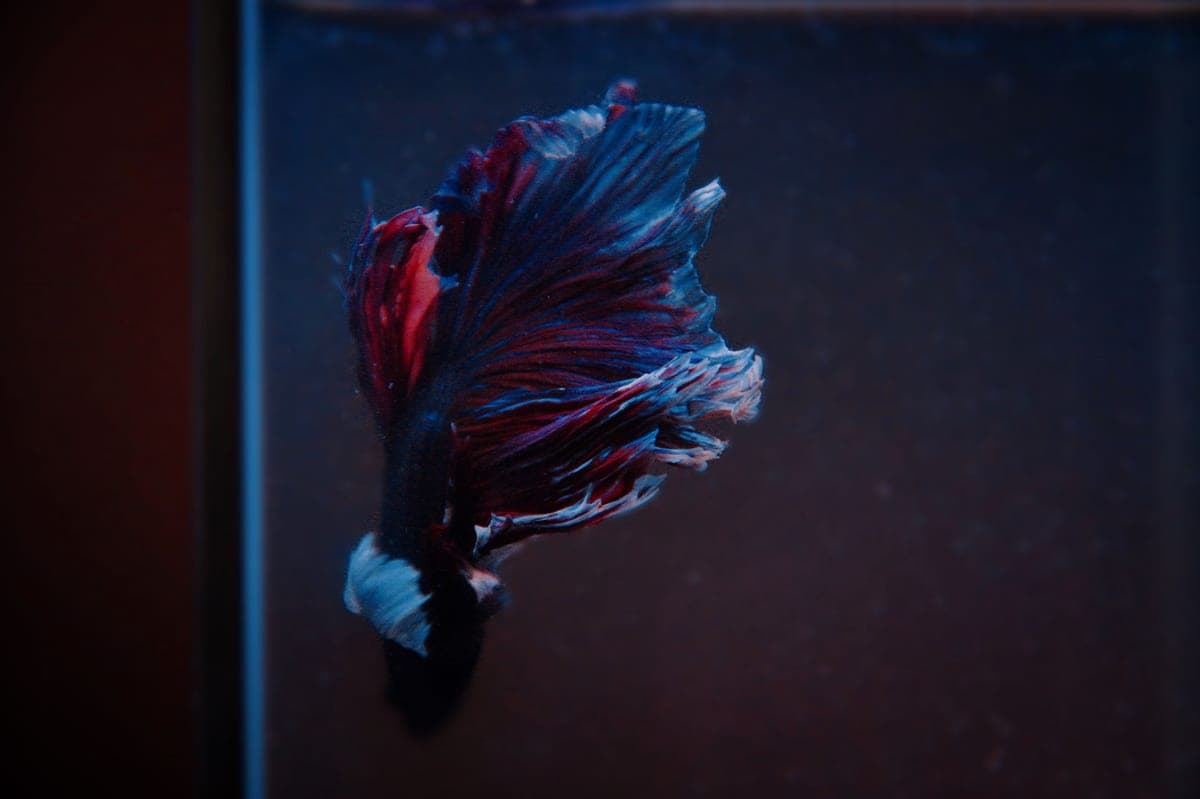
The best filter for a betta tank
Gentle filtration that still processes ammonia, and the cheap baffle that fixes a filter you already have.
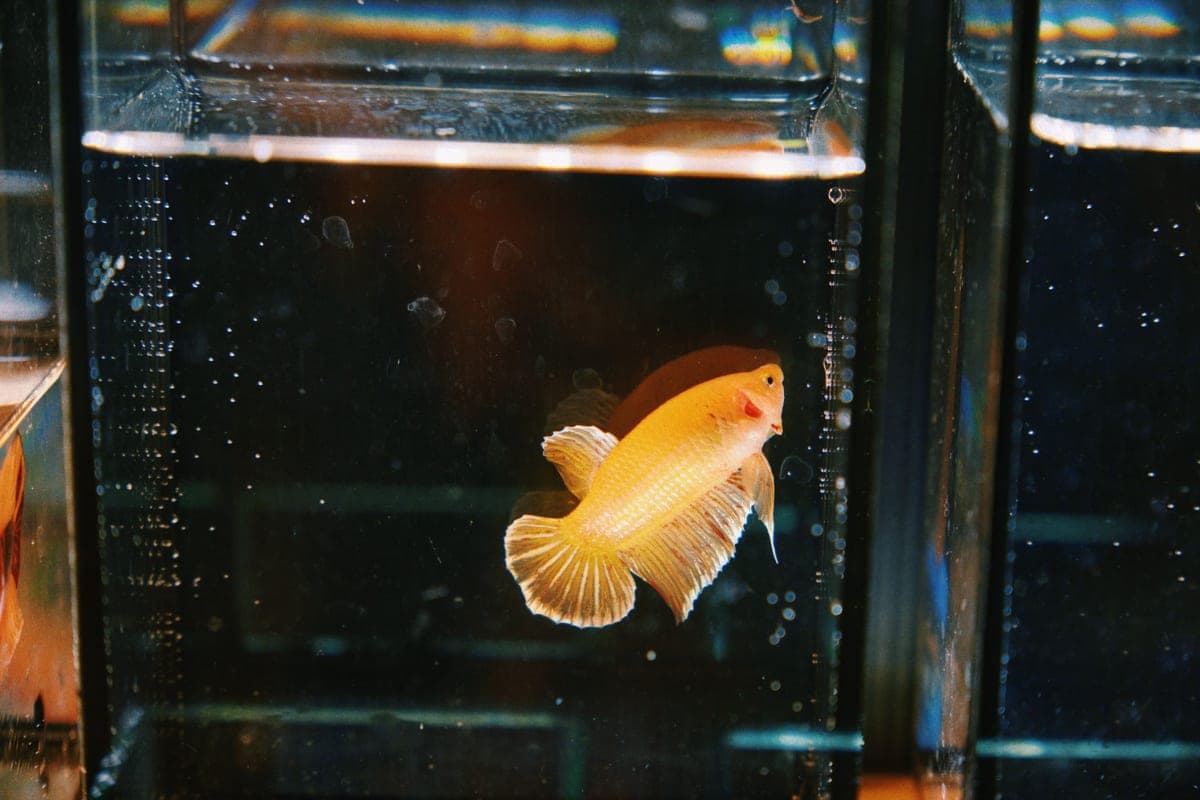
The best nano aquarium kits
Five gallons is the smallest workable tank. Which nano kits are honestly built, and the heater none of them include.
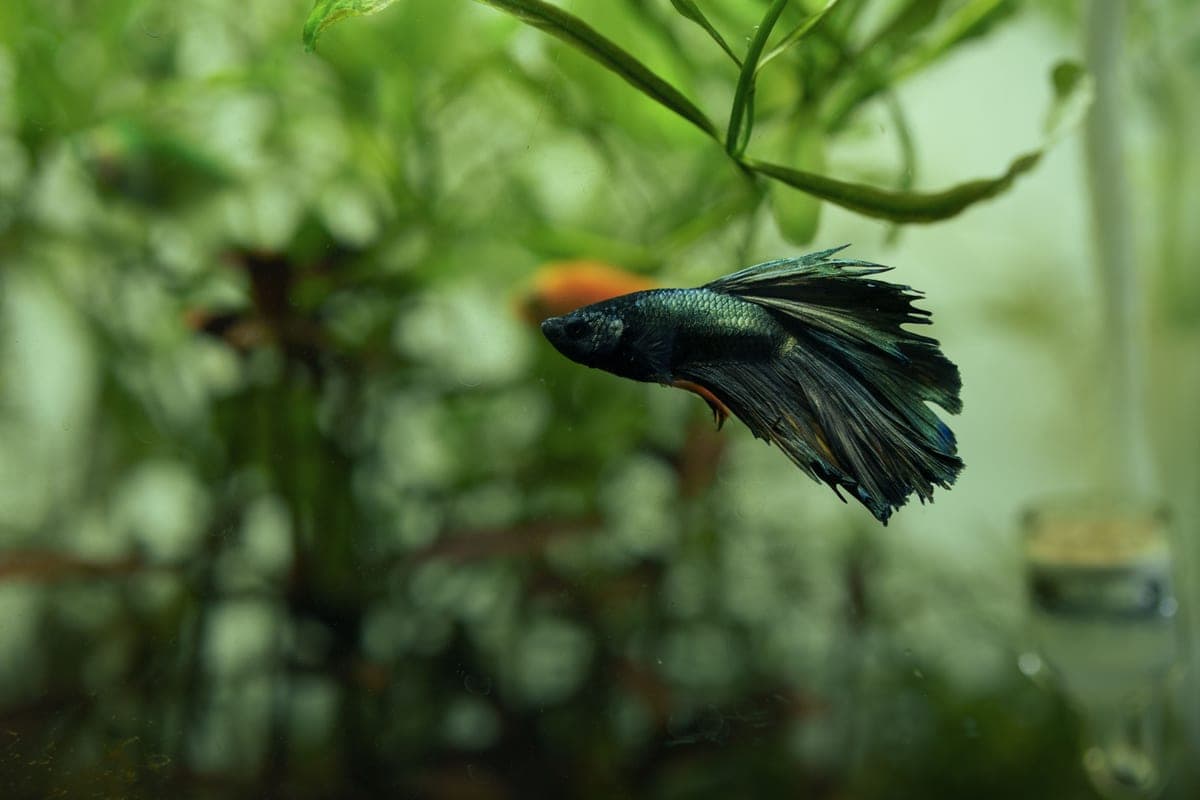
The best aquarium plants for a betta tank
Broad leaves to rest on, soft edges that will not tear fins, and low light so they grow under a stock hood.