Stocking
Cherry shrimp care for beginners
They eat almost nothing, breed on their own and need no special equipment. What they will not forgive is soft water, a sudden parameter change, or one dose of the wrong treatment.
Fin & Filter earns a commission when you buy through the links on this page. It costs you nothing and it does not decide what we rank. How we’re funded.
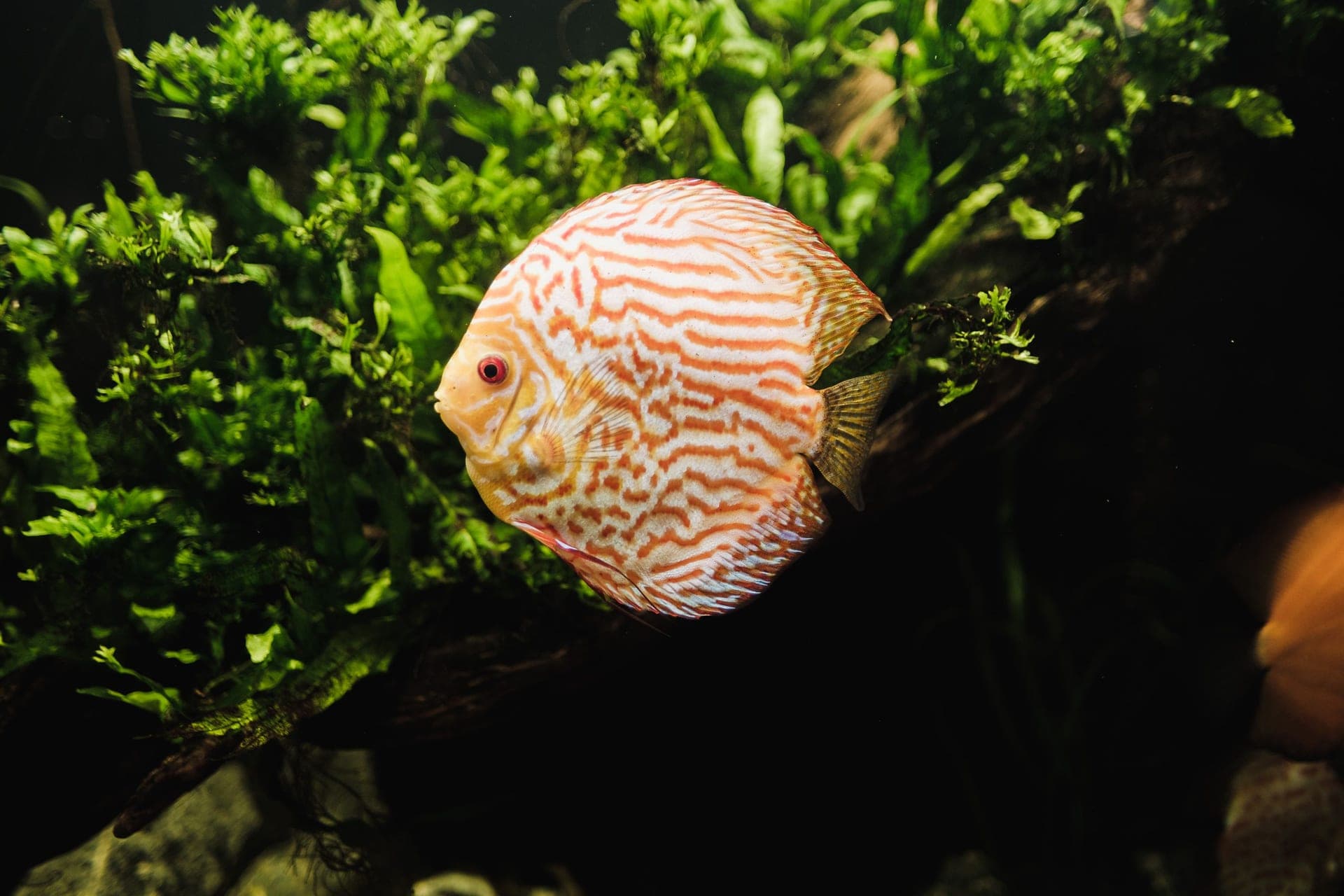
We have not used any of this gear. Every pick below is chosen from published manufacturer specifications and the arithmetic on how we pick, which you can re-run yourself.
Cherry shrimp are an easier animal than most beginner fish and a stricter water problem. They need no heater in a normal room, almost no food in a planted tank, and they breed without any intervention from you. What kills them is specific: water that is too soft to build a shell with, a sudden change in parameters, and treatments that are safe for fish and lethal to invertebrates — API's own page states AlgaeFix is "not for use with freshwater crustaceans including shrimp" while also stating it will not harm fish. Set up a sponge filter, test GH and KH (your master test kit does not), add them to a tank that is at least a few months old, and read every label before it goes in.
Almost everything written about shrimp is written for people breeding high-grade Caridina at a target pH. This page is about Neocaridina — the ordinary red cherry shrimp — in an ordinary beginner tank, where the realistic question is not how to optimize color but how to stop a colony quietly disappearing over three months.
Quick picks
What a shrimp tank actually needs
| # | Product | Best for | Price |
|---|---|---|---|
| 1 | 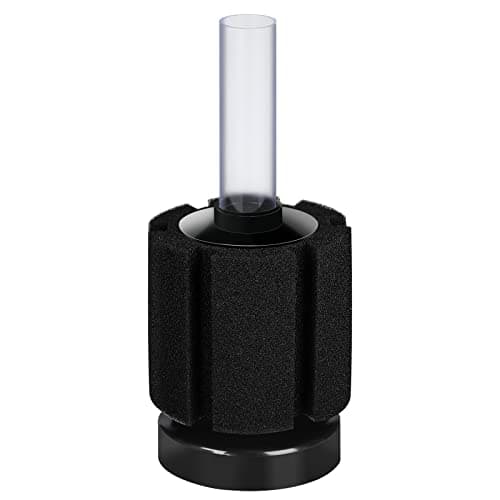 AQUANEAT Bio Sponge Filter (nano, up to 10 gallons) No impeller and no intake slot. A powered filter will eventually take a shrimplet; this physically cannot. | The filter a shrimp tank should use, and close to the only one | $5.98 on Amazon #ad How we’re funded · price as of November 10, 2026 |
| 2 | 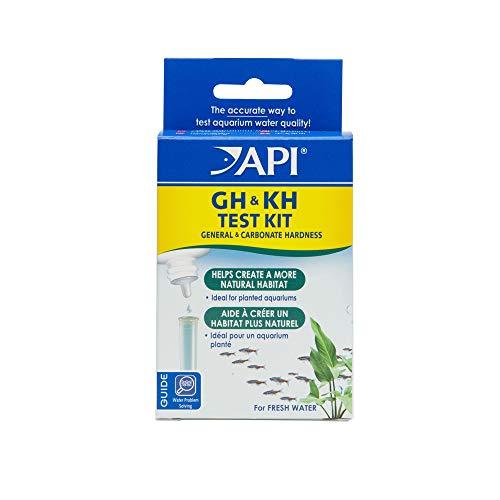 API GH & KH Test Kit Tests general and carbonate hardness. The master test kit does not test either, and hardness is the shrimp parameter. | The reading that actually predicts whether a colony survives | $11.98 on Amazon #ad How we’re funded · price as of November 10, 2026 |
| 3 | 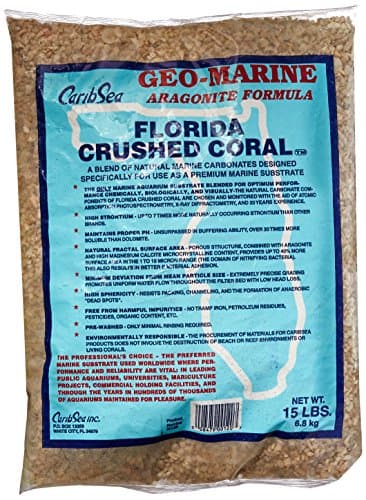 CaribSea Crushed Coral Dissolves slowly to raise GH and KH. The fix for the problem the test kit above finds — and wrong if your water is already hard. | Soft tap water, which is the commonest reason a colony never establishes | $28.99 on Amazon #ad How we’re funded · price as of November 10, 2026 |
| 4 | 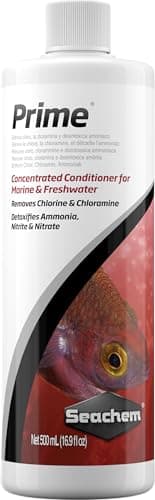 Seachem Prime Removes chlorine and chloramine, which shrimp tolerate even less well than fish do. | Every drop of tap water that goes near them | $16.62 on Amazon #ad How we’re funded · price as of November 10, 2026 |
| 5 | 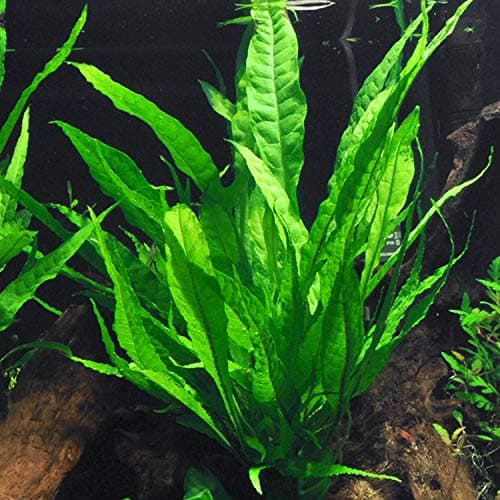 Various Java Fern (Microsorum pteropus), bare root A hardy, low-light plant that attaches to wood or rock and grows the biofilm shrimp actually eat. | Cover and grazing surface, which is most of what shrimp want from decor | $5.99 on Amazon #ad How we’re funded · price as of November 10, 2026 |
| 6 | 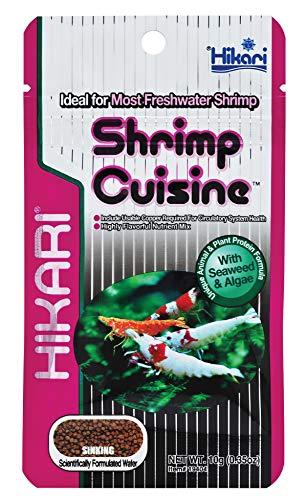 Hikari Shrimp Cuisine Sinking Pellets Sinking pellets formulated for Caridina and Neocaridina. Useful early, close to optional in a mature tank. | A new or sparsely planted tank, in very small amounts | |
| ! | 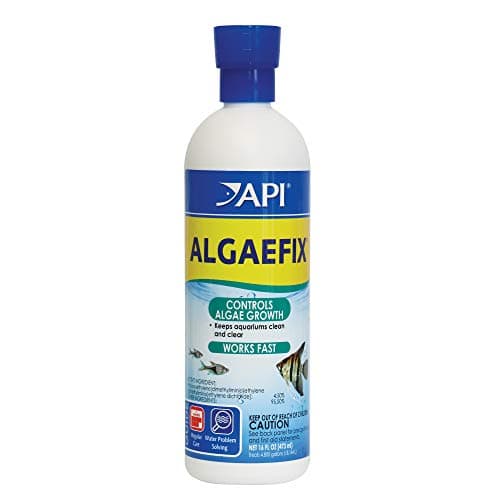 API ALGAEFIX Algae Control API states plainly that AlgaeFix is not for use with freshwater crustaceans including shrimp. Read every label this way. Skip this one — see why below | Not a tank with shrimp in it, on the maker's own instruction | $16.98 on Amazon #ad How we’re funded · price as of November 10, 2026 |
Rows link to the full write-up further down this page. Prices come from the live price layer only; where there is no live figure the button reads “Check price” rather than showing a remembered number.
How we judged this, before any recommendation
Three criteria, and the ordering is the useful part. Does it address something shrimp need that fish do not? — a shrimp tank is mostly a normal tank, so the gear that differs is the gear worth discussing. Does it address the things that actually kill them? — which are hardness, swings and chemicals, not food or heat. Can a beginner keep it up? — a colony is a long game, and anything that needs weekly intervention will lapse.
Note what is missing from that list: a heater, a light, CO2, special substrate, and almost everything sold as shrimp-specific. Cherry shrimp live comfortably at normal room temperature, and in most homes a shrimp-only tank does not need heating at all.
What actually kills cherry shrimp
| Cause | How it shows up | What to do |
|---|---|---|
| Water too soft to molt in | Shrimp die during or just after a molt; empty shells with a body still inside. Everything on a master test kit reads perfect | Test GH and KH. If very soft, raise slowly with crushed coral and re-test weekly |
| Copper and invertebrate-unsafe treatments | Sudden deaths across the colony within hours of dosing something | Read every label for a crustacean warning. Treat a sick fish in a separate tank, never in the shrimp tank |
| Parameter swings | Losses after a large water change, or after a new bag of substrate or decor | Smaller, more frequent changes with temperature- and parameter-matched water |
| A tank that is too new | A colony that never establishes; shrimp disappear one by one over weeks | Wait. Add them to a tank that has been running a few months and has visible biofilm and algae |
| Ammonia or nitrite above zero | The same signs as with fish, but at lower concentrations and sooner | Shrimp belong in a fully cycled tank only. See our cycling guide |
| Being eaten | A gradually shrinking colony in a tank with fish, and no bodies | Accept it as the cost of a community tank, or keep them species-only |
| Overfeeding | Fouled water, a pest snail boom, and losses that look mysterious | Feed far less than feels right. A planted tank feeds them most of the time |
Our own assessment for Neocaridina (cherry shrimp) in a beginner freshwater tank. The crustacean-warning row reflects API's published caution for its own product, cited at the foot of this page.
Why hardness is the parameter that matters
A shrimp grows by discarding its exoskeleton and building a larger one, over and over for its whole life. That shell is built from minerals taken out of the water, which makes general hardness a structural requirement rather than a water-quality nicety.
This is the single most common reason a beginner colony fails in a tank where nothing appears to be wrong. Ammonia zero, nitrite zero, nitrate low, temperature steady — and shrimp dying at intervals that happen to match their molt cycle. The master test kit everybody owns does not test hardness at all, which is stated plainly in our own entry for it, so the failing parameter is invisible unless you go looking for it.
If you are in a soft-water region, the fix is slow and cheap: a little crushed coral in the filter or substrate, re-tested weekly until it settles. If your tap water is already hard — much of the country — you need do nothing at all, and adding buffers would be meddling. Which of those you are is a thing to find out before you buy shrimp, and can you use tap water in a fish tank covers how to read your own supply.
Setting the tank up
- Use a tank that has been running for a few months. This is the step people skip and the one that decides most outcomes. Shrimp graze biofilm, and a new tank has none. A mature, slightly 'dirty' planted tank is the ideal starting point.
- Fit a sponge filter driven by a small air pump, with a check valve. If you have a powered filter you love, fit a pre-filter sponge over the intake and accept that it is a workaround.
- Test GH and KH before you buy any shrimp, and correct slowly if the water is very soft.
- Plant it, and do not tidy it. Java fern, anubias and moss on hardscape give cover and grazing surface. Leaf litter is genuinely useful here rather than untidy.
- Skip the heater unless the room is cold. Cherry shrimp do well at ordinary room temperature, and a heater is one more thing that can fail hot in a small volume.
- Acclimate slowly — slower than with fish. Shrimp react badly to abrupt parameter changes, and the bag they arrive in is rarely your water. Drip or add small amounts of tank water over an hour or more.
- Then leave it alone. A shrimp tank rewards a light hand more than almost any other setup. Small water changes, minimal feeding, and no products unless something is genuinely wrong.
Shrimp with fish: the honest version
Almost any fish big enough to fit a shrimplet in its mouth will eat one. That is not aggression, it is lunch, and no amount of plant cover changes the arithmetic entirely.
- A species-only shrimp tank is the way to see the colony grow. It is also an excellent use of a small tank — how many fish in a 5 gallon tank argues shrimp are arguably the better occupant at that size.
- A betta and shrimp is the classic gamble and it comes down to the individual fish. Some bettas ignore them; some clear a colony in a fortnight. Can a betta live with other fish covers the temperament question properly.
- Small peaceful fish — ember tetras, chili rasboras — generally let adults alone and still eat shrimplets. A colony can persist, it just will not boom.
- Heavy planting shifts the odds, it does not remove the risk. Moss in particular gives shrimplets somewhere to be for the weeks when they are vulnerable.
- Decide which animal the tank is for. A tank that is really a fish tank with shrimp in it is fine, as long as you are not counting them.
What you can stop worrying about
Cherry shrimp have a reputation for difficulty that belongs to their fancier relatives. For Neocaridina in a settled tank, most of the common anxieties are unfounded: they breed without intervention and without you doing anything to trigger it, they do not need a heater in a normal room, they do not need CO2 or special substrate, and they will not overrun a tank in any way that matters — a colony self-limits to the food available, the same mechanism described on how to get rid of snails in a fish tank.
A molted shell on the substrate is also not a dead shrimp, which catches everyone the first time. An empty, translucent, intact shell is a good sign. A shell with a body still in it is the one that tells you to test your hardness.
Pick 1
AQUANEAT Bio Sponge Filter (nano, up to 10 gallons)
The filter a shrimp tank should use, and close to the only one
The number
No published GPH figure: air-driven sponge filters carry none, and output depends on the pump you pair with it.
This is first because it is the one piece of hardware where the shrimp requirement genuinely differs from a fish tank's, rather than being a preference.
Baby shrimp are a couple of millimetres long and transparent. A hang-on-back or canister intake will draw them in, and a pre-filter sponge over that intake is a workaround for a problem a sponge filter does not have in the first place.
The second reason is biofilm. The sponge itself becomes a grazing surface, which in a shrimp tank is part of the food supply rather than just filtration.
The honest costs. No pump, airline or check valve in the box, so the real purchase is three or four items and the pump is the noisiest thing in the setup. No mechanical polish, so fine particles stay suspended. It is visible inside the tank. And it is a nano device — on a stocked community tank it is a supplement to a main filter rather than a replacement.
| Flow rating | Not published. Air-driven sponge filters carry no manufacturer GPH figure; output depends on the air pump you pair with it. |
|---|---|
| Filtration | Mechanical and biological. No chemical stage unless you add one. |
| Running cost | No cartridge. The sponge is rinsed in old tank water and reused. |
| What it does not do | No air pump, no airline and no check valve in most listings, so budget for all three. No chemical filtration, and there is no hiding it behind the hardscape. |
Specs from Fluval, AquaClear 20 product page (the hang-on-back flow comparison). We have not used this unit.
#ad How we’re funded · price as of November 10, 2026
Pick 2
API GH & KH Test Kit
The reading that actually predicts whether a colony survives
The number
Liquid titration for GH and KH. Our API Freshwater Master Test Kit entry states plainly that it does not test hardness — this is the companion, not a duplicate.
If you buy one thing on this page beyond the filter, buy this, and the reason is specific rather than general.
Shrimp grow by molting: they shed an exoskeleton and build a new one, repeatedly, for their whole lives. Building a shell takes minerals out of the water, and water with very little mineral content in it makes that harder. Keepers in soft-water regions lose shrimp at molting while every reading on their master test kit says the tank is perfect — because the master kit never measured the thing that was wrong.
KH matters for a second reason: it is what stops pH drifting between water changes, and shrimp object to movement more than to any particular value.
The honest costs. It tests hardness and nothing else, so it is an addition to a master kit rather than a replacement. Titration is fiddlier than reading a color card — you add drops one at a time, swirl and count, and losing count means starting the vial over. Reagents expire. And a reading is only useful if you are willing to act on it.
| Tests | General hardness (GH) and carbonate hardness (KH) |
|---|---|
| Type | Liquid titration — you count drops until the color changes |
| Size | 2.5 oz, per the Amazon listing |
| Why it is separate | The API Freshwater Master Test Kit does not test hardness at all, so this is an addition to that kit rather than a duplicate of it |
| What it does not do | It does not test ammonia, nitrite, nitrate or pH — this is a hardness kit only, and it is the companion to a master kit rather than a replacement. Titration is fiddlier than the master kit's color cards: you add drops one at a time, swirl, and count, and losing count means starting the vial again. Reagents expire. And knowing your GH does nothing on its own; it is only useful if you are prepared to act on a reading that comes back very soft. |
Specs from API GH & KH Test Kit, freshwater aquarium water test kit, 2.5 oz, Amazon listing. We have not used this unit.
#ad How we’re funded · price as of November 10, 2026
Pick 3
CaribSea Crushed Coral
Soft tap water, which is the commonest reason a colony never establishes
The number
Aquarium Co-Op states 1 lb per 10 gallons mixed into gravel, with a service life of 1 to 2 years as substrate versus 1 to 3 months as filter media.
This is the correction, and it is deliberately second to the test because buying it without testing is how people overshoot in the opposite direction.
In genuinely soft water, a small amount of crushed coral in the filter or mixed into the substrate raises carbonate and general hardness steadily rather than in a jolt, which is exactly the way you want to move a parameter in a shrimp tank.
It also buffers pH upward and holds it steadier, which addresses the drift problem at the same time.
The honest costs. This is not a neutral substrate and it is not sold as one — it changes water chemistry continuously, and how far it moves yours depends entirely on your starting water. The same handful moves soft water a long way and barely registers in hard water. It is the wrong default for a general community tank and right only after a test said so. And it is a slow lever: add a little, wait a week, test again. Dumping in a bagful is a parameter swing, which is the thing this whole page is trying to avoid.
| What it does | Dissolves slowly into the water, raising carbonate hardness (KH) and general hardness (GH), which buffers pH upward |
|---|---|
| Typical dose | Aquarium Co-Op states 1 lb per 10 gallons when mixed into gravel |
| Intended for | Aquarium Co-Op sells it for fish, shrimp and snails that need a higher pH, and for keepers whose tap water is soft with low pH, KH and GH |
| Service life as substrate | Aquarium Co-Op states 1 to 2 years used as substrate, versus 1 to 3 months used as filter media |
| What it does not do | This is not a neutral substrate and it is not sold as one. It changes water chemistry continuously and the size of the change depends on your starting water, so the same amount moves soft water a long way and barely moves hard water. Wrong as a default for a general community tank; correct only if you have tested your water and decided you want it harder. |
Specs from Crushed Coral 1 lb, Aquarium Co-Op product page (pH, KH, GH effect, dose, service life); Aquarium Co-Op, The Fish Keeper's Guide to pH, GH and KH. We have not used this unit.
#ad How we’re funded · price as of November 10, 2026
Pick 4
Seachem Prime
Every drop of tap water that goes near them
The number
Published dose: 1 capful (5 mL) per 200 L (50 US gallons) of new water. Seachem states it also detoxifies ammonia, nitrite and nitrate for up to 48 hours.
A conditioner is not optional on any tank, and a shrimp tank is the one where cutting the corner shows fastest. Invertebrates are more sensitive than fish to a number of things that arrive in tap water, and there is no upside to finding out where your own supply sits.
The ammonia-binding claim earns its place here too, because a shrimp tank is usually small and small volumes move quickly.
The honest costs. It does not remove ammonia, it binds it, and your test kit will still read it afterwards. The window is a window rather than a fix. It smells strongly of sulfur. And none of this substitutes for the water change itself.
| Dose | 1 capful (5 mL) for each 200 L (50 US gallons) of new water |
|---|---|
| Removes | Chlorine, chloramine |
| Detoxifies | Ammonia, nitrite and nitrate |
| Binding duration | Seachem states it binds those compounds for up to 48 hours |
| What it does not do | It does not remove ammonia. It binds it into a less toxic form for up to 48 hours, and your test kit will still read the ammonia as present. It is not a bacteria product and it will not cycle a tank. |
Specs from Seachem, Prime product page. We have not used this unit.
#ad How we’re funded · price as of November 10, 2026
Pick 5
Various Java Fern (Microsorum pteropus), bare root
Cover and grazing surface, which is most of what shrimp want from decor
Plants are closer to infrastructure than decoration in a shrimp tank. Every surface becomes a grazing surface, and a densely planted tank supports a bigger colony on the same amount of added food.
Java fern earns a place specifically because it attaches to hardscape rather than rooting in substrate, tolerates the modest light a kit fixture gives, and does not need the fertilizer dosing that would be another variable to manage.
Cover also changes behavior: shrimp in a bare tank hide, and shrimp in a planted tank are visible all day, which is the entire point of keeping them.
The honest costs. It is slow, so the tank will not look established for months. Its rhizome has to stay above the substrate or it rots, which is the usual way people kill one. And slow growth means it collects algae on older leaves, which rewards a disciplined photoperiod.
| Light | Low light. Sold and listed as a low-light plant |
|---|---|
| Planting | Attached to wood or rock, never buried. Burying the rhizome in substrate rots it, which is the usual way beginners kill it |
| Substrate | None needed, so it suits a bare-bottom or gravel tank equally |
| Leaf | Broad and soft, which is what makes it a resting surface for a betta |
| What it does not do | Slow. It grows at a pace that tests patience, and a new plant often browns off before it establishes, which looks like failure and usually is not. Bare-root plants arrive without a pot, so you need a way to attach them. |
Specs from Java Fern Bare Root, Microsorum pteropus, low light, Amazon listing. We have not used this unit.
#ad How we’re funded · price as of November 10, 2026
Pick 6
Hikari Shrimp Cuisine Sinking Pellets
A new or sparsely planted tank, in very small amounts
The number
Sinking pellets, stated by the listing for Caridina and Neocaridina shrimp.
Worth owning and worth under-using. In a mature planted tank a colony grazes biofilm and algae more or less continuously, and many established tanks need very little added food at all.
Where it genuinely helps is a young tank that has not grown a biofilm layer yet, or a sparsely planted one where there is simply less to graze.
The honest costs. The failure mode here is overfeeding, not underfeeding: uneaten pellets foul a small tank fast and feed a pest snail population at the same time — see our snail page for where that leads. Feed an amount you would call insultingly small, watch it disappear within a couple of hours, and remove what does not. Pellets also lose value once opened, so buy the smallest tub.
| Form | Sinking pellets |
|---|---|
| Intended for | Caridina and Neocaridina shrimp — the two genera ornamental freshwater shrimp belong to — per the listing |
| Feeding role | A supplement to the biofilm and algae shrimp graze on, not their main diet in an established tank |
| What it does not do | In a mature, planted tank this is closer to optional than essential: shrimp graze biofilm, algae and leaf litter continuously, and a colony in an established tank often needs very little added food. The failure mode is the opposite of underfeeding — uneaten pellets foul a small tank quickly and feed a pest snail population at the same time. Feed a tiny amount, watch it get eaten within a couple of hours, and remove what is not. Pellets also lose nutritional value once opened, so buy the smallest size. |
Specs from Hikari Shrimp Cuisine sinking pellets, daily tropical food for Caridina and Neocaridina shrimp, Amazon listing. We have not used this unit.
Skip this
API ALGAEFIX Algae Control
Not a tank with shrimp in it, on the maker's own instruction
The skip entry, and it is the single most important thing on this page.
API's own product page says it twice: **"API ALGAEFIX Algae Control is not for use with freshwater crustaceans including shrimp, crabs and lobsters"**, and in its directions, **"Caution: do not use with freshwater crustaceans."** The same page separately states the product **"will not harm fish or plants when used as directed."**
Put those two statements next to each other and you have the lesson that keeps shrimp alive: **"aquarium safe" on the front of a bottle means safe for fish.** It is not a statement about invertebrates, and a product can be entirely honest in claiming it while still being lethal to your colony.
This applies well beyond one algaecide. Snail treatments, many medications, and anything copper-based deserve the same check before the cap comes off — and a shrimp tank is a bad place to find out you guessed.
The honest costs of the skip. None as a product, and nothing here says AlgaeFix is badly made or mislabeled — the warning is right there on the maker's page, which is exactly why there is no excuse for dosing it blind. In a fish-only tank it is a legitimate option, though our algae page argues you should think hard before reaching for any algaecide.
| What it is | A liquid algae control product for freshwater aquariums, sold in a 16 oz bottle |
|---|---|
| What it does not do | It does not change the light or the nutrient load that grew the algae |
| Separate product | API sells a distinct marine version; the freshwater and saltwater bottles are not interchangeable |
| What it does not do | This is on our algae page as the option to think hardest about, not as a recommendation. Killing algae leaves it in the tank to decompose, and the EPA's own description of algal blooms notes that decomposing algae consumes the oxygen in the water column — in a closed aquarium that also means an ammonia load on a filter that was already busy. Read the label's own cautions about invertebrates before using it in a tank with shrimp or snails. |
Specs from API ALGAEFIX Algae Control, 16 oz, Amazon listing; US EPA, Nutrient Pollution — The Effects: Environment (decomposing algae consumes oxygen in the water column). We have not used this unit.
Questions people actually ask
Frequently asked questions
+ Are cherry shrimp good for beginners?
+ What water parameters do cherry shrimp need?
+ Why do my cherry shrimp keep dying?
+ Do cherry shrimp need a heater?
+ Do cherry shrimp need a filter?
+ Can I keep cherry shrimp with a betta?
+ What do cherry shrimp eat?
+ Is algae treatment safe for shrimp?
Where the numbers came from
Sources
- API, ALGAEFIX product page — "API ALGAEFIX Algae Control is not for use with freshwater crustaceans including shrimp, crabs and lobsters", alongside the separate claim that it "will not harm fish or plants when used as directed"
- API GH & KH Test Kit, freshwater aquarium water test kit, 2.5 oz, Amazon listing
- Hikari Shrimp Cuisine sinking pellets, daily tropical food for Caridina and Neocaridina shrimp, Amazon listing
- API Freshwater Master Test Kit — Amazon listing (parameters tested, test count)
Read next
Related on Fin & Filter
How many fish in a 5 gallon tank?
One betta, or shrimp. Why five gallons is a floor rather than a home, and the nano fish that should not go in one.
The best sponge filters
The cheapest biological filtration there is, and the gentlest. What to buy, and the three parts never included.
Can you use tap water in a fish tank?
Yes, treated. Chlorine versus chloramine, why distilled water is a mistake, and the bottle to buy for your water.