The method
How to set up a low-tech planted tank
No CO2, no dosing schedule, no weekly trimming. A low-tech tank trades growth rate for a system that survives being ignored — which is exactly what a first planted tank should do.
Fin & Filter earns a commission when you buy through the links on this page. It costs you nothing and it does not decide what we rank. How we’re funded.
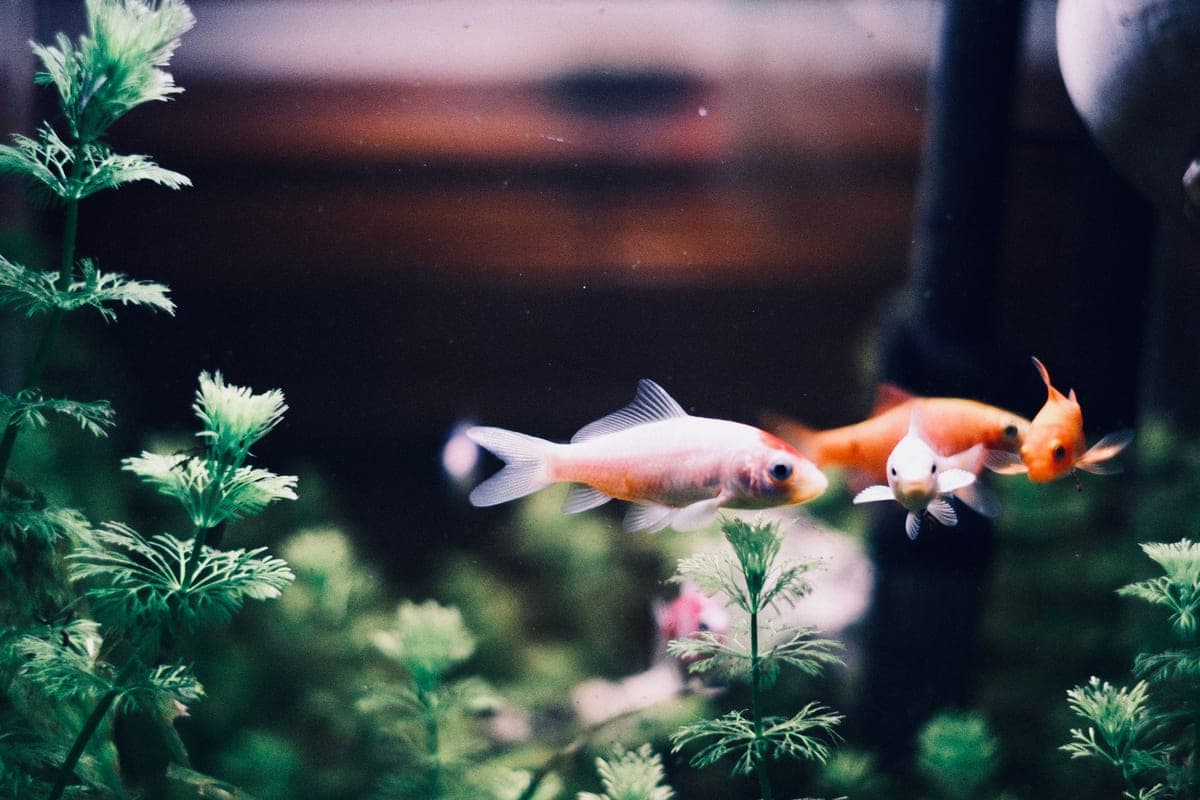
We have not used any of this gear. Every pick below is chosen from published manufacturer specifications and the arithmetic on how we pick, which you can re-run yourself.
A low-tech planted tank is one that runs without injected CO2: moderate light on a fixed schedule, undemanding plants, and a small fertilizer routine. Four decisions make it work — substrate (plain gravel plus root tabs, or an active plant soil), light (a modest fixture on a timer, six hours a day to start), plants (rhizome and floating species, not carpets), and fertilizer (a trace supplement weekly, tablets under root feeders). The rule that governs all four: light is the throttle. In a tank with no CO2, more light does not grow more plants, it grows algae.
Planted-tank advice online mostly describes a different hobby to the one a beginner is starting. High-tech tanks — CO2 cylinders, dosing regimes, carpets trimmed weekly — are genuinely impressive and genuinely demanding. A low-tech tank is the version that keeps working when you go away for a week, and it is what belongs in a first or second aquarium. This page is the method; the species lists and the product shortlists it points at are elsewhere on the site.
What low tech actually means
| Low tech (this page) | High tech | |
|---|---|---|
| CO2 | None — what the fish and the air provide | Injected from a cylinder |
| Light | Modest, 6-8 hours on a timer | High output, often with a ramp profile |
| Fertilizer | Trace weekly, tabs under root feeders | Full macro and micro dosing, often daily |
| Plants | Rhizome, floating and hardy stems | Carpets and demanding species |
| Trimming | Occasional | Weekly |
| Growth rate | Slow | Fast |
| What happens if you ignore it for two weeks | Very little | It gets away from you |
| Algae risk | Low, if the photoperiod is controlled | Higher — more light, less margin |
Both are legitimate. This page is about the first column, which is what a first planted tank should be.
The useful consequence of that table is financial as well as practical: everything in the left column is cheap. The expensive parts of planted tanks — the fixture, the CO2 system, the dosing routine — belong to the right column, and buying them for a low-tech tank makes the tank harder rather than better.
Decision one: substrate
There are two routes and the difference is where the nutrition lives. Plain gravel or sand plus root tablets puts it under each plant, costs the least, and lets you keep the substrate you already have — best aquarium substrate covers the options. An active plant soil puts it throughout the bed from day one, and changes your water chemistry as a side effect.
- Keeping fish that like your tap water? Stay with inert gravel or sand and use tablets. Do not change the water chemistry to solve a plant problem.
- Building around swords and cryptocorynes? Either route works; tablets are cheaper, soil is less work.
- Keeping shrimp, or want soft, slightly acidic water anyway? An active soil is the better fit.
- Already have a running tank? Tablets, every time. Re-scaping a cycled tank to add plants is a lot of disruption for a problem a tablet solves.
- Whichever you choose: rhizome plants and floating plants do not care, because they never touch the substrate.
Quick picks
What a low-tech planted tank actually needs
| # | Product | Best for | Price |
|---|---|---|---|
| 1 | 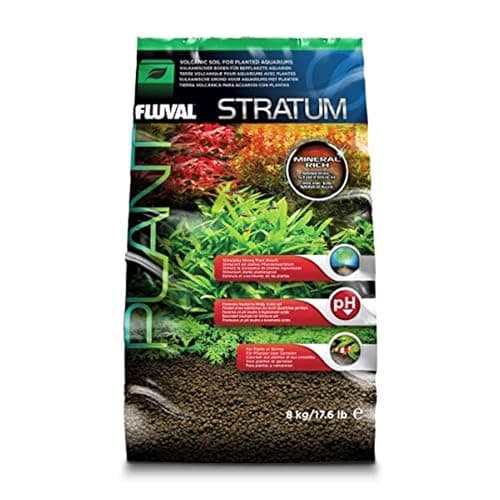 Fluval Plant and Shrimp Stratum An active plant substrate, so swords and crypts have something to root into without tablets — with real water-chemistry side effects to know about first. | The substrate route that feeds root plants from day one | $32.91 on Amazon #ad How we’re funded · price as of November 3, 2026 |
| 2 | 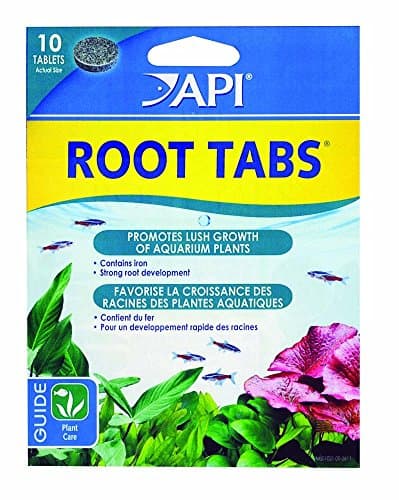 API Root Tabs, 3 Pack Three boxes of tablets turn any inert gravel or sand into a substrate that feeds root plants, for a fraction of the cost of a soil. | The cheaper substrate route: plain gravel plus tablets | |
| 3 | 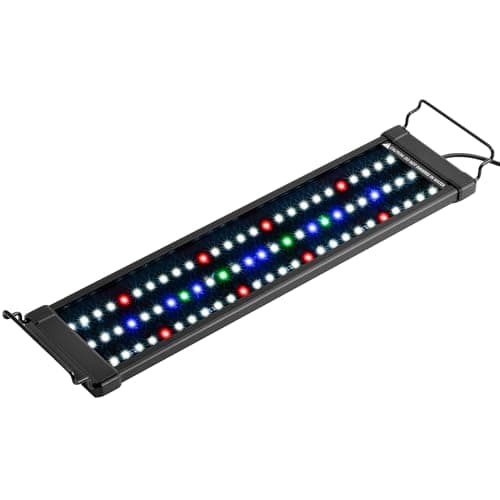 NICREW ClassicLED Plus Aquarium Light, 15W 15 W on extendable brackets for 18 to 24 inch tanks — the right class of fixture for plants that do not want much. | Enough light, which is the point | $35.99 on Amazon #ad How we’re funded · price as of November 3, 2026 |
| 4 | 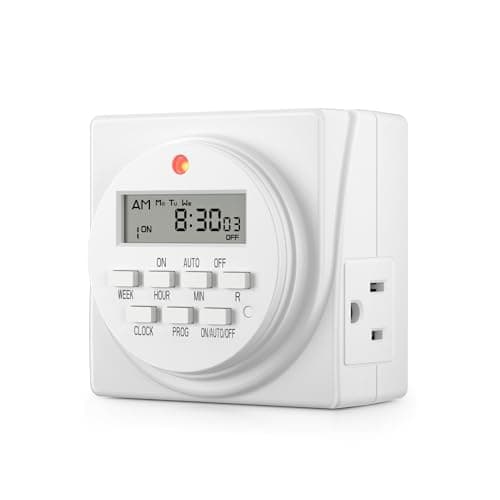 BN-LINK Indoor 7-Day Programmable Digital Timer Outlet A plug-in 7-day timer with two outlets, so the photoperiod is a setting rather than something you remember. | The cheapest algae control there is | |
| 5 | 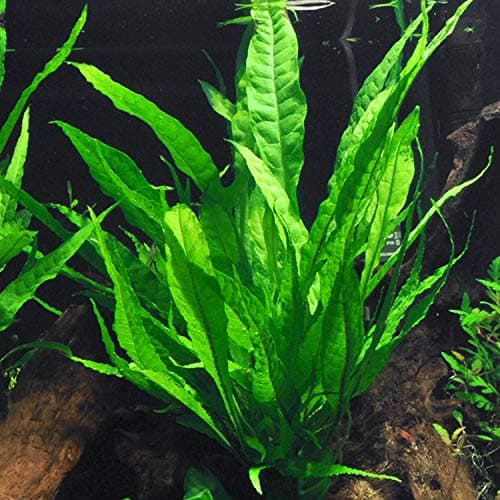 Various Java Fern (Microsorum pteropus), bare root A rhizome plant that attaches to wood or rock, tolerates low light, and asks for nothing in the substrate. | The plant to start with, and the one hardest to kill | $5.99 on Amazon #ad How we’re funded · price as of November 3, 2026 |
| 6 | 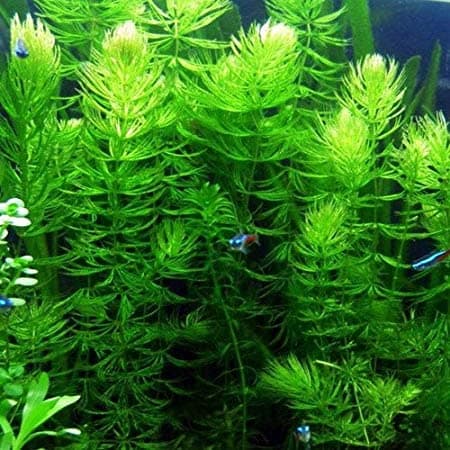 Various Hornwort (Ceratophyllum demersum) A floating stem plant that needs no planting and grows fast enough to compete for the nutrients algae wants. | Fast growth on day one, which is what actually starves algae | $9.97 on Amazon #ad How we’re funded · price as of November 3, 2026 |
| 7 | 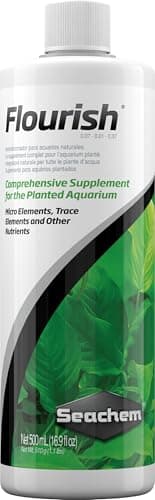 Seachem Flourish Freshwater Plant Supplement A trace and micro-element supplement — the nutrients a stocked tank does not make for itself. | The one bottle a low-tech tank actually needs | $16.90 on Amazon #ad How we’re funded · price as of November 3, 2026 |
| ! | 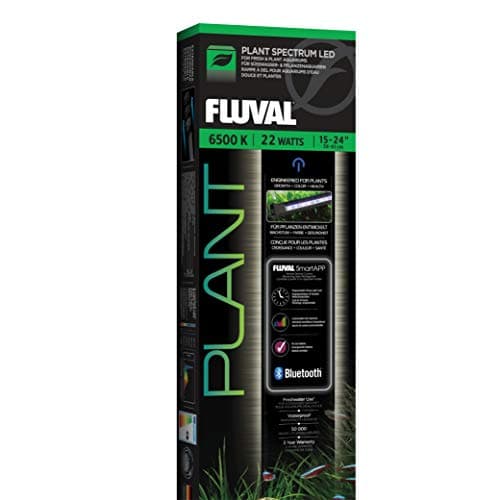 Fluval Plant 3.0 LED, 22 W An excellent planted-specific fixture, and more light than a tank without CO2 can put to work. Skip this one — see why below | Not a low-tech tank | $149.99 on Amazon #ad How we’re funded · price as of November 3, 2026 |
Rows link to the full write-up further down this page. Prices come from the live price layer only; where there is no live figure the button reads “Check price” rather than showing a remembered number.
Decision two: light, and the photoperiod that governs it
This is the decision people get wrong, and the mistake is always in the same direction: more light than the tank can use. A low-tech tank has no CO2, so carbon is the limiting factor in growth. Adding light does not lift that limit — it simply provides energy that the plants cannot convert and the algae can.
- Buy a fixture that spans the tank, not the brightest one you can afford. Length first: a 10 gallon and a 20 gallon high are 20 and 24 inches; a 20 gallon long is 30. Our shortlists are on aquarium lights for a 10 gallon tank and aquarium light for a 20 gallon tank.
- Start at six hours a day, on a timer, from the day the light goes in.
- Hold it for a month before changing anything. Plants adapt slowly and algae responds fast; a week is not a result.
- Increase to seven or eight hours only if the plants look starved — long, pale, stretching growth. Never run more than about eight on a tank with no CO2.
- If algae appears, shorten the day before you do anything else. It is free, it is immediate, and it is right far more often than any bottle.
- Keep the tank out of direct sunlight. A window is an uncontrolled light source and the usual cause of green water.
Decision three: which plants
Pick species that are undemanding about light and carbon, and ignore everything sold as a carpet. Three categories cover a first planted tank, and a good starting mix is one of each.
- Rhizome plants — java fern, anubias. Attached to wood or rock, never buried. They tolerate low light, resist being eaten, and are almost impossible to kill outright. Full list on easy live plants for beginners.
- A fast grower — hornwort, or another undemanding stem plant. Its job is nutrient uptake rather than looks: fast plants compete directly with algae.
- Root feeders — Amazon swords, cryptocorynes — if you have a soil or tablets to feed them. These give height and mass over a few months.
- Floating plants, if the tank has an open top. They get the best light in the tank, shade everything below, and soak up nutrients fast — very effective, and easy to let take over.
- Skip for now: carpeting plants, anything sold as high-light or CO2-demanding, and anything sold in a sealed tissue culture pot that you cannot identify. Best low light aquarium plants is the safe shortlist.
Expect the first month to look like failure. Most plants are grown out of water at the nursery, so their existing leaves die back and new submerged ones replace them. Melting crypts are the classic case: they can drop every leaf and regrow from the roots. Do not pull them out.
Decision four: the fertilizer routine
It is smaller than the shelf suggests. A stocked tank already produces nitrogen continuously and phosphate arrives in the food, so what you are topping up is the trace element set plus, if you keep root feeders, something in the substrate. That is one bottle and a box of tablets — the full reasoning is on best aquarium plant fertilizer.
- Dose after the weekly water change, not before, so you know what is actually in the tank.
- Start at half the label dose, calculated on your real water volume rather than the number on the box — substrate, rocks and freeboard can easily take a 20 gallon tank down to 16 or 17 gallons of water.
- Change one variable at a time. Adding fertilizer and light in the same week teaches you nothing about which caused what.
- Push root tabs in deep, away from where the gravel vacuum goes, and replace them every few months rather than monthly.
- Do not dose to fix algae. Algae is a light problem far more often than a nutrient one.
The first eight weeks
- Week 1. Plants melt or brown off. Nothing is wrong. Keep the photoperiod at six hours and leave them be.
- Weeks 2-3. Roots establish and the first genuinely new growth appears — usually smaller and darker than the leaves the plant arrived with.
- Weeks 3-5. Some algae on the glass is normal as the tank finds its balance. Scrape it at the water change rather than reacting with chemicals — best algae scrapers — and if a particular type keeps returning, identify it on how to get rid of algae in a fish tank.
- Weeks 5-8. Growth becomes obvious. This is the point at which the fertilizer routine starts to matter, because the plants are finally using something.
- Throughout. Keep doing the water changes. A planted tank is not an excuse to stop — plants consume a fraction of what a stocked tank produces, which is covered honestly on how often to change aquarium water.
Filtration is the one piece of hardware a planted tank judges differently from a fish-only tank, because surface churn and media volume matter more than raw flow. The shortlist is on the best filter for a planted tank.
Pick 1
Fluval Plant and Shrimp Stratum
The substrate route that feeds root plants from day one
The number
Sold as a plant and shrimp substrate. It is an active soil, which means it participates in your water chemistry rather than sitting inert like gravel.
There are two honest substrate routes for a low-tech tank and this is the more expensive one: buy a substrate that already contains nutrition, plant into it, and forget root tabs for a long while.
It suits a tank built around root feeders — Amazon swords, cryptocorynes — and it is the standard choice for shrimp tanks because it tends toward soft, slightly acidic water.
That tendency is also the catch. An active soil is not a neutral decision: if your tap water is hard and your fish are happy in it, changing the substrate changes the tank. Read the water-chemistry note before you buy rather than after.
The honest costs. It costs several times what plain gravel costs for the same tank. It is light and fine, so it clouds when disturbed and it does not hold heavy plants down as firmly as gravel until roots take. Its buffering is finite and fades over a few years, which is not a failure, just a fact. And no substrate feeds stem or floating plants, which take their nutrition from the water.
| Granule size | 3 to 5 mm |
|---|---|
| Origin | Fluval states it is collected from the foothills of Mount Aso volcano in Japan |
| Water chemistry | Fluval states it supports a neutral to slightly acidic pH |
| Hardness | Fluval states it softens water and reduces carbonate hardness |
| Structure | Porous, which Fluval states allows rapid colonization by beneficial bacteria |
| Bag size | The listing linked here is the 17.6 lb bag; Fluval also sells 4.4 lb and 8.8 lb bags under separate listings |
| What it does not do | It actively changes your water chemistry, which is a feature for a planted or shrimp tank and a complication if your tap water is already soft. It is lightweight and porous rather than heavy stone, so it is easier to disturb when planting and it clouds the water badly if you pour water onto it carelessly. Aquasoils of this type are generally understood to have a finite buffering life rather than lasting forever, and Fluval does not publish a figure for that. |
Specs from Fluval Stratum Plant and Shrimp Substrate, Bulk Reef Supply listing (granule size, origin, pH, hardness, porosity); Fluval Plant and Shrimp Stratum 17.6 lb, Amazon listing. We have not used this unit.
#ad How we’re funded · price as of November 3, 2026
Pick 2
API Root Tabs, 3 Pack
The cheaper substrate route: plain gravel plus tablets
The number
Three boxes of 10 tablets, pushed into gravel or sand near the root mass. Tablets are typically replaced every few months as they exhaust.
This is the route we would take on a first planted tank, and it is the reason a beginner does not need to re-scape a working tank to grow plants. Keep the gravel you have, push a tablet under each root feeder, and the plant has what it needs.
It also fails gracefully. If you lose interest in plants, you simply stop buying tablets — nothing in the tank has to be torn out.
The honest costs. Tablets do nothing for stem plants, floating plants or rhizome plants like anubias and java fern, all of which feed from the water column. They are a recurring purchase every few months. And a tablet disturbed by a gravel vacuum clouds the water, so push them in deep and away from where you siphon.
| Form | Tablets pushed into gravel or sand |
|---|---|
| Pack | 3 boxes of 10 tablets |
| Use | The cheapest way to feed root-feeders across a whole tank rather than one plant |
| What it does not do | Same limits as any root tab: nothing for stem or floating plants, and tabs need replacing every few months, which is a recurring cost. Buying three boxes at once is only a saving if you have the plants to use them. |
Specs from API, Root Tabs product page; API Root Tabs Freshwater Aquarium Plant Fertilizer, 3 pack, Amazon listing. We have not used this unit.
Pick 3
NICREW ClassicLED Plus Aquarium Light, 15W
Enough light, which is the point
The number
15 W, with brackets stated for 18 to 24 inch tanks. That covers a 10 gallon tank and a standard 20 gallon high. A 20 gallon long is 30 inches and needs a longer fixture.
The instinct is to buy the brightest fixture in the budget. In a low-tech tank that is the single most reliable way to grow algae, because light is the accelerator and you have deliberately chosen not to fit the fuel — CO2 and a full fertilizer routine.
A modest fixture run on a fixed schedule grows java fern, anubias, cryptocorynes and floating plants perfectly well. That is the whole plant list a first planted tank needs.
The honest costs. It does not fit a 30 inch tank. There is no built-in timer, so budget for a plug-in one. NICREW publishes no PAR figure we can verify, so we do not print one. And no fixture in this class will grow a carpeting plant — that is a different tank with a CO2 cylinder attached to it.
| Fixture length | Extendable brackets for 18 to 24 inch tanks, per the Amazon listing title |
|---|---|
| Power | 15 W |
| Why this size for a 10 gallon | A standard 10 gallon tank is 20 inches long, so the 18-24 inch fixture is the one that spans it. The 12-18 inch model in the same line does not |
| What it does not do | No timer in the box, and a light left on manually is the single most reliable way to grow algae. Budget for a plug-in timer. NICREW does not publish PAR figures for this fixture, so we cannot tell you how it compares on usable light to a planted-specific unit, and we are not going to estimate one. |
Specs from NICREW ClassicLED Plus 15W for 18-24 inch tanks, Amazon listing. We have not used this unit.
#ad How we’re funded · price as of November 3, 2026
Pick 4
BN-LINK Indoor 7-Day Programmable Digital Timer Outlet
The cheapest algae control there is
The number
Indoor 7-day programmable timer with two outlets, per the Amazon listing. Two outlets covers a light plus an air pump, or a light on each of two tanks.
A low-tech planted tank runs on a fixed photoperiod: the same number of hours, at the same times, every day. Six hours is where to start. Plants tolerate a short, consistent day far better than algae tolerates a short one.
Done by hand this fails within a fortnight — a late night, a weekend away, a day the light stays on until midnight, and the tank gets a bloom that takes weeks to clear. A timer removes the variable for the price of a bag of substrate.
The honest costs. We could not verify a published electrical rating from a source that responds to us, so check the listing against what you plug into it. A digital timer can lose its program in a long outage — check the schedule after the power goes out. A mechanical dial timer is cruder, cheaper and has nothing to forget.
| Type | Plug-in digital timer, 7-day programmable, per the Amazon listing |
|---|---|
| Outlets | Two, so one timer runs a light and an air pump or a second tank |
| Why it matters | A fixed photoperiod is the cheapest algae control there is, and memory is not a schedule |
| What it does not do | No electrical rating is printed here because we could not verify one from a source that responds to us — check the listing against what you are plugging in. A digital timer also loses its program in a long outage unless it has battery backup, so check the schedule after the power goes out. A mechanical dial timer is cheaper and cruder if you prefer no programming at all. |
Specs from BN-LINK Indoor 7-Day Programmable Digital Timer Outlet, 2 outlets, Amazon listing. We have not used this unit.
Pick 5
Various Java Fern (Microsorum pteropus), bare root
The plant to start with, and the one hardest to kill
The number
Sold and listed as a low-light plant. Attached to wood or rock rather than planted — burying the rhizome rots it, which is the usual way beginners kill it.
Rhizome plants are the backbone of a low-tech tank because they sidestep the substrate question entirely. Tie java fern to a piece of driftwood, drop it in, and it grows on whatever the water column gives it.
It is also slow in a way that suits a beginner: no trimming schedule, no sudden shading, nothing to keep up with.
New plants often brown off in the first month before they establish. That looks like failure and usually is not — it is the plant dropping leaves grown out of water and regrowing them submerged. Leave it alone.
The honest costs. Slow growth means slow recovery from damage, and slow-growing leaves collect spot algae if the photoperiod is too long. It contributes less nutrient uptake than a fast grower, so it does not compete with algae the way hornwort does. And if you bury the rhizome, it dies.
| Light | Low light. Sold and listed as a low-light plant |
|---|---|
| Planting | Attached to wood or rock, never buried. Burying the rhizome in substrate rots it, which is the usual way beginners kill it |
| Substrate | None needed, so it suits a bare-bottom or gravel tank equally |
| Leaf | Broad and soft, which is what makes it a resting surface for a betta |
| What it does not do | Slow. It grows at a pace that tests patience, and a new plant often browns off before it establishes, which looks like failure and usually is not. Bare-root plants arrive without a pot, so you need a way to attach them. |
Specs from Java Fern Bare Root, Microsorum pteropus, low light, Amazon listing. We have not used this unit.
#ad How we’re funded · price as of November 3, 2026
Pick 6
Various Hornwort (Ceratophyllum demersum)
Fast growth on day one, which is what actually starves algae
The number
Undemanding on light and requires no planting at all — it floats or can be weighted down. Its usefulness is the growth rate rather than the look.
Every low-tech planted tank benefits from one fast grower, and this is the easiest to keep alive. Fast-growing plants take up ammonia and nitrate quickly, and a tank whose nutrients are being consumed by plants has less left over for algae.
On a new tank it does a second job: floating cover. Fish that have just moved in use it, and it shades the substrate while slower plants establish.
The honest costs. It sheds needles, especially after a move or a water-chemistry change, and those needles end up in the filter intake. It grows fast enough to need thinning every few weeks, which is the opposite of the no-maintenance promise. And floating plants block light to everything beneath them, so keep a clear patch over anything rooted.
| Light | Undemanding. Grows in low light and faster in bright light |
|---|---|
| Planting | None required. It floats, which is why it needs no substrate at all |
| Growth rate | Fast, which is what makes it useful against algae — it competes for the same nutrients |
| What it does not do | It sheds. Hornwort drops needles, especially after a move or a parameter change, and those needles end up in the filter and the substrate. It also grows fast enough to shade everything beneath it, so it needs thinning rather than admiring. |
Specs from Hornwort Ceratophyllum live aquarium plant, Amazon listing. We have not used this unit.
#ad How we’re funded · price as of November 3, 2026
Pick 7
Seachem Flourish Freshwater Plant Supplement
The one bottle a low-tech tank actually needs
The number
Seachem states Flourish is a comprehensive supplement of micro and trace elements and explicitly not a macro (NPK) fertilizer: they state the nitrogen, phosphorus and potassium levels are deliberately low.
In a tank with fish, nitrogen arrives continuously from waste and phosphate arrives with the food. What does not arrive is the trace element set, which is what this bottle is for.
Two published details answer the questions beginners actually ask. Seachem states Flourish is safe with shrimp, and that a recommended dose adds about 0.0005 mg/L of phosphate — a figure small enough to end the algae argument that usually accompanies fertilizer.
Dose weekly after the water change, starting at half the label dose for your real water volume rather than the tank's nominal size.
The honest costs. If your plants are short of nitrogen or potassium — possible in a lightly stocked, heavily planted tank — this is the wrong bottle and you need a macro product too. It does nothing for root feeders that a tablet would do better. And dosing more of it will not fix a light problem.
| What it is | A comprehensive micro and trace element supplement, per Seachem — calcium, magnesium, iron and other trace elements |
|---|---|
| What it is not | Not a macro (NPK) fertilizer; Seachem states the nitrogen, phosphorus and potassium levels are deliberately low |
| Invertebrates | Seachem states Flourish is safe to use with shrimp at the recommended dose |
| Phosphate | Seachem states the recommended dose adds about 0.0005 mg/L of phosphate — negligible |
| What it does not do | A trace supplement does not feed a heavily planted tank on its own; if your plants are short of nitrogen or potassium this is the wrong bottle. Dosing is by volume, so you need to know your real water volume, not the tank's label. |
Specs from Seachem, Flourish product page (comprehensive trace supplement, shrimp safety, phosphate content, macro guidance); Seachem Flourish Freshwater Plant Supplement, Amazon listing. We have not used this unit.
#ad How we’re funded · price as of November 3, 2026
Skip this
Fluval Plant 3.0 LED, 22 W
Not a low-tech tank
The skip entry is not a bad product. It is a good product bought for the wrong system, which is the most expensive mistake in this hobby.
Light, nutrients and carbon move together. Add a high-output planted fixture to a tank with no CO2 and a minimal fertilizer routine, and the limiting factor stops being light and starts being everything else — which favors algae, because algae needs less of everything.
If you want this fixture, want the tank that goes with it: CO2, a dosing schedule, weekly trimming and a much closer eye on the tank. That is a genuinely rewarding hobby and it is not the one this page is describing.
For a low-tech tank, spend the difference on more plants. Plant mass is the thing that makes a planted tank stable, and it costs a fraction of a premium fixture.
| Wattage | 22 W |
|---|---|
| Fits | 15 to 24 inch tanks, per the Amazon listing |
| Type | Fluval's planted-specific line, app controllable |
| What it does not do | It costs several times what a basic fixture costs, and on a low-tech 20 gallon tank that money buys control and spectrum rather than plants you could not otherwise grow. The 15-24 inch version fits a standard 20 gallon high but not a 30 inch 20 long. |
Specs from Fluval Plant 3.0 LED Planted Aquarium Lighting, 22 W, 15-24 inches, Amazon listing. We have not used this unit.
One last thing worth saying plainly: plants do not replace cycling. A tank full of java fern with no established bacteria colony will still poison fish with ammonia, because plant uptake is slow and bacterial conversion is not. Set the tank up, plant it, and cycle it before anything with a heartbeat goes in.
Questions people actually ask
Frequently asked questions
+ What does low tech planted tank mean?
+ Do I need CO2 for a planted aquarium?
+ How many hours a day should the light be on in a low tech tank?
+ Do I need special substrate for a planted tank?
+ Why are my new aquarium plants melting?
+ Will plants keep my aquarium water clean?
Where the numbers came from
Sources
- Fluval Stratum Plant and Shrimp Substrate, Bulk Reef Supply listing (granule size, origin, pH, carbonate hardness, porosity)
- Fluval Plant and Shrimp Stratum 17.6 lb, Amazon listing
- API, Root Tabs product page
- API Root Tabs Freshwater Aquarium Plant Fertilizer, 3 pack of 10 tablets, Amazon listing
- NICREW ClassicLED Plus 15W for 18-24 inch tanks, Amazon listing
- BN-LINK Indoor 7-Day Programmable Digital Timer Outlet, 2 outlets, Amazon listing
- Java Fern Bare Root, Microsorum pteropus, low light freshwater aquarium plant, Amazon listing
- Hornwort Ceratophyllum live aquarium plant, Amazon listing
- Seachem, Flourish product page (comprehensive trace supplement, not a macro fertilizer; shrimp safety and phosphate content answered directly)
Read next
Related on Fin & Filter
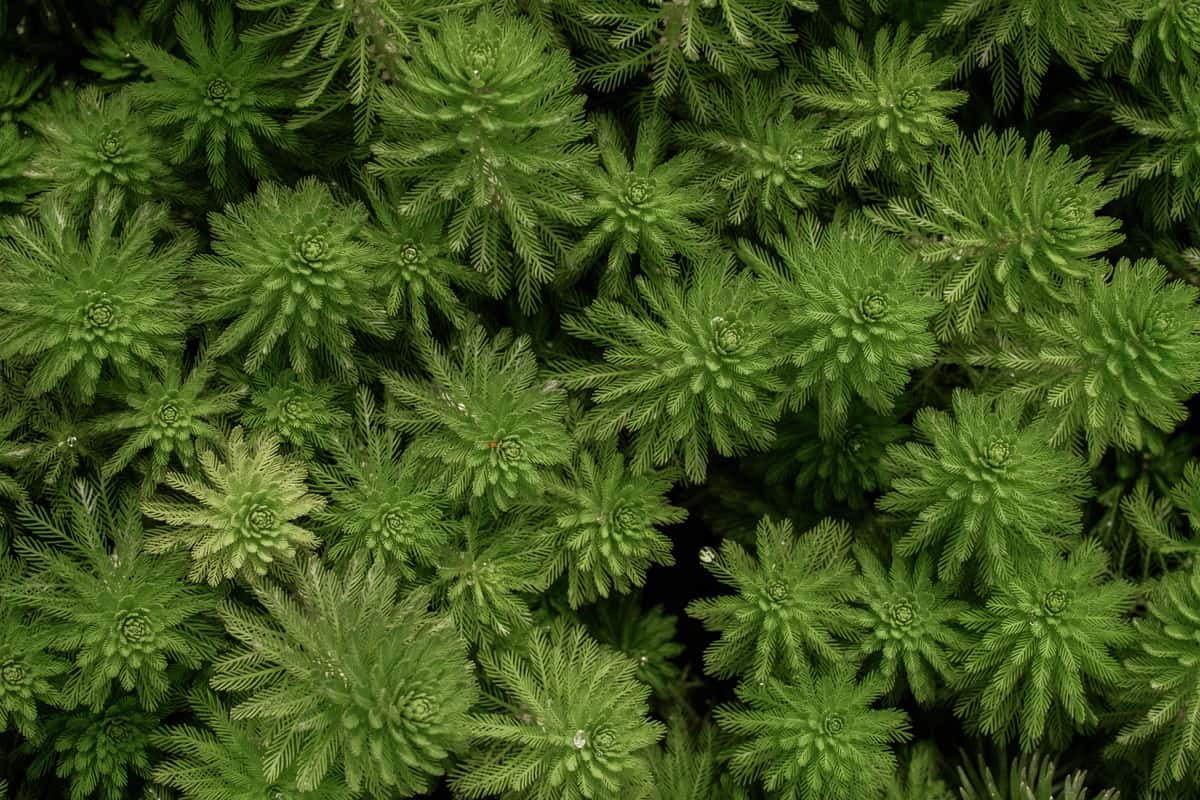
Easy live plants for a beginner tank
Java fern, anubias and hornwort — why these three, how to plant them correctly, and what they will not do.
The best aquarium plant fertilizer
A trace supplement, root tabs for the heavy feeders, and a clear account of what your fish are already fertilizing for free.
The best low-light aquarium plants
What actually grows under a stock kit LED with no CO2, and the easy-looking plant that needs more light than you have.