Stocking guide
The hardiest fish for a first aquarium
Hardy means tolerant of a range of conditions and of the swings a new keeper produces. It does not mean indestructible, and no fish on this page survives an uncycled tank.
Fin & Filter earns a commission when you buy through the links on this page. It costs you nothing and it does not decide what we rank. How we’re funded.
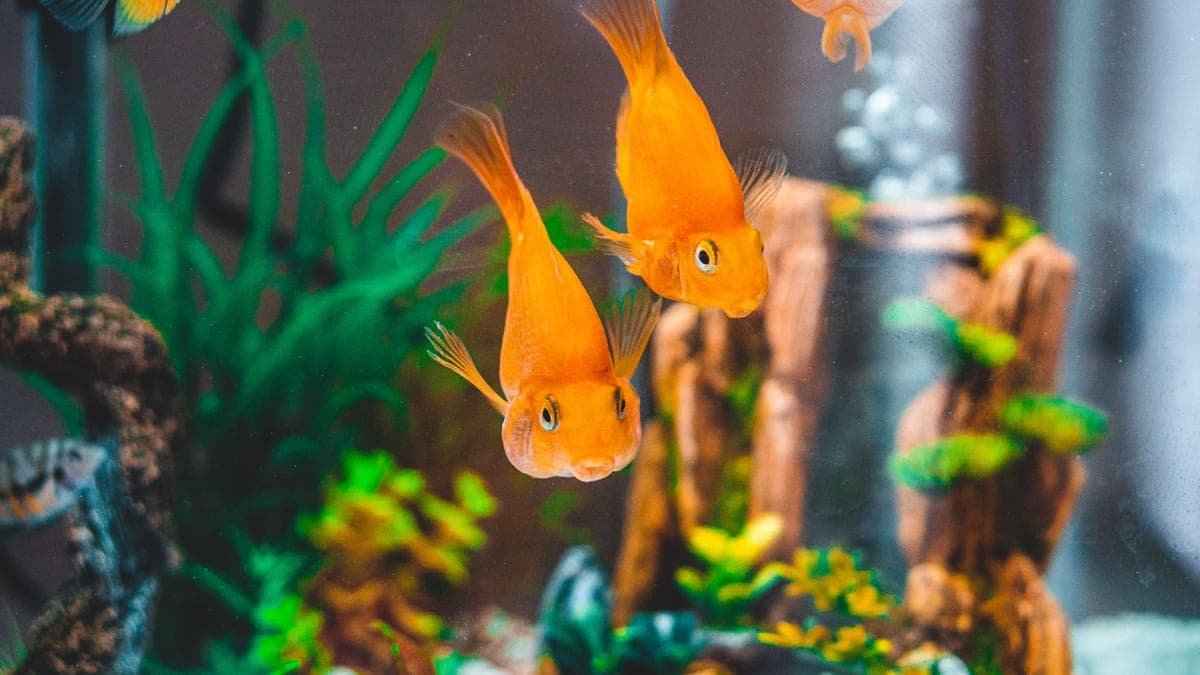
We have not used any of this gear. Every pick below is chosen from published manufacturer specifications and the arithmetic on how we pick, which you can re-run yourself.
For a first community tank the reliable beginner species are small tetras, danios, platies, corydoras kept in groups of six or more, and — on its own — a single betta. Every one of them dies in an uncycled tank, so the species question is genuinely less important than whether you completed the cycle first.
"Hardy" is a useful word with a narrow meaning. It means a species tolerates a range of temperature, pH and hardness, survives the transport and shop conditions most fish endure before you meet them, and forgives the parameter swings a new keeper inevitably produces.
It does not mean the fish will survive ammonia, and this is where the word does damage. Sold a hardy fish, a beginner reasonably infers some resistance to bad water. There is none worth relying on. Ammonia burns gill tissue at well under 1 ppm in every freshwater species, and the EPA notes toxicity rises with pH and temperature — which describes a tropical community tank exactly.
Quick picks
The hardiest fish for a first aquarium
| # | Product | Best for | Price |
|---|---|---|---|
| 1 | No image API Freshwater Master Test Kit The most important purchase on a stocking page, because hardiness is downstream of water quality. | The thing that actually decides whether any fish survives | |
| 2 | No image Various Beginner live plants (java fern, anubias, hornwort) Java fern, anubias and hornwort tolerate low light and no CO2, and they consume nitrate. | Making the tank more forgiving before the fish arrive | |
| 3 | No image Seachem Stability Tops up the bacterial colony at exactly the moment the bioload jumps. | The week you add fish, and every time you add more |
Rows link to the full write-up further down this page. Prices come from the live price layer only; where there is no live figure the button reads “Check price” rather than showing a remembered number.
The species that genuinely suit a first tank
| Fish | Keep them how | Minimum tank we would suggest | Why they work |
|---|---|---|---|
| Small tetras (neon, ember, black neon) | Schools of 6+ | 10 gallons for the smallest, 20 for a proper school | Peaceful, small, tolerant of typical community conditions. Buy from a shop that has held them a while — freshly imported neons are notoriously fragile. |
| Zebra danios | Schools of 6+ | 10 gallons, 20 preferred | About as forgiving of temperature and parameter swings as a community fish gets. Very active, so they want length to swim in. |
| Platies | Groups, ideally more females than males | 10 gallons | Tolerant, colorful, easy to feed. They breed readily, which is either a feature or a stocking problem depending on your plans. |
| Corydoras catfish | Groups of 6+ | 20 gallons for most species | Peaceful bottom dwellers that are much happier in a real group. They need smooth substrate — sharp gravel damages their barbels. |
| A single betta | Alone, or very carefully | 5 gallons, more is easier | Genuinely tolerant, and the fish most often kept badly. Needs a heater and gentle filtration. See best filter for a betta. |
Tank sizes are our conservative suggestions based on adult size and activity level, not manufacturer or trade minimums. Where a species does better with more room, we have said the larger number.
The popular fish that should not be first
- Goldfish. Not because they are delicate — they are extremely hardy — but because they get large, produce a great deal of waste, and are coldwater fish routinely sold for tropical setups. A goldfish in a 10 gallon tank is a welfare problem, not a beginner tank. See what size tank do goldfish need.
- Common plecos. Sold at three inches, and they do not stay that way. They reach a size no beginner tank can house and produce enormous waste.
- Freshly imported neon tetras. The species is fine; the supply chain is hard on them. Ask how long the shop has held them, and buy from a tank that has been settled for a week or more.
- Any cichlid, in most cases. Territorial, often large, frequently sold with no warning about either.
- Bettas with the wrong tankmates. A betta community is possible and is not the default. See can a betta live with other fish.
- Anything you have not looked up the adult size of. The most reliable stocking mistake in the hobby is buying a juvenile.
Pick 1
API Freshwater Master Test Kit
The thing that actually decides whether any fish survives
The number
Reads pH, high-range pH, ammonia, nitrite and nitrate, with over 800 tests per kit. Those middle three are what a new tank lives or dies by.
Putting a test kit at the top of a fish roundup is deliberate, and it is the honest ordering rather than a gimmick.
Every recommendation below is conditional on the water being safe. The hardiest fish in the hobby dies in an uncycled tank; a delicate one thrives in a well-run one. Species choice is a second-order decision, and treating it as the first one is exactly the mistake that fills this site's inbox.
This kit reads ammonia, nitrite and nitrate in fine increments — the three parameters that tell you whether the tank can support anything at all. No starter kit includes it, and the popular six-in-one strips do not test ammonia.
Buy this with the tank, before the fish. Then choose species. That order is the whole recommendation.
| Tests | pH, High Range pH, Ammonia, Nitrite, Nitrate |
|---|---|
| Capacity | Over 800 tests per kit |
| Contents | 7 bottles of test solution, 1 color card, 4 glass tubes with caps, holding tub |
| Type | Liquid reagent |
| What it does not do | Does not test hardness, chlorine or alkalinity. It is slower than strips, the nitrate test needs vigorous shaking of the second bottle and a wait, and the color card is genuinely hard to read between adjacent shades. |
Specs from API Freshwater Master Test Kit, Amazon listing; API Freshwater Aquarium Master Test Kit, PetSmart listing. We have not used this unit.
Pick 2
Various Beginner live plants (java fern, anubias, hornwort)
Making the tank more forgiving before the fish arrive
The number
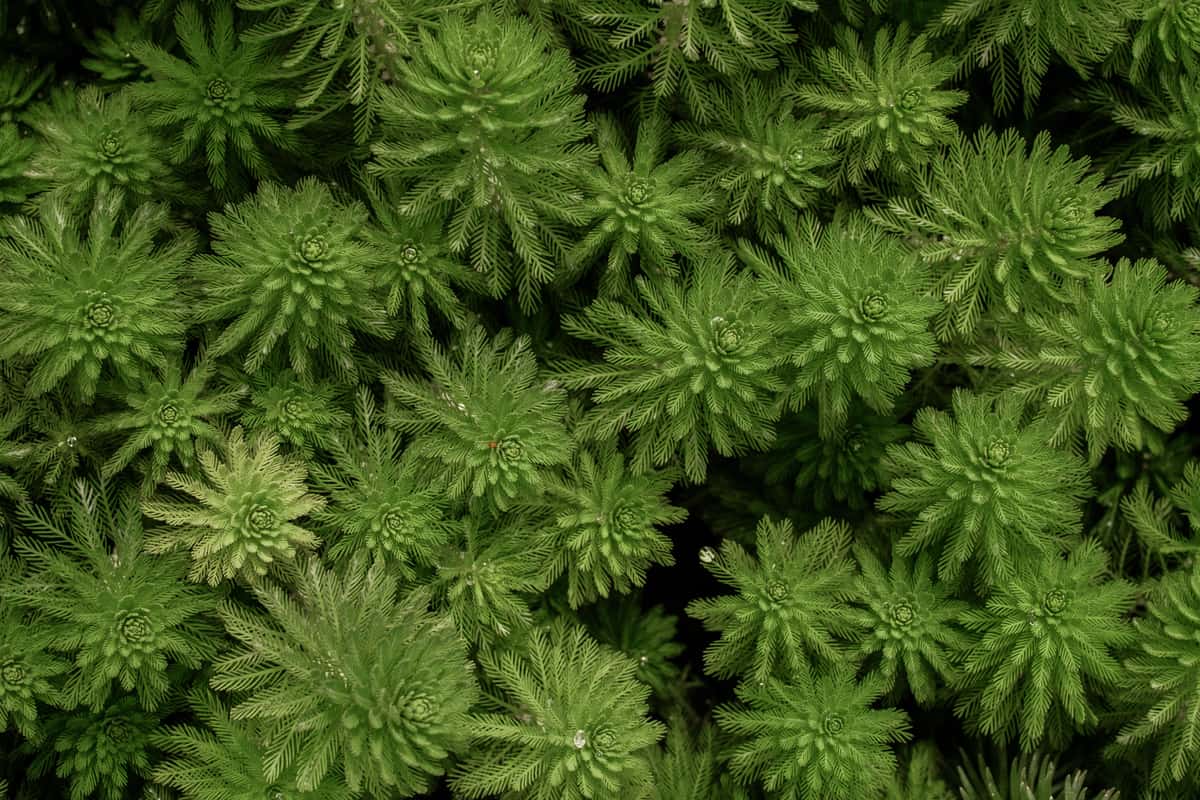
All three tolerate low light, need no injected CO2, and are not demanding root feeders. Java fern and anubias must not be buried — the rhizome rots if pushed into substrate.
Plants belong in a stocking guide because they change what the tank can hold, and they go in before the fish.
These three are the standard beginner set for a good reason: they tolerate the low light a stock kit hood produces, they need no injected CO2, and none of them is a demanding root feeder. Java fern and anubias attach to wood or rock rather than planting into substrate, which means you can move them around while you settle the layout.
The important technique point, and the most common way beginners kill them: **do not bury the rhizome.** The thick horizontal stem that the leaves grow from must sit above the substrate. Push it in and it rots, and the plant dies slowly enough that the cause is never obvious.
They consume nitrate, which genuinely takes some load off your water change schedule, and they give shy fish cover so they behave more naturally. They are not a filter, though — plants will not carry the ammonia load of a stocked tank, and a dying plant adds to it.
One honest warning: live plants can arrive carrying snails, snail eggs or algae. That is a normal risk of buying live goods rather than a defect.
| Why these three | They tolerate low light, need no injected CO2, and are not demanding root feeders |
|---|---|
| Planting note | Java fern and anubias must not be buried; the rhizome rots if you push it into the substrate |
| What it does not do | Live plants can arrive carrying snails, snail eggs or algae. They are also not a filter: plants consume nitrate, but they will not carry the ammonia load of a stocked tank on their own. |
The manufacturer does not publish a full spec sheet for this item, so nothing beyond the figures above is stated. We have not used this unit.
Pick 3
Seachem Stability
The week you add fish, and every time you add more
The number
Seachem's schedule: 1 capful (5 mL) per 10 US gallons on day one, then 1 capful per 20 US gallons daily for seven days.
This is on a stocking page rather than a cycling page because the moment it is most useful is the moment you add fish.
A bacterial colony sizes itself to the waste it has been processing. Add several fish at once to a cycled tank and the load jumps ahead of the colony, producing a small ammonia spike in a tank that was, genuinely, cycled last week. Dosing bacteria alongside a stocking increase hedges against that gap.
Seachem publishes the schedule clearly — a capful per 10 gallons on day one, then a capful per 20 gallons daily for a week — which is the sort of specificity we like to see.
Two honest limits. Seachem describes the contents as a blend of aerobic, anaerobic and facultative bacteria but does not publish species or strains, so you cannot check the claim against the biology. And this is a live product: heat or freezing in transit can kill it with no visible sign.
It is also not Prime, which is a water conditioner and a different job entirely — the two get confused constantly. See [Seachem Prime vs Stability](/water-care/seachem-prime-vs-stability).
| Bacteria | A synergistic blend of aerobic, anaerobic and facultative bacteria |
|---|---|
| Day 1 dose | 1 capful (5 mL) for each 40 L (10 US gallons) |
| Days 2 to 7 | 1 capful for each 80 L (20 US gallons), daily, for 7 days |
| Manufacturer claim | Seachem states it establishes the biofilter and prevents new tank syndrome |
| What it does not do | It is not a water conditioner and it does not detoxify ammonia; that is Prime's job, and the two products are routinely confused. Seachem does not publish the bacterial species or strains. |
Specs from Seachem, Stability product page. We have not used this unit.
Buying well matters as much as choosing well
- Look at the whole shop tank, not the one fish. If anything in it is dead, gasping or covered in spots, do not buy from that tank — whatever is in there is in the water they all share.
- Ask how long they have been in. A shop that answers precisely is worth returning to. Recently arrived fish are still recovering from shipping.
- Watch them eat, if the shop will feed them. A fish that eats readily is a fish that is not sick.
- Buy the whole school at once, not two now and four later. Schooling fish settle better as a group and it is less total disturbance.
- Take a shorter route home than you think you need. Every extra hour in a bag is ammonia accumulating in a very small volume.
- Acclimate on arrival, and quarantine if you have a second tank. See adding fish to a new tank.
How many, and how fast
Slower than you want to, and fewer than the shop will sell you. A cycled tank is cycled for the ammonia load it was fed during cycling, and adding a full stocking at once outruns the colony. Add a few, wait two weeks, test, add a few more.
The arithmetic of how many, and why the inch-per-gallon rule fails, is on how many fish in a 10 gallon tank.
Questions people actually ask
Frequently asked questions
+ What are the hardiest fish for beginners?
+ What is the easiest fish to keep alive?
+ Can hardy fish survive an uncycled tank?
+ How many fish should I start with?
+ Are neon tetras good for beginners?
+ Do I need live plants?
Where the numbers came from
Sources
Read next
Related on Fin & Filter
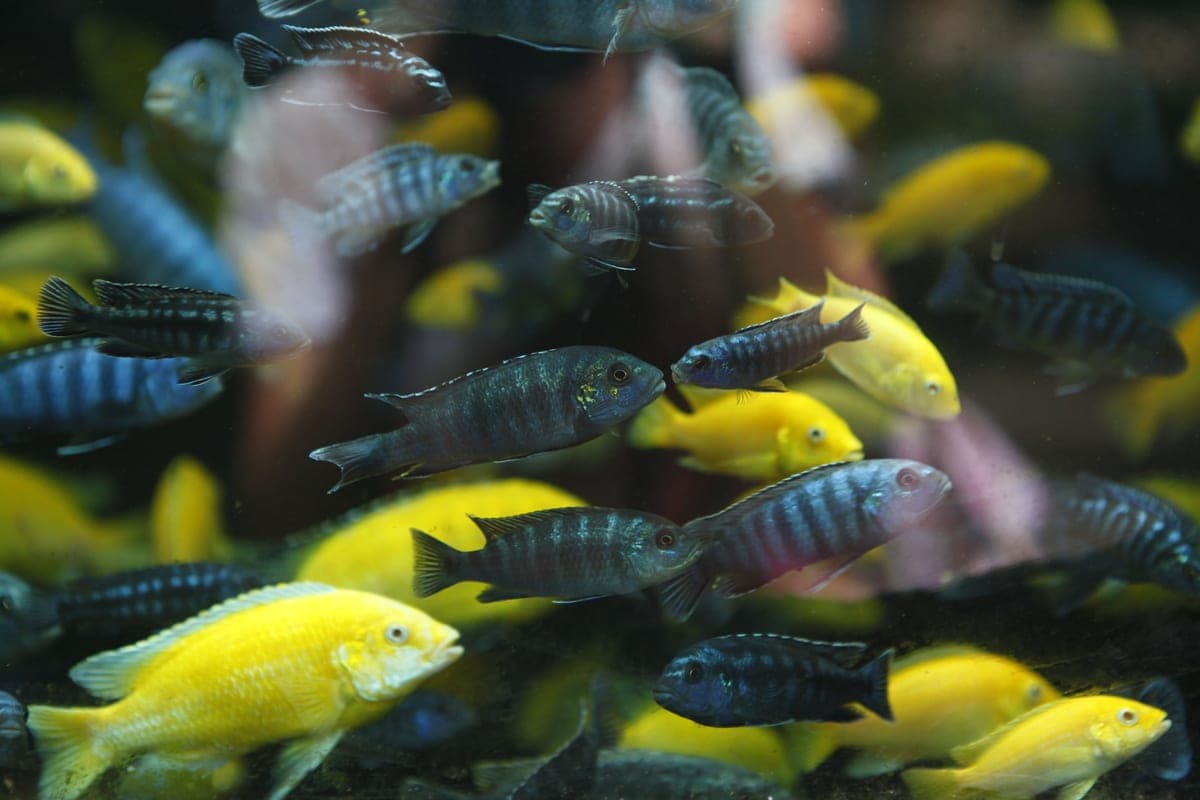
How many fish in a 10 gallon tank?
Why the inch-per-gallon rule fails, the three real constraints, and worked stocking combinations.
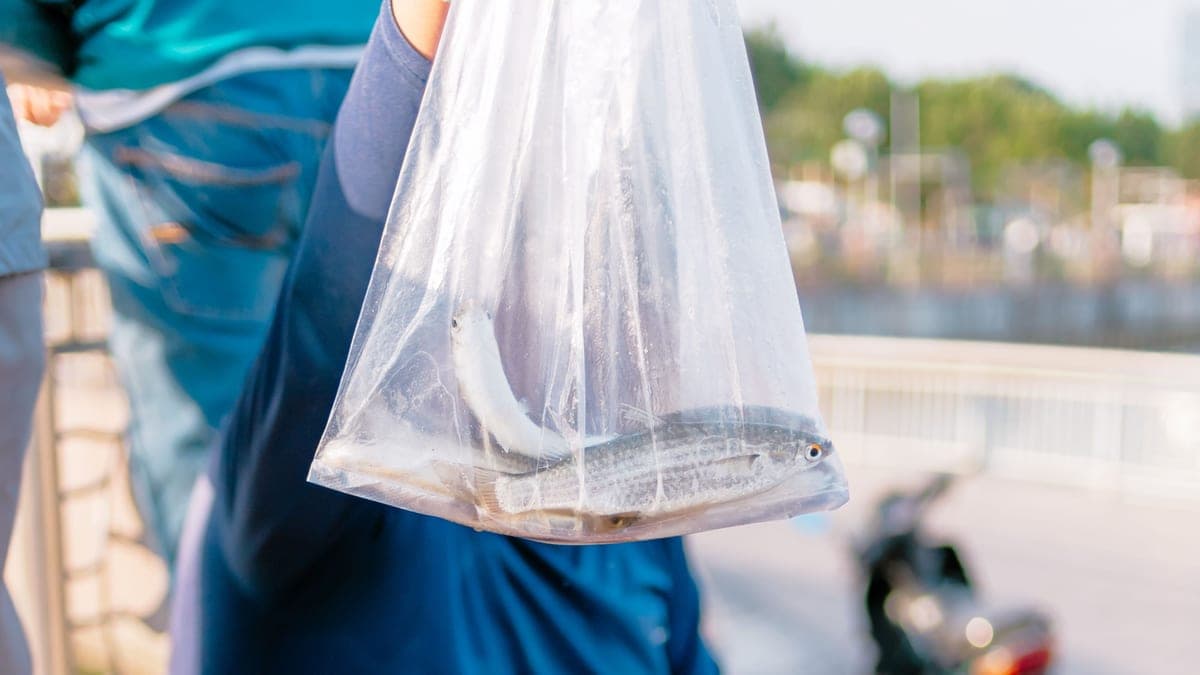
How to add fish to a new tank
Acclimation step by step, how many to add at once, and the two-week testing routine after each addition.
How to cycle a fish tank
What cycling actually is, the fishless method start to finish, and the exact test result that means it is done.