Budgeting
What a first aquarium really costs
The tank is the part people budget for and the smallest part of the bill. Here is the complete list, split into what you pay once and what you pay every month for as long as you keep fish.
Fin & Filter earns a commission when you buy through the links on this page. It costs you nothing and it does not decide what we rank. How we’re funded.
We have not used any of this gear. Every pick below is chosen from published manufacturer specifications and the arithmetic on how we pick, which you can re-run yourself.
A first aquarium costs more than the kit and less than people fear, and the surprise is in the composition rather than the total. The tank, hood, light and filter usually arrive as one discounted box. What that box leaves out is a liquid test kit, a full-size bottle of dechlorinator, substrate, a stand that can carry the weight, and in many cases an adjustable heater. Then a small recurring bill starts: conditioner, food, electricity, filter media if your filter takes cartridges, and replacement test reagents every few years.
We do not print prices on this site. Retail prices move constantly, a number typed into an article is stale within weeks, and a stale number is worse than no number because it anchors your budget to something that was never checked. Where a live price exists it is pulled from the price data layer and shown with the date it was read; everywhere else the button reads “check price”. What this page gives you instead is the thing a price list cannot: the complete list, so nothing arrives as a surprise.
The one-time costs
These you buy once, or once per tank. The first four are genuinely not optional, and the ordering below is the order to spend in if the budget is tight.
| Item | Why it is on the list | Can you skip it? |
|---|---|---|
| A stand or a surface that can carry it | Water weighs about 8.3 pounds per gallon. A 20 gallon tank is roughly 166 pounds of water alone before glass and substrate. | No. And it must be sorted before delivery, not after. |
| Tank, hood and light | Usually one kit. The kit is a genuine discount and it guarantees the parts fit each other. | No, but this is the part you were already budgeting for. |
| A filter sized to the tank | Bundled kit filters are frequently sized for a smaller tank than the one they ship in. See how to size an aquarium filter. | No. Under-filtering is the most common hidden fault in a kit. |
| A liquid test kit | Ammonia and nitrite are invisible. Without a test you cannot tell a cycled tank from an uncycled one. | No. This is the item this site exists to argue for. |
| A heater matched to your room | Wattage follows the lift over your coldest room temperature, not tank size alone. See best aquarium heaters. | Only if you keep unheated species and your room is genuinely stable. |
| Substrate | Gravel or sand is almost never in the kit, and quantity scales with the tank footprint. | Technically yes. A bare-bottom tank is healthy, if plain. |
| A thermometer | A heater dial is a setting, not a reading. | No, and it is one of the smallest costs here. |
| A bucket kept only for the tank | Detergent residue in a household bucket will kill fish. This one genuinely surprises people. | No, but any clean new bucket does. |
| A gravel vacuum or siphon | It is how you do a water change. See best gravel vacuums. | No. |
| Decor, background, ornaments, a second light | Cosmetic. A bare tank with clean water is healthier than a decorated one with an ammonia reading. | Yes. Indefinitely. |
The first four rows are the ones a starter kit does not cover and the ones people are surprised by.
The recurring costs, which are the ones that matter
Nobody abandons the hobby because of the up-front bill. They abandon it because of a running cost that turned out to be larger or more annoying than expected. These are the ones that repeat.
- Dechlorinator. Every water change, forever. The kit's sachet is a sample and will not survive two changes on a 20 gallon tank.
- Food. Small, but it does expire. A tub sized for a fish shop is not a saving on a 10 gallon tank — see the best aquarium fish food.
- Filter media. This is the big one, and it depends entirely on which filter you bought. Cartridge filters bill you every few weeks. Sponge and media-basket filters bill you effectively never.
- Test reagents. A liquid kit runs for hundreds of tests, then needs replacing. Budget for it every few years rather than being surprised by it.
- Electricity. The heater is the meaningful draw and it scales with wattage and with how cold your room is. A filter typically draws only a few watts.
- Water. Real but small on a tank this size. A weekly 25% change on a 20 gallon tank is about five gallons.
Where the money actually gets wasted
Three patterns, in the order we see them most often. None of them is about buying cheap gear; all of them are about buying the wrong thing first.
- Buying a tank too small. This is the expensive one, because it usually gets replaced. A 5 gallon tank punishes every mistake and a lot of people buy a bigger tank within the year, having paid twice. The dilution argument is on 10 gallon vs 20 gallon.
- Buying fish before the tank is cycled. Replacing dead fish is a cost, and it is the one nobody puts in the budget. Cycling is free and takes weeks: how to cycle a fish tank.
- Buying treatments instead of testing. A shelf of bottles bought to fix a symptom that was never diagnosed is the classic beginner spend. Test first; the answer is usually a water change, which is free.
Pick 1
API Freshwater Master Test Kit
The line item nobody budgets for and everybody needs
The number
Over 800 tests per kit, covering pH, high-range pH, ammonia, nitrite and nitrate.
If you take one thing from this page: no starter kit includes a way to measure ammonia, and ammonia is what kills fish in new tanks. This is a mandatory line item, not an upgrade.
It is also, per test, the cheapest thing on the list. Over 800 tests in one box works out at a tiny fraction of a cent per reading, and you will use perhaps two hundred of them in your first year. Judged that way it is the best value purchase in the hobby, which is the opposite of how it feels standing in the shop looking at the price on the box.
The honest downsides are real. Liquid reagents are slower and fiddlier than strips, the nitrate test needs the second bottle shaken hard and then a wait, and the color card is genuinely hard to read between adjacent shades under warm room lighting. It does not test hardness, chlorine or alkalinity.
Reagents do not last forever either. Treat a replacement kit as a cost that recurs every few years rather than a one-time purchase.
| Tests | pH, High Range pH, Ammonia, Nitrite, Nitrate |
|---|---|
| Capacity | Over 800 tests per kit |
| Contents | 7 bottles of test solution, 1 color card, 4 glass tubes with caps, holding tub |
| Type | Liquid reagent |
| What it does not do | Does not test hardness, chlorine or alkalinity. It is slower than strips, the nitrate test needs vigorous shaking of the second bottle and a wait, and the color card is genuinely hard to read between adjacent shades. |
Specs from API Freshwater Master Test Kit, Amazon listing; API Freshwater Aquarium Master Test Kit, PetSmart listing. We have not used this unit.
Pick 2
Seachem Prime
The recurring cost that never stops
The number
Seachem states Prime is concentrated, so a small bottle treats a large volume of tap water relative to its size.
Every water change needs the replacement water conditioned, and you do a water change every week, forever. That makes dechlorinator the definitive recurring cost of fishkeeping, and it is the one the kit disguises by including a sample sachet.
Concentration is what decides the real cost here rather than the sticker. A concentrated conditioner treats far more water per bottle than a dilute one, so comparing bottle prices without comparing dose rates tells you nothing. Read the dosage on the back and work out how many water changes the bottle covers.
What Prime does not do, and this causes genuine confusion: it does not remove ammonia. Seachem states it detoxifies ammonia, nitrite and nitrate, binding them into a less harmful form for up to 48 hours, and your test kit will still read the ammonia afterwards. A reading that has not dropped after dosing is not a broken test kit.
Buy the smallest bottle that covers a few months. Conditioner does not improve with age and a giant bottle sized for a pond is a false economy on a 10 gallon tank.
| Dose | 1 capful (5 mL) for each 200 L (50 US gallons) of new water |
|---|---|
| Removes | Chlorine, chloramine |
| Detoxifies | Ammonia, nitrite and nitrate |
| Binding duration | Seachem states it binds those compounds for up to 48 hours |
| What it does not do | It does not remove ammonia. It binds it into a less toxic form for up to 48 hours, and your test kit will still read the ammonia as present. It is not a bacteria product and it will not cycle a tank. |
Specs from Seachem, Prime product page. We have not used this unit.
Pick 3
Various Air-driven nano sponge filter
The cheapest capacity you can add to any tank
The number
No manufacturer publishes a GPH figure for an air-driven sponge filter, so no turnover number is quoted here. What it contributes is biological surface area.
Filtration is where the running costs quietly diverge. A cartridge filter asks you to buy a cartridge every few weeks forever. A sponge filter asks you to rinse a sponge in old tank water and put it back, which costs nothing at all.
Over a couple of years that difference is one of the largest single line items in this entire guide, and almost nobody accounts for it when comparing filters in the shop. The cheaper filter on the shelf is frequently the more expensive filter to own.
Be honest about what it needs before treating it as the budget option, though. An air pump, airline tubing and a check valve are usually all sold separately, so price the whole set. Without a check valve, a power cut can siphon tank water back down the airline and onto the floor.
It has no chemical stage, and it sits visibly in the tank rather than hiding behind it. That is the trade.
| Flow rating | Not published. Air-driven sponge filters carry no manufacturer GPH figure; output depends on the air pump you pair with it. |
|---|---|
| Filtration | Mechanical and biological. No chemical stage unless you add one. |
| Running cost | No cartridge. The sponge is rinsed in old tank water and reused. |
| What it does not do | No air pump, no airline and no check valve in most listings, so budget for all three. No chemical filtration, and there is no hiding it behind the hardscape. |
Specs from Fluval, AquaClear 20 product page (the hang-on-back flow comparison). We have not used this unit.
Pick 4
Various Aquarium thermometer
A few dollars that prevents an expensive mistake
A heater dial is a setting. A thermometer is a reading. They disagree more often than beginners expect, and the failure that matters is a heater which believes it is holding 78 degrees Fahrenheit while the tank sits several degrees off.
This is a genuinely small purchase that protects the most expensive livestock decision you will make, so it belongs in the mandatory column rather than the nice-to-have one.
Avoid making the stick-on strip that came with your kit your only thermometer. Mounted outside the glass, it reads the glass rather than the water, and a cold room or a sunny window pulls it away from the truth.
| Why it matters | A heater dial is a setting and a thermometer is a reading. They disagree more often than beginners expect. |
|---|---|
| What it does not do | Stick-on strip thermometers read the glass rather than the water, so room temperature pulls them off. |
The manufacturer does not publish a full spec sheet for this item, so nothing beyond the figures above is stated. We have not used this unit.
Skip this
Tetra EasyStrips 6-in-1 Test Strips
The false economy
This is the skip entry and it belongs on a costs page specifically, because it is the purchase people make to save money and it is where saving money costs the most.
Tetra's EasyStrips 6-in-1 tests nitrate, nitrite, water hardness, chlorine, alkalinity and pH. Ammonia is not among them. That is Tetra's own parameter list, not our inference. A beginner buys the cheaper test to watch a cycle and cannot see the one compound doing the damage.
There is a version of this purchase that is fine: strips as a fast weekly recheck on an already-cycled tank, bought in addition to a liquid ammonia test. Bought instead of one, on a new tank, they are worse than nothing because they produce confidence without information.
Per test they are also not especially cheap. The strip tub holds far fewer tests than the liquid kit, so the saving is on the shelf price rather than on the cost of actually testing.
| Tests | Nitrate, nitrite, water hardness, chlorine, alkalinity, pH |
|---|---|
| Does NOT test | Ammonia |
| Read time | 60 seconds after dipping |
| What it does not do | No ammonia test. Ammonia is the compound that kills fish in a new tank, so these strips cannot see the one thing a new fishkeeper buys them to see. Treat them as a fast check on a tank you already know is cycled. |
Specs from Tetra, EasyStrips 6-in-1 product page; Tetra EasyStrips 6-in-1, Chewy listing. We have not used this unit.
The cheapest first tank that actually works
If the budget is genuinely tight, this is the honest minimum, and it is a perfectly good aquarium rather than a compromised one: a modest tank with a lid, a sponge filter with an air pump and check valve, an adjustable heater if your room needs it, a liquid test kit, a bottle of dechlorinator, a bag of gravel, a thermometer, a bucket and a siphon.
That list contains no decor and no branded extras, and it will keep fish alive better than a fully decorated tank bought without a test kit. Everything cosmetic can be added later, one piece at a time, out of the money you are no longer spending on filter cartridges.
Once the list is bought, resist the urge to fill the tank with fish the same day. The hardware is only half of it, and the other half costs nothing but time — start at tanks, kits and gear if you have not chosen a tank yet, or go straight to how to set up a 10 gallon tank if it is already in the room.
Questions people actually ask
Frequently asked questions
+ Is fishkeeping expensive?
+ What do I need to buy besides the aquarium kit?
+ Why does this page not list prices?
+ Is a starter kit cheaper than buying everything separately?
+ What is the cheapest way to keep tropical fish?
Where the numbers came from
Sources
Read next
Related on Fin & Filter

What starter kits leave out
Five omissions, the same across brands, and the one that is actually lethal.
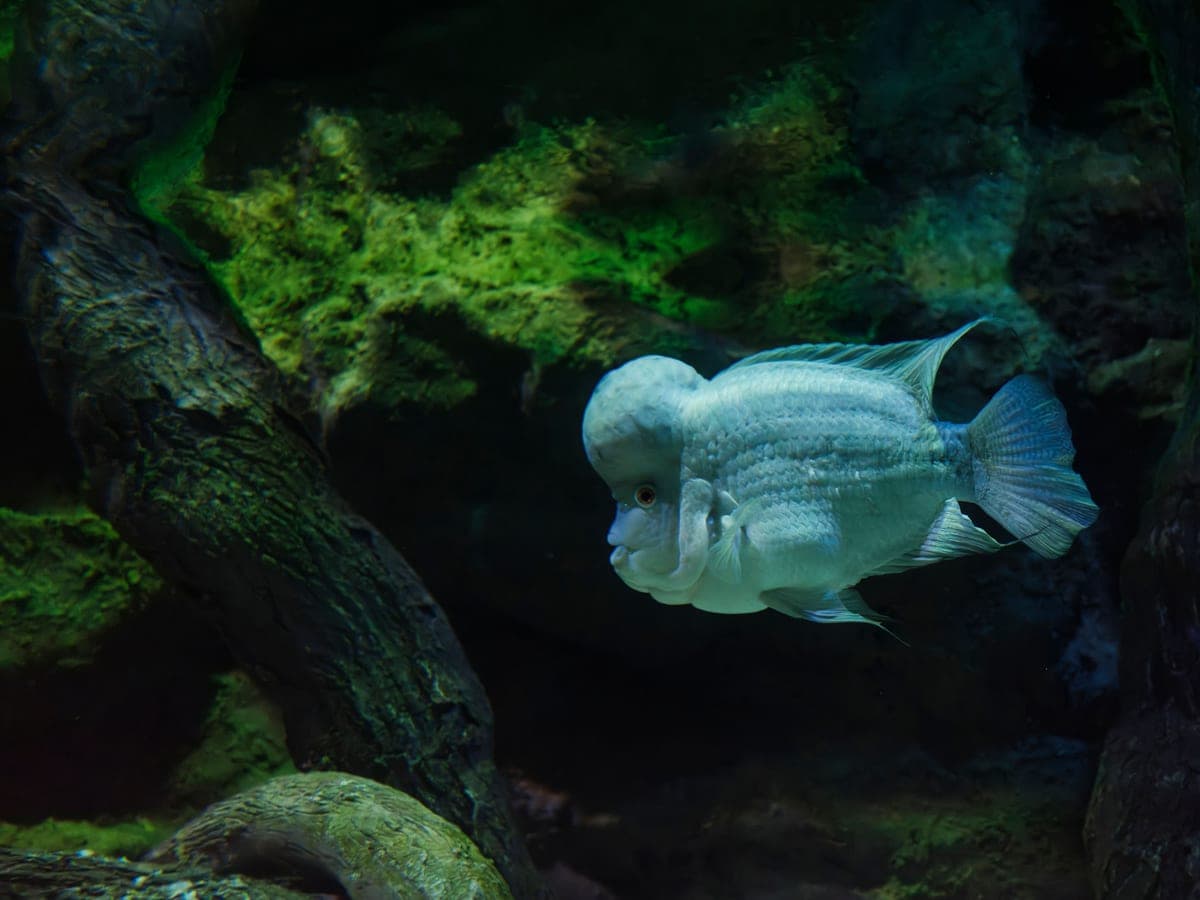
10 gallon vs 20 gallon: which should your first tank be?
Buy the 20 if the space allows. The reason is dilution, and it decides more than any other single choice.
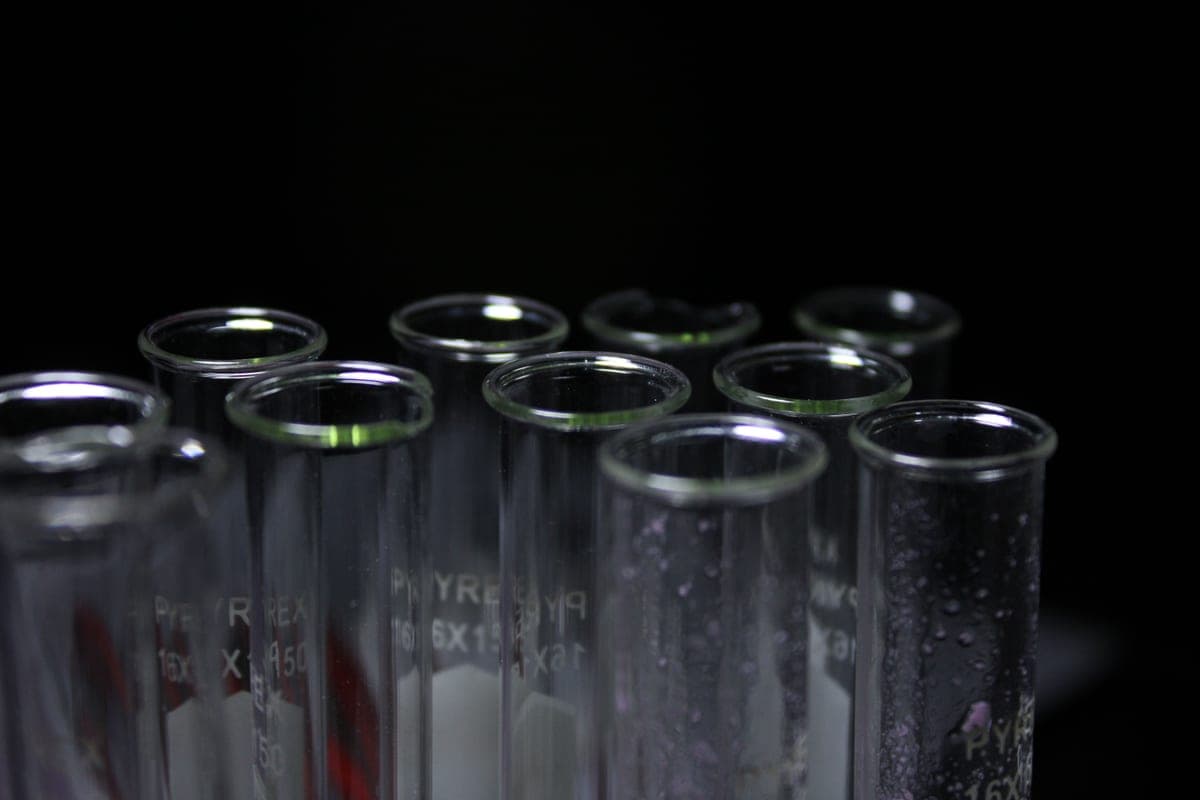
The best aquarium test kits
The kit that reads ammonia, the strips that quietly do not, and why that distinction decides everything.