The gap
What starter kits leave out
The box says complete. Compare the contents against what a tank needs on day one and the same five gaps appear on every kit, in every brand.
Fin & Filter earns a commission when you buy through the links on this page. It costs you nothing and it does not decide what we rank. How we’re funded.

We have not used any of this gear. Every pick below is chosen from published manufacturer specifications and the arithmetic on how we pick, which you can re-run yourself.
Every starter kit we examined omits the same things: a test kit, a usable bottle of dechlorinator, and substrate. Most also omit an adjustable heater, and the thermometer that is included is often a stick-on strip that reads the glass rather than the water. The test kit is the omission that kills fish.
This is not a complaint about any particular manufacturer. It is a consistent pattern across the category, and it exists because a kit is priced to a shelf point and because the missing items are consumables. Knowing the pattern is worth more than knowing any one product.
1. No test kit. This is the one that kills fish.
Not one starter kit we looked at includes any way to measure ammonia. Ammonia is what fish waste becomes, it is acutely toxic, it is completely invisible, and in a new tank there are no bacteria to convert it. A beginner with a new kit and no test kit is running an experiment with no instrumentation.
The failure mode is precise and it is the most common way a first tank ends. Fish go in on day one. Ammonia climbs for a week or two. The fish get lethargic, hang near the surface, stop eating, and die. The water looked perfectly clear the entire time, because it was. That is new tank syndrome, and a test kit is the only thing that makes it visible.
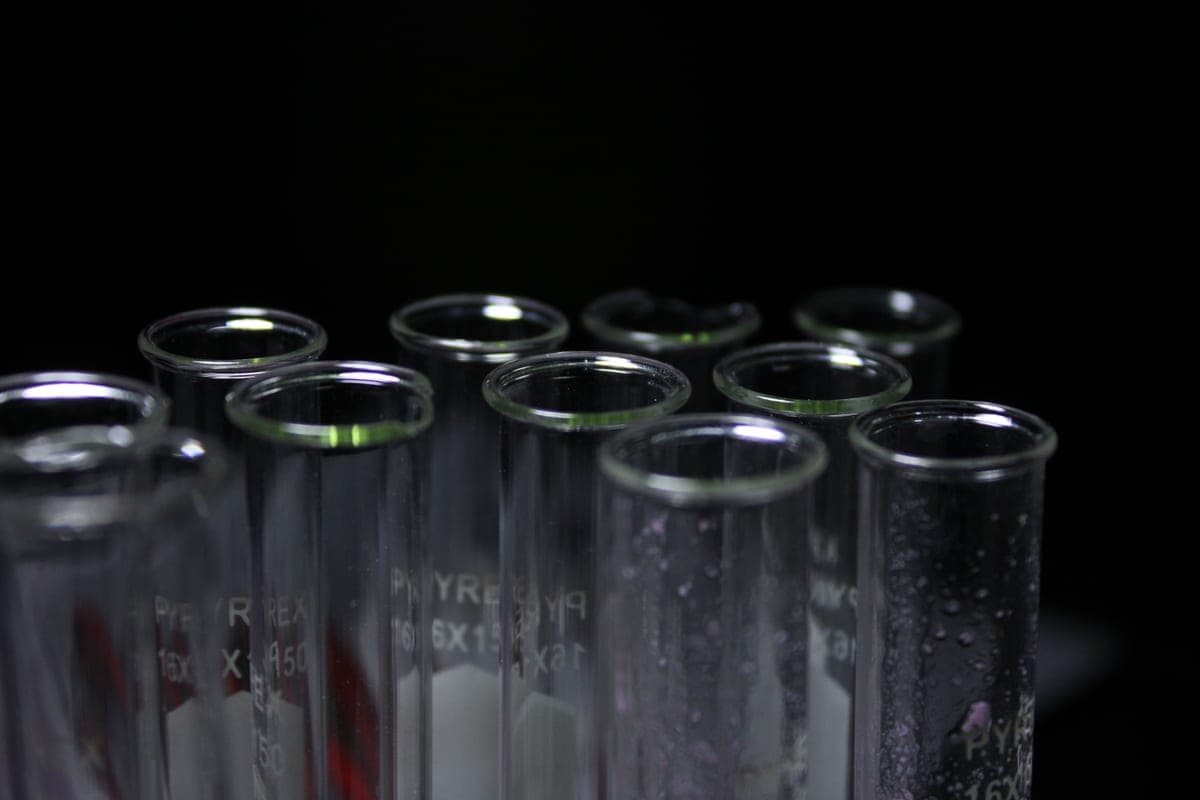
Buy a liquid kit that reads ammonia. Be aware that the common six-in-one strips do not: Tetra's EasyStrips 6-in-1 covers nitrate, nitrite, hardness, chlorine, alkalinity and pH, and ammonia is not on that list. Full comparison on test strips vs liquid test kits; shortlist on best aquarium test kits.
2. A conditioner sachet, not a bottle
Kits include a sample of dechlorinator. Both kits we examined in detail do — Aqueon ships a water conditioner sample, Tetra ships an AquaSafe sample.
A sample gets you through the initial fill. Every water change after that needs conditioning too, and on a 20 gallon tank doing a weekly 25% change you will exhaust the sachet in roughly two changes. Chlorine and chloramine in tap water kill the bacteria you are trying to grow as readily as they irritate fish, so this is not optional.
Buy a full-size bottle at the same time as the tank. Seachem publishes a dose of one capful, 5 mL, per 200 L or 50 US gallons of new water for Prime, which makes a small bottle last a long time on a nano tank. Shortlist on best water conditioners.
3. No substrate
Gravel or sand is essentially never in the box, and the photograph on the front of the box essentially always shows some. It is not purely cosmetic: substrate holds a meaningful share of the tank's bacterial colony and gives plants something to root in.
Rinse it thoroughly before it goes in — far more thoroughly than feels reasonable, until the water running off it is clear. Unrinsed gravel is the single most common cause of a brand-new tank that will not stop looking cloudy, and it sends people looking for a chemical solution to a rinsing problem.
4. The heater is preset, or absent
Kits vary here, which makes it easy to get caught out. Aqueon's 10 gallon kit includes a 50 W preset heater. Tetra's 20 gallon kit includes a 100 W heater. Others include nothing.
Preset means fixed: the heater holds whatever temperature the manufacturer chose and there is no dial. In a warm, stable room that is fine and arguably safer, because there is no setting to get wrong. In a cold room, or a room that drops overnight in winter, you cannot ask it for more heat. The wattage arithmetic, which depends on your room and not just your tank, is on best aquarium heaters.
5. The thermometer reads the glass
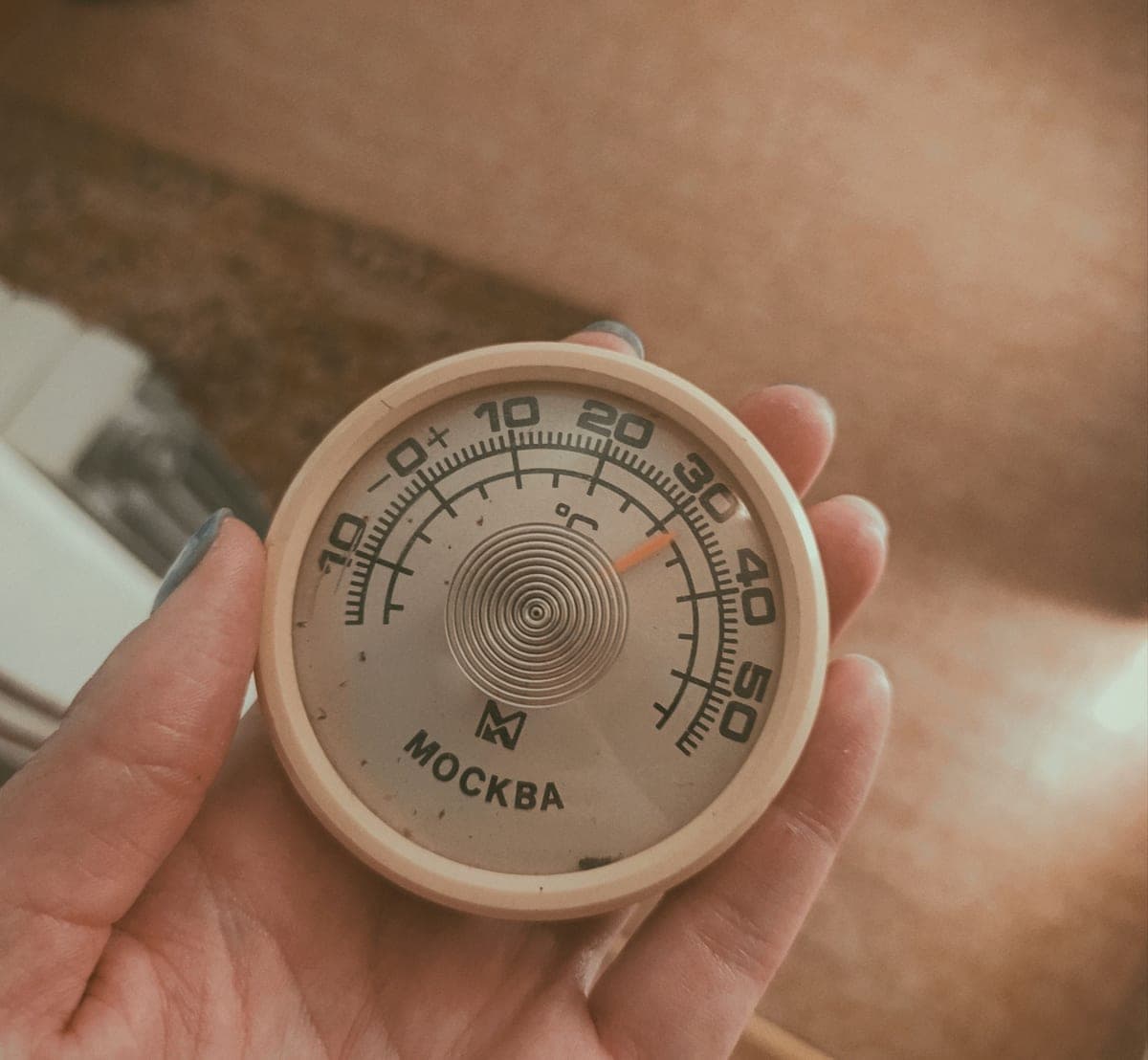
Where a thermometer is included it is frequently a stick-on strip on the outside of the tank. Those read the glass, and the glass is influenced by the room. It will be approximately right and it will be wrong in exactly the situation you care about — a cold room, where the discrepancy between water and glass is largest.
An in-tank thermometer costs very little and gives you an independent reading. That matters because a heater dial is a setting, not a measurement, and the failure you most need to catch is a thermostat that has stopped telling the truth.
The omissions that are fine
Not everything missing from a kit is a problem, and we would rather be specific than alarmist.
- Decor. Genuinely optional. A bare tank with clean water is a healthier tank than a decorated one with an ammonia reading.
- Background. Cosmetic. Fish do not care.
- Air pump. Only needed if you run a sponge filter or an air stone. A hang-on-back filter already breaks the surface, which is what gas exchange requires.
- Plants. Genuinely good for a tank, genuinely not required on day one. See best aquarium plants for beginners.
- A bigger filter. Only if the bundled one fails the arithmetic. Check it against how to size an aquarium filter before assuming.
Quick picks
The three things to buy alongside the kit
| # | Product | Best for | Price |
|---|---|---|---|
| 1 | No image API Freshwater Master Test Kit No kit we examined includes any way to measure ammonia. This is that way. | Omission number one, and the only one that is lethal | |
| 2 | No image Seachem Prime The kit's conditioner is a sample. This is a supply, and it also detoxifies ammonia. | Omission number two: a bottle, not a sachet | |
| 3 | No image Fluval M50 Submersible Heater (50W) A dial, which a preset heater does not give you. | Omission number four: an adjustable heater, where the kit's is preset |
Rows link to the full write-up further down this page. Prices come from the live price layer only; where there is no live figure the button reads “Check price” rather than showing a remembered number.
The complete day-one list
Kit, plus liquid test kit, plus a full-size bottle of dechlorinator, plus substrate, plus an adjustable heater if the kit's is preset and your room is cold. That is a first aquarium. Then set it up with how to set up a 10 gallon tank and cycle it with how to cycle a fish tank before buying a single fish.
Questions people actually ask
Frequently asked questions
+ Why do kits not include a test kit?
+ Can I skip the test kit if I use bottled bacteria?
+ How much extra should I budget beyond the kit?
+ Is the food sample enough to start with?
Where the numbers came from
Sources
- Aqueon LED Aquarium Starter Kit 10 Gallon, Chewy listing (kit contents)
- Tetra, Complete LED Aquarium 20 Gal product page (kit contents)
- Tetra Complete 20 Gallon Aquarium Kit, Amazon listing
- API Freshwater Master Test Kit, Amazon listing
- Tetra, EasyStrips 6-in-1 product page (parameters tested)
- Seachem, Prime product page (dose rate)
Read next
Related on Fin & Filter
The best aquarium test kits
The kit that reads ammonia, the strips that quietly do not, and why that distinction decides everything.
The best aquarium heaters for a first tank
The wattage your room actually needs, worked out, and the heaters that can hold it.

How to size an aquarium filter
Tank gallons times turnover, divided by 0.7. The formula, worked examples, and the table for every common size.